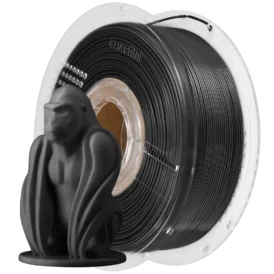
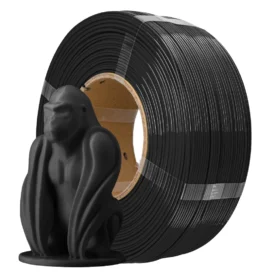
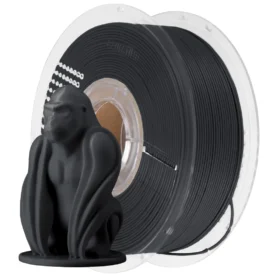
PETG CF – made for stiff and functional prints
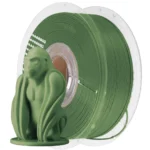
PETG CF combines the toughness, chemical resistance and outdoor usability of PETG with carbon fiber reinforcement for stiffer and more dimensionally stable functional parts. It is made for users who need more rigidity than standard PETG, while still keeping practical printability and lower warping compared to more demanding engineering materials.
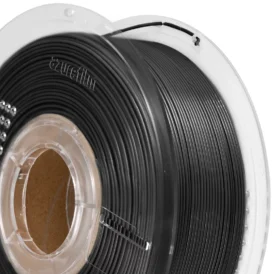
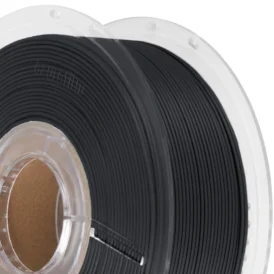
Its carbon fiber content gives prints a professional matte finish that helps reduce visible layer lines and creates a clean technical look.
PETG CF is best for…
Functional brackets & fixtures
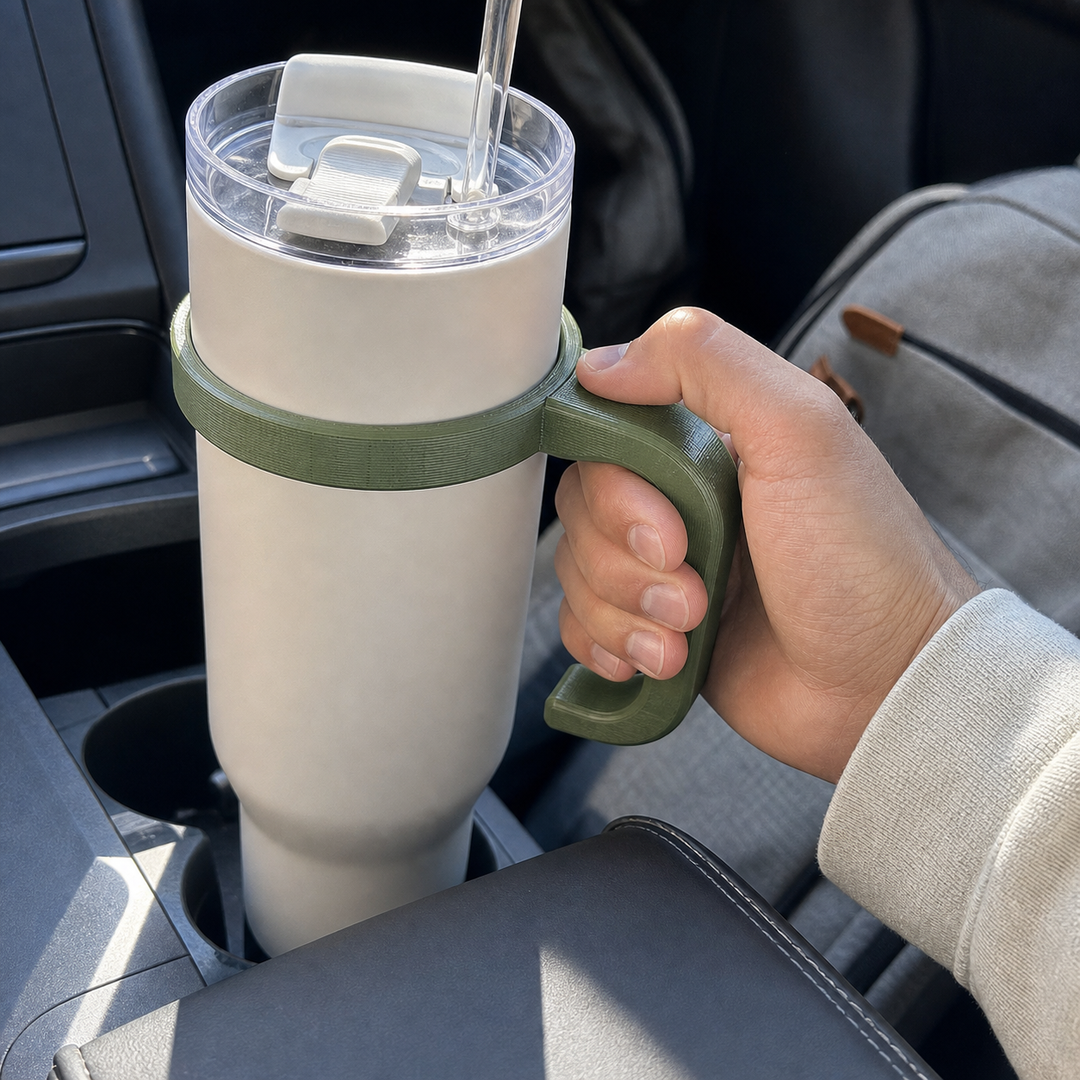
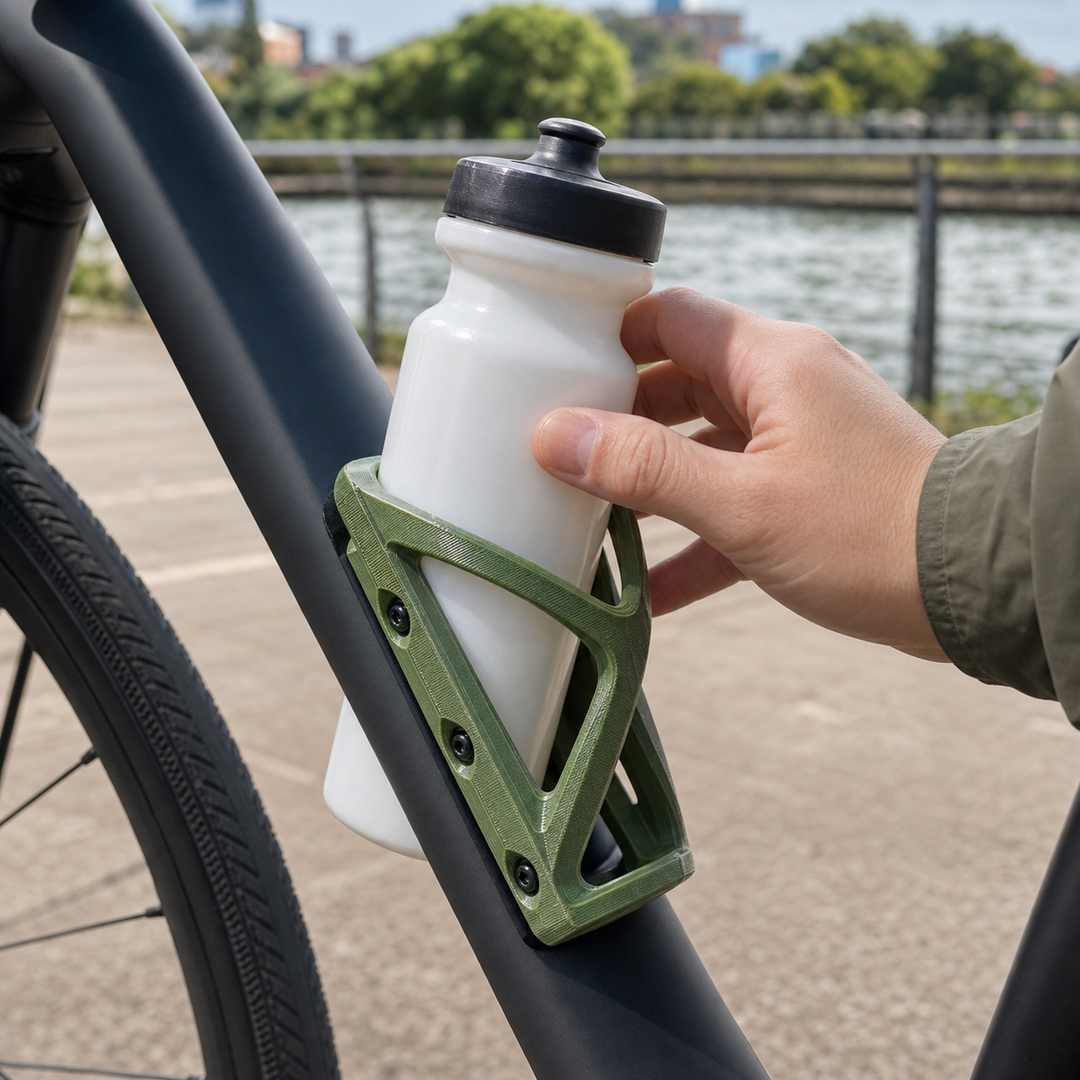
Mounts, holders, machine parts, workshop tools, jigs and practical end-use components
Drone, RC & technical parts
Drone frames, RC accessories, lightweight structural parts and parts that need extra stiffness
Outdoor & chemical-resistant applications
Outdoor components, chemical-resistant fixtures, automotive accessories away from high heat
Professional prototypes
Product samples, engineering prototypes, test parts and models with a clean matte technical finish
Printing recommendations
Here are some of our top printing recommendations to help you get the best results possible.
- Max Printing Speed: ≤ 100 mm/s
- Nozzle temperature: 250 °C
- Bed Temperature: 60 °C
- Chamber Temperature: 40 °C
- Heat Deflection Temperature: 68 °C
- Retraction Length: 0.8 mm
Tips & tricks
- Use a hardened steel nozzle – A 0.6 mm hardened steel nozzle is recommended for abrasive carbon fiber fill.
- 0.2 mm nozzles are not supported – Fiber fill can clog small nozzles.
- Not recommended for AMS/CFS-type systems – Abrasive filled filaments are risky in long multi-material paths.
- Dry thoroughly before printing – Dry at 65 °C for 8 h and store sealed.
- Print in a well-ventilated area – Use ventilation for filled materials and long prints.
- Recommended print speed – Use <100 mm/s for normal H2S-style generic PETG-CF printing.
Any last questions?
Here are some of the most common questions related to PETG CF material. If you need help with anything else, feel free to contact us! We are real people, and we are happy to help.
1. What is PETG CF filament?
PETG CF is a carbon fiber reinforced PETG filament. It combines the toughness, chemical resistance and outdoor usability of PETG with added stiffness, improved dimensional stability and a professional matte surface finish.
2. What is PETG CF best used for?
PETG CF is best used for functional parts that need more stiffness than standard PETG. It is a great choice for brackets, jigs, fixtures, drone and RC parts, outdoor components, chemical-resistant fixtures and professional prototypes.
3. Do I need a special nozzle for PETG CF?
Yes. PETG CF is abrasive because it contains carbon fiber. A hardened steel nozzle is required, while ruby or tungsten carbide nozzles are also suitable. Brass nozzles are not recommended because they can wear quickly.
4. Is PETG CF stronger than regular PETG?
PETG CF is stiffer and more dimensionally stable than standard PETG, which makes it better for rigid functional parts. However, it is also less flexible and more brittle than regular PETG, so it is best used when stiffness and shape stability are more important than ductility.
5. Is PETG CF easy to print?
PETG CF is easier to print than many advanced carbon fiber materials, such as PA-CF or PC-CF, but it still needs the right setup. For best results, use a hardened nozzle, dry the filament before printing and follow the recommended temperature, cooling and bed adhesion settings.
6. Does PETG CF need an enclosure?
An enclosure is not required for most PETG CF prints. It can be helpful for larger parts or drafty environments, but PETG CF generally has lower warping than more demanding materials such as ABS CF.
7. Why does PETG CF have a matte finish?
The carbon fiber reinforcement gives PETG CF a more professional matte surface. This finish can help reduce the visibility of layer lines and gives functional parts a clean, technical look.
8. Is PETG CF suitable for outdoor use?
Yes, PETG CF is suitable for many outdoor and functional applications thanks to PETG’s chemical resistance and outdoor usability. However, it should not be used as a replacement for high-temperature engineering materials in parts exposed to extreme heat or heavy structural loads.








 New
New





 In stock