




My Cart (0)
Table of Contents


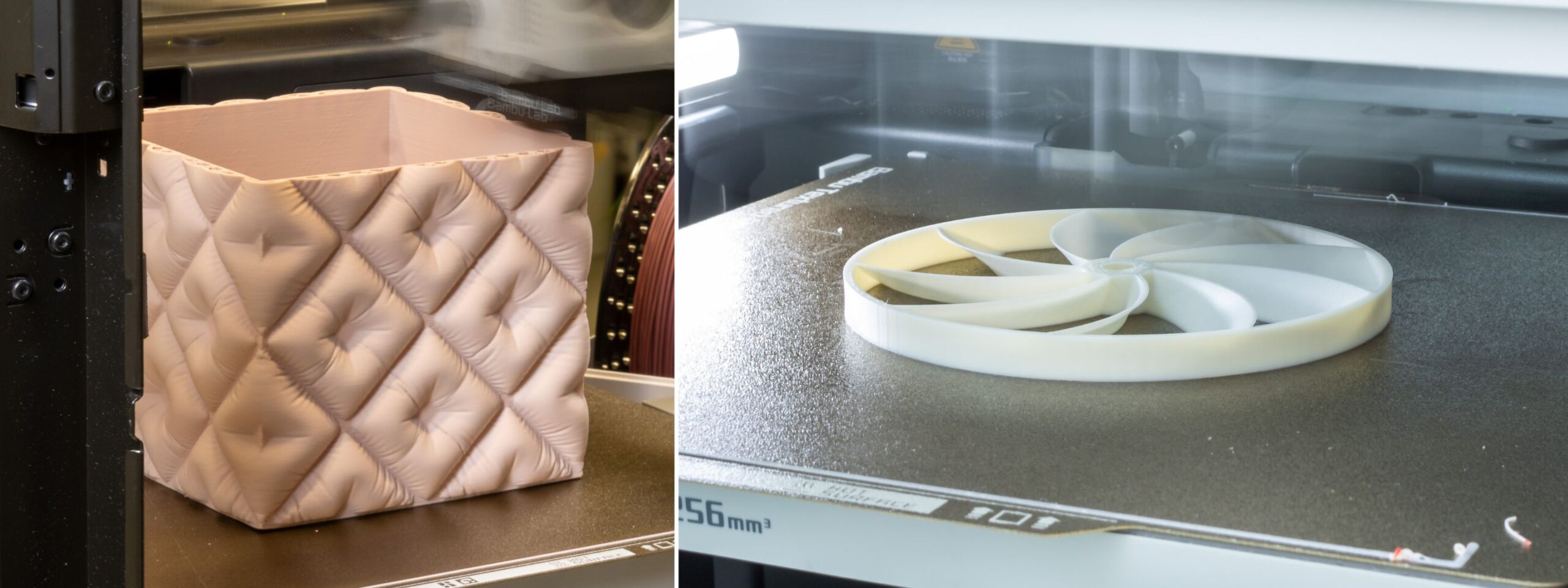
Choosing the right filament is one of the most important decisions in 3D printing. The material you select directly affects printability, durability, appearance, and long-term performance.
When comparing PLA and ABS, it’s important to understand that these two materials were not designed for the same type of applications. PLA is known for its ease of use and aesthetic quality, while ABS is valued for its strength and functional durability.
In this article, we’ll explore the key differences between PLA and ABS, explain their properties, and help you determine which material is best suited for your specific project.
PLA Filament
Definition and composition of PLA filament
PLA (Polylactic Acid) is a biodegradable thermoplastic derived from renewable resources such as corn starch or sugarcane. Unlike many traditional plastics, PLA is plant-based, which makes it a more environmentally conscious option.
Due to its low printing temperature and minimal warping, PLA has become one of the most widely used filaments in desktop 3D printing. It is especially popular among beginners and hobbyists because it prints reliably on most open-frame printers without requiring advanced settings.
General properties of PLA
PLA prints at relatively low temperatures, typically between 180°C and 220°C. In many cases, it does not require a heated bed, although a mildly heated surface can improve adhesion.
The material is rigid and holds its shape well, which makes it excellent for detailed models and visual prototypes. However, it begins to soften at temperatures around 55–60°C, meaning it is not suitable for high-heat environments.
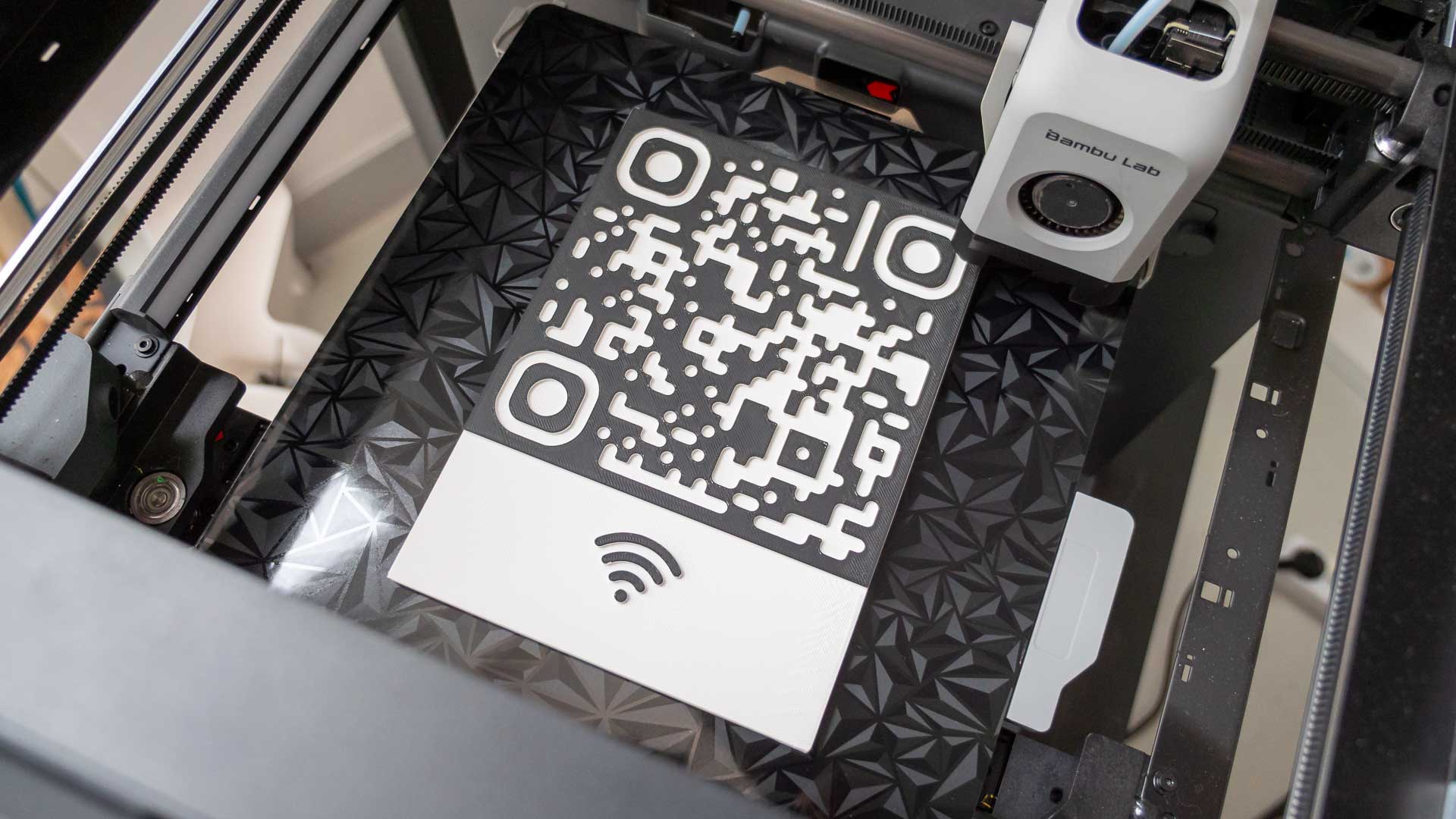
PLA produces minimal odor during printing and is generally considered safer and more comfortable to use in indoor settings.
Advantages of PLA filament
One of the biggest advantages of PLA is how easy it is to print. It warps very little, adheres well to the build surface, and delivers consistent results even on basic printers.
PLA also offers excellent surface finish and sharp detail, making it ideal for decorative objects, prototypes, figurines, and display models.
Because it is derived from renewable resources and can biodegrade under industrial conditions, PLA is often seen as a more environmentally friendly alternative to petroleum-based plastics.
Limitations and drawbacks of PLA
Despite its ease of use, PLA has some limitations. It is relatively brittle compared to more engineering-focused materials, which means it can crack under repeated stress or impact.
Its low heat resistance also limits its functionality. Objects printed in PLA may deform if exposed to high temperatures, such as inside a car on a hot day.
For applications requiring mechanical strength, flexibility, or durability, PLA may not be the best choice.
ABS Filament
Definition and composition of ABS filament
ABS (Acrylonitrile Butadiene Styrene) is a petroleum-based thermoplastic known for its strength, toughness, and impact resistance. It has long been used in industrial applications, including automotive parts, protective housings, and consumer products.
In the 3D printing world, ABS is considered a functional material. It is commonly used for parts that need to withstand mechanical stress, repeated use, or higher temperatures.
However, ABS requires more controlled printing conditions compared to PLA.
General properties of ABS
ABS typically prints at temperatures between 220°C and 250°C and almost always requires a heated bed, usually set between 80°C and 110°C.
Unlike PLA, ABS tends to shrink as it cools, which can cause warping or layer separation if the printing environment is not stable. For this reason, enclosed printers are strongly recommended when working with ABS.
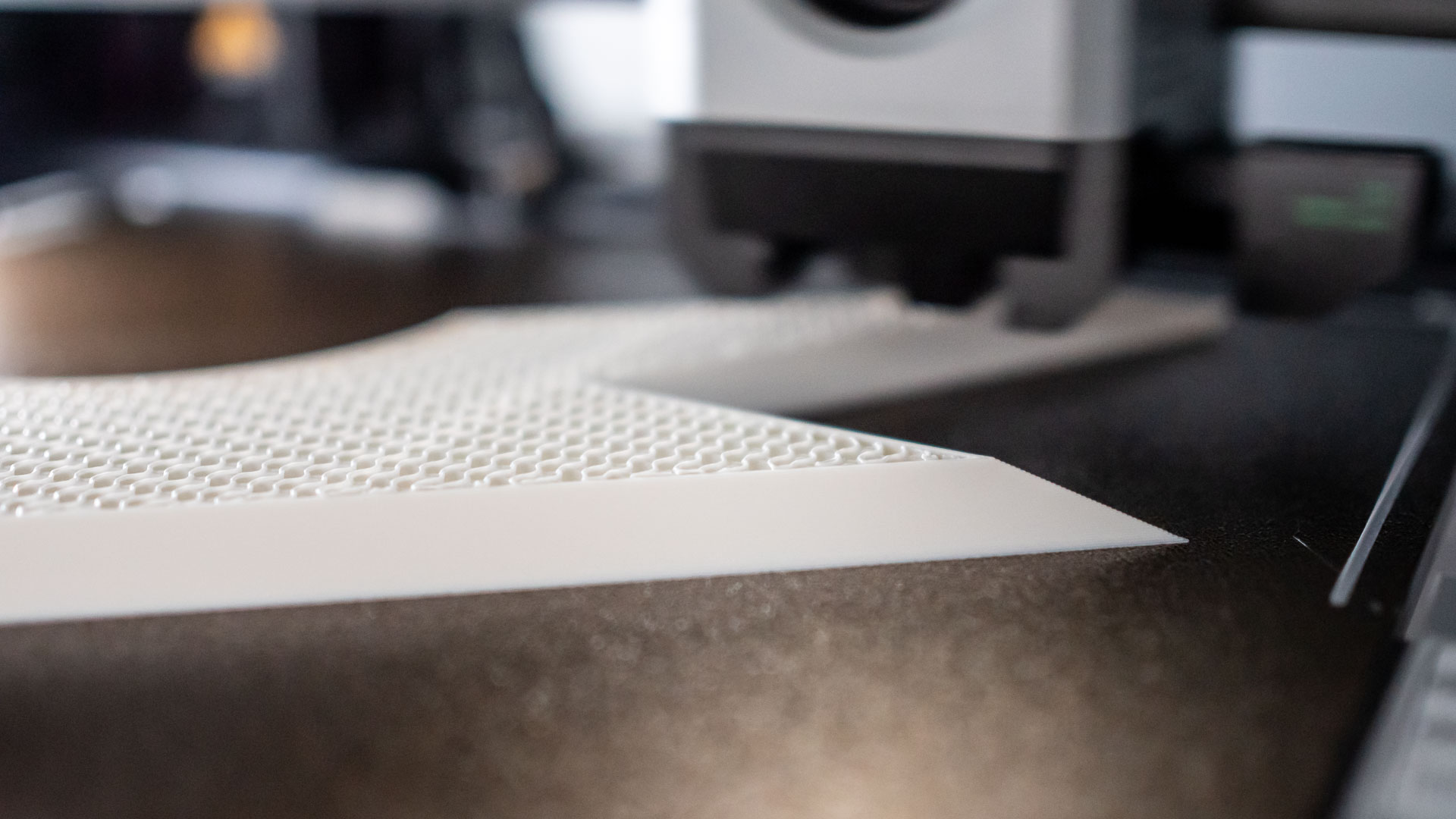
ABS can withstand higher temperatures than PLA and maintains structural integrity in warmer environments. It also offers greater impact resistance and flexibility.
Advantages of ABS filament
ABS is significantly tougher than PLA. It can handle mechanical stress, bending, and impact much better, making it suitable for functional prototypes and end-use parts.
Another key advantage of ABS is its resistance to heat. Printed parts are less likely to deform under elevated temperatures.
ABS can also be post-processed using acetone vapor smoothing, which allows users to create a smooth, glossy surface finish and seal visible layer lines.
Limitations and drawbacks of ABS
Printing with ABS is more demanding. The material is prone to warping, especially on large prints, and requires stable temperature conditions to prevent cracking.
ABS also emits stronger fumes during printing, which means proper ventilation is necessary.
For beginners or users with open-frame printers, ABS can present challenges that PLA does not.
PLA vs ABS: Key differences
Although both PLA and ABS are widely used in 3D printing, they serve very different purposes.
Ease of printing
PLA is considerably easier to print. It requires lower temperatures, produces minimal warping, and performs well even without a heated bed.
ABS, on the other hand, requires higher extrusion temperatures, a heated bed, and ideally an enclosed printer to prevent warping and layer separation.
Mechanical strength
ABS is stronger and more impact-resistant than PLA. It is better suited for functional parts that must endure stress or repeated use.
PLA is more rigid but also more brittle, making it better suited for visual models rather than load-bearing components.
Heat resistance
ABS performs significantly better in high-temperature environments. PLA softens relatively quickly when exposed to heat, limiting its use in functional or outdoor applications.
Surface finish and detail
PLA generally delivers sharper details and a smoother finish directly off the printer.
ABS may require additional tuning and post-processing to achieve a similar aesthetic result.
Environmental considerations
PLA is derived from renewable resources and can biodegrade under industrial composting conditions.
ABS is petroleum-based and not biodegradable, but it offers greater durability for long-term functional use.
Choosing between PLA and ABS
The decision between PLA and ABS should not be based on which material is “better,” but rather on what your project requires.
When to use PLA
PLA is ideal for decorative objects, visual prototypes, educational projects, and beginner-friendly printing. If ease of use and surface quality are your priorities, PLA is often the best choice.
When to use ABS
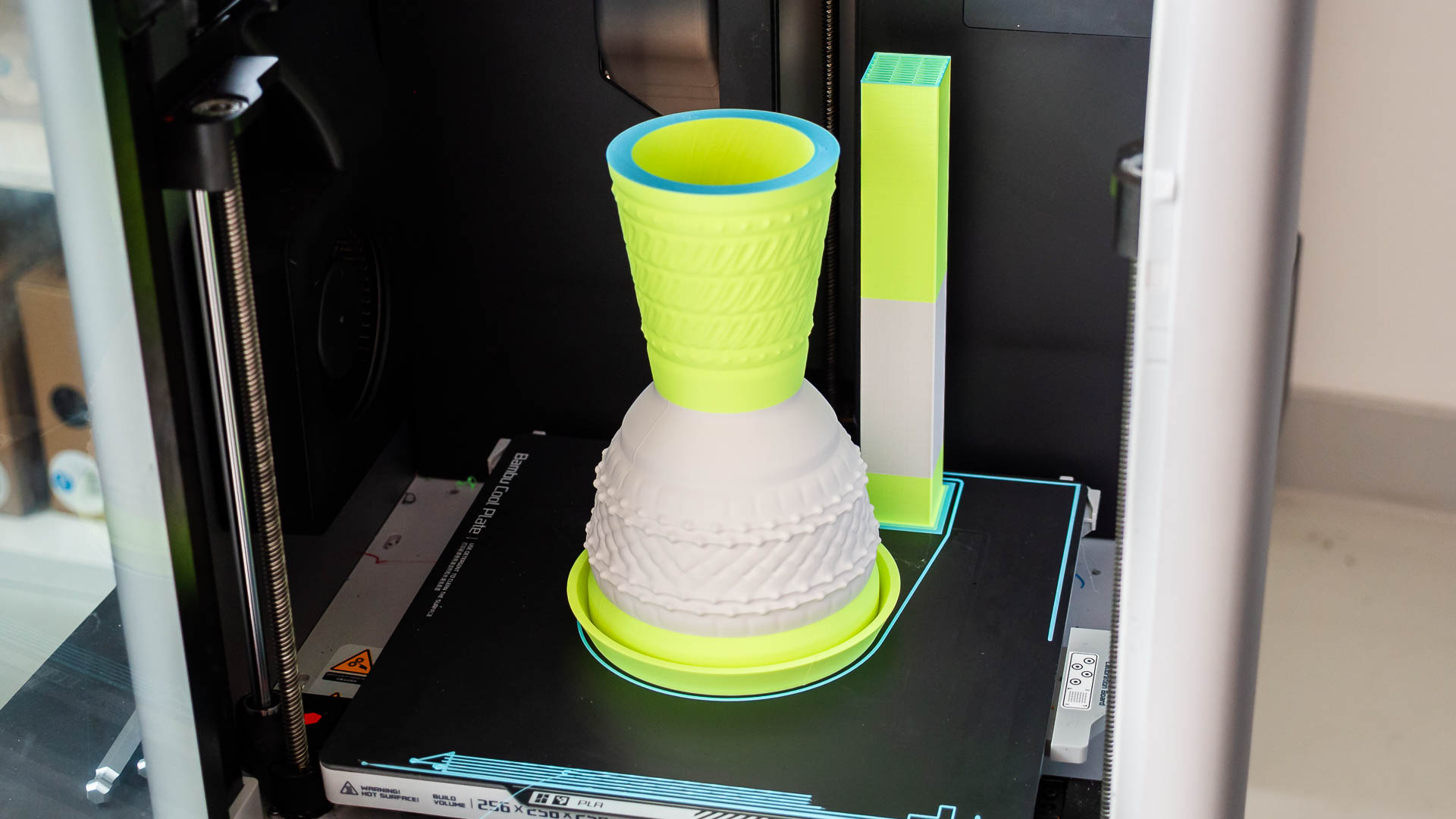
ABS is better suited for functional parts, mechanical components, and applications that require impact resistance or higher heat tolerance. If durability and performance matter more than ease of printing, ABS is the stronger option.
Frequently asked questions
Is ABS stronger than PLA?
Yes, ABS generally offers better impact resistance and durability, making it more suitable for functional parts.
Is PLA better for beginners?
Yes. PLA is easier to print, requires fewer adjustments, and performs well on most standard 3D printers.
Can I print ABS on an open-frame printer?
It is possible, but not recommended. ABS benefits greatly from an enclosed printing environment to reduce warping and cracking.
Share


 Previous post

