






My Cart (0)
Table of Contents


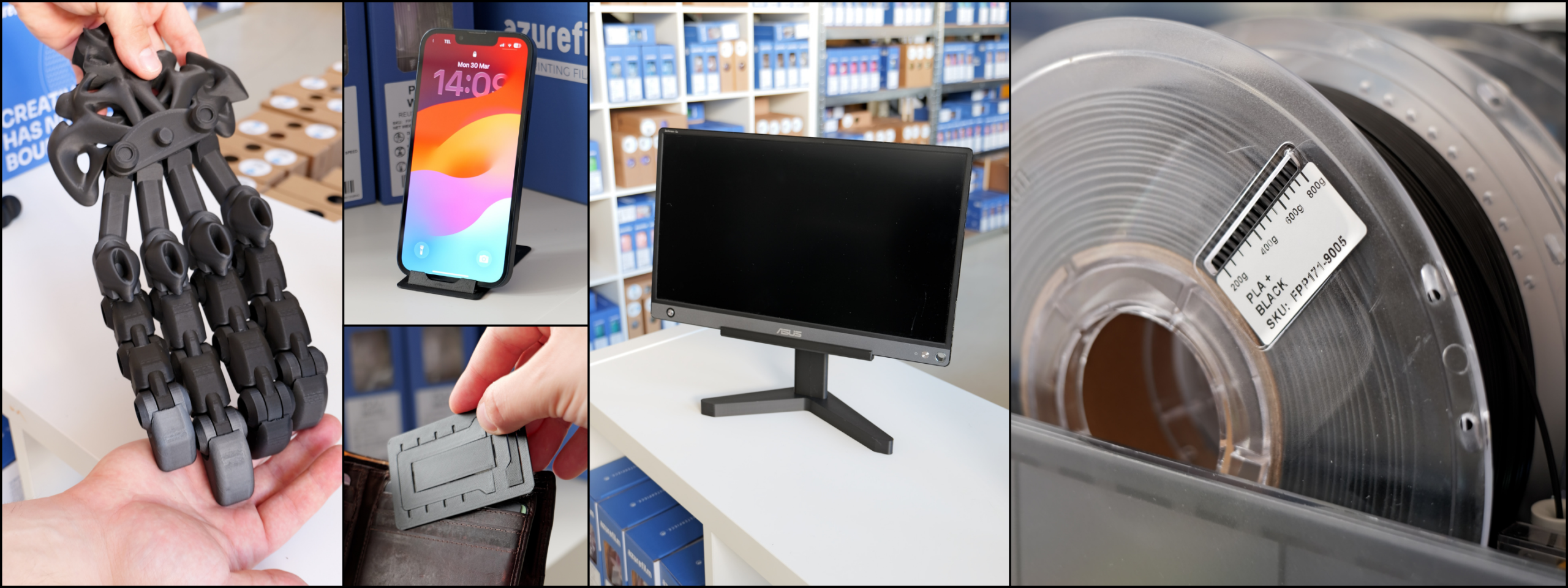
PLA has been the go-to material in 3D printing for years. It’s easy to use, reliable, and produces clean results, which is why most people start with it.
But as 3D printing has evolved, so have expectations.
Users don’t just want prints that look good. They want parts that can handle real use — parts that don’t crack easily, don’t feel fragile, and last longer over time.
That’s exactly where PLA+ comes in. PLA+ is not a completely different material, but rather an improved version of PLA, designed to solve its biggest limitation: brittleness.
In this guide, we’ll take a closer look at what PLA+ actually is, how it behaves, why it performs better, and when it makes more sense than standard PLA.
What is PLA+ material?
PLA+ (PLA Plus) is a modified version of standard PLA filament.
It is created by enhancing the base PLA formula with additional materials or process adjustments that improve its mechanical performance, especially strength, toughness, and durability.
The idea behind PLA+ is simple:
Keep the ease of printing PLA is known for, but make the final parts stronger and more reliable.
Unlike standard PLA, which can feel brittle and snap under stress, PLA+ is designed to handle real-world use more effectively.
How PLA+ behaves in real-world use
The biggest difference between PLA and PLA+ is not always visible right after printing — it becomes obvious when the part is actually used.
Standard PLA tends to be rigid but brittle. If you apply enough force, it can crack suddenly.
PLA+ behaves differently. It has a slightly more forgiving structure, which means it can absorb stress instead of failing instantly. This makes parts feel more solid, more durable, and more “usable” in everyday situations.
In practice, this means:
- Parts are less likely to crack during assembly
- Edges are more resistant to chipping
- Components can handle light mechanical stress
- Prints feel more robust in hand
This is why many users switch to PLA+ after gaining some experience. It simply performs better in real use.
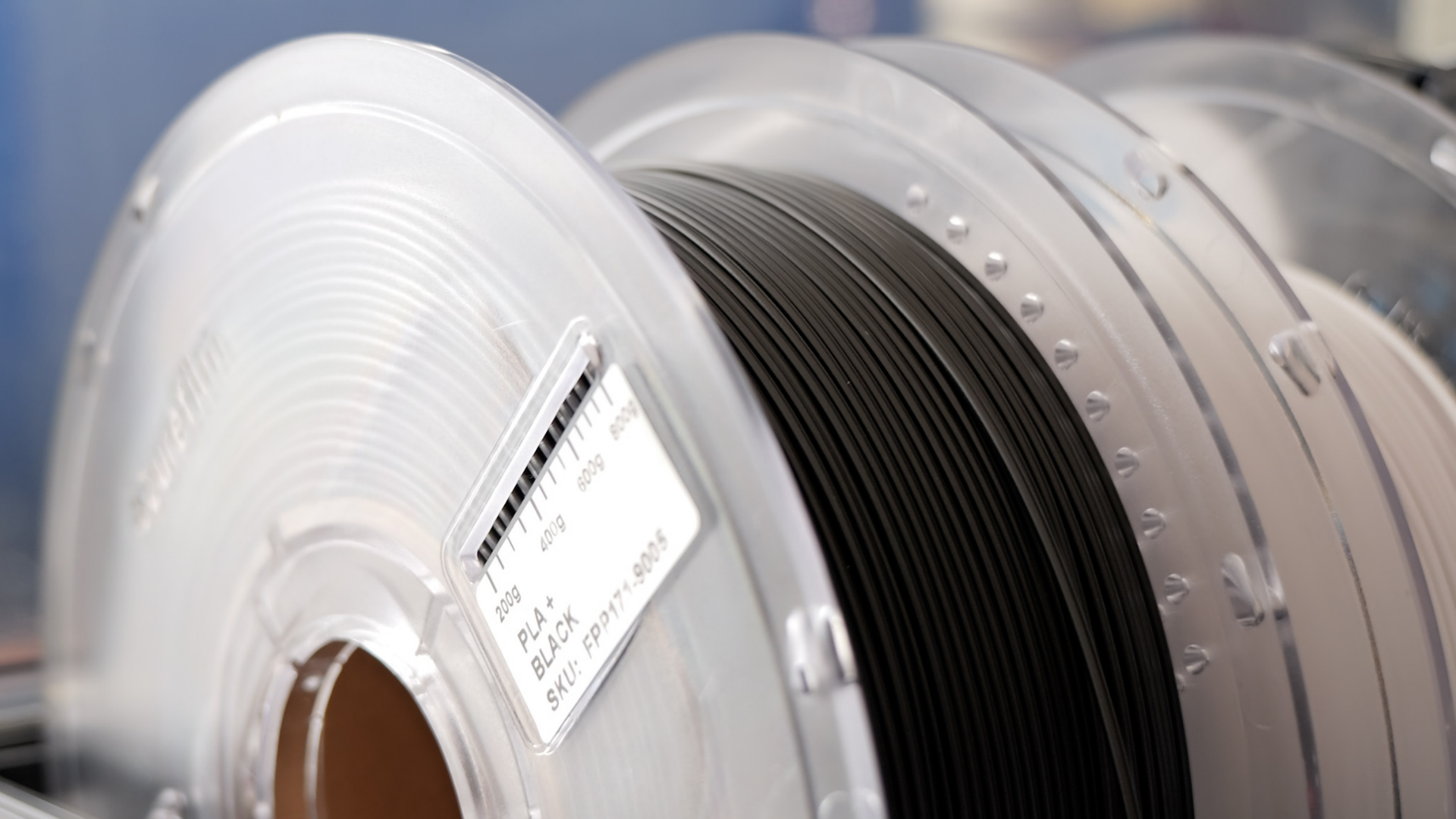
Key properties of PLA+ filament
PLA+ is designed to improve the mechanical behavior of PLA while maintaining its simplicity. It keeps the strengths of PLA, but reduces its weaknesses.
What makes PLA+ different?
PLA+ typically offers:
- Higher impact resistance
- Improved layer adhesion
- Greater durability over time
- Reduced brittleness
- Slightly increased flexibility
- Consistent and reliable extrusion
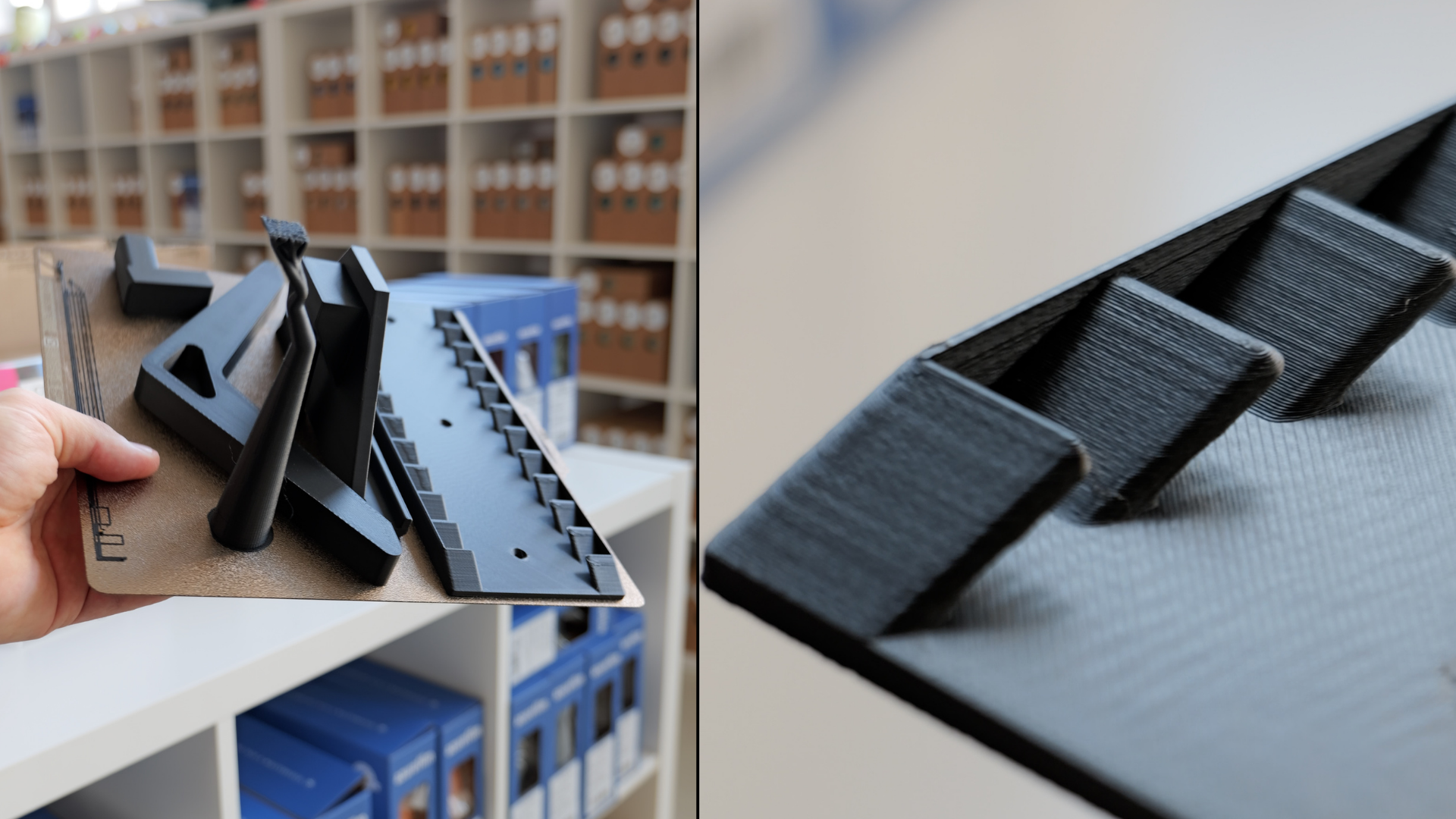
At the same time, it still provides:
- Easy printing
- Low warping
- Clean surface finish
- Compatibility with most 3D printers
In other words, PLA+ keeps the good and fixes the bad.
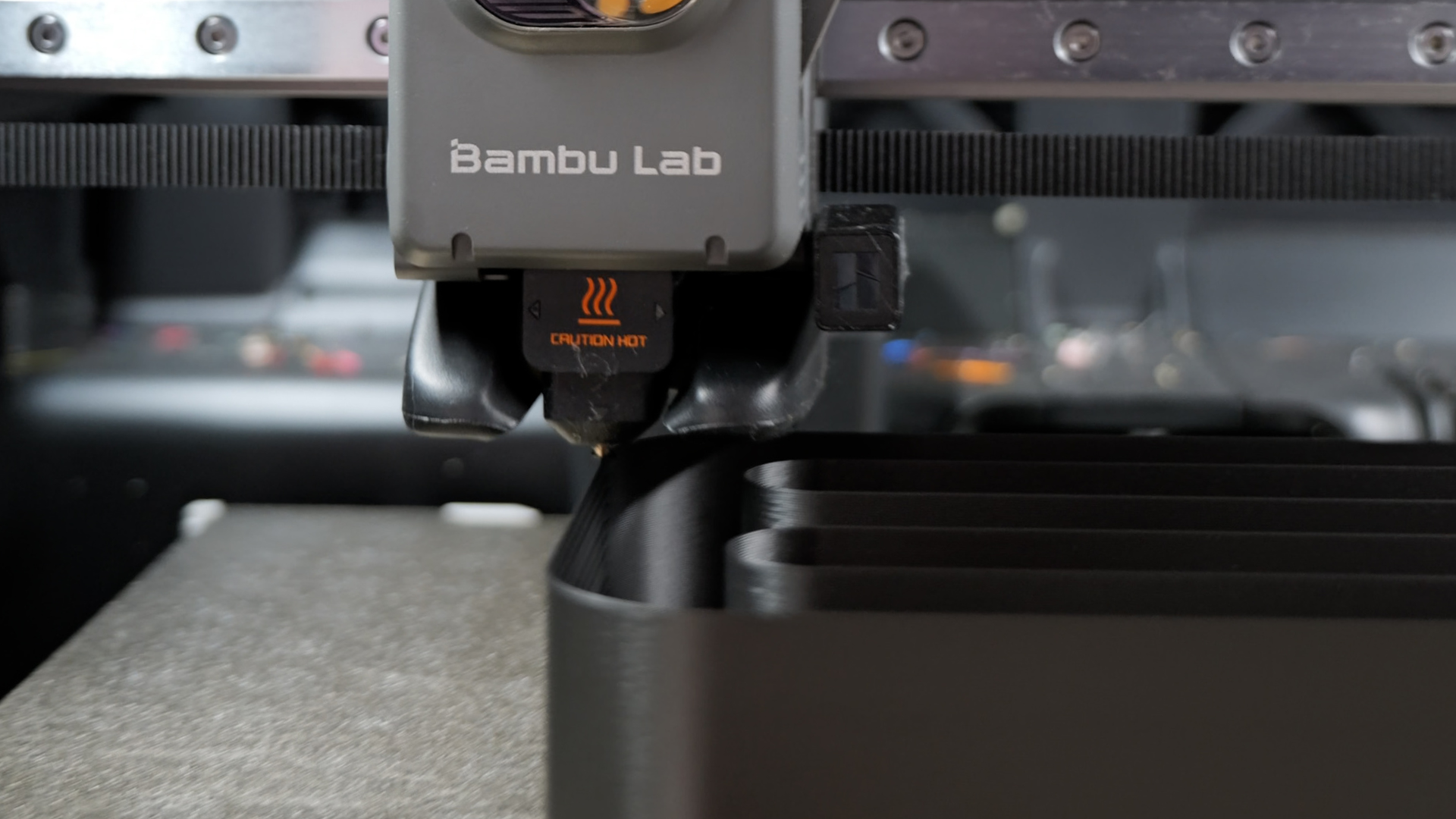
Why PLA+ is becoming the preferred choice
As printers get faster and users become more demanding, standard PLA is starting to show its limits. PLA+ fills that gap perfectly.
It allows users to continue printing easily, but with better results in terms of strength and reliability.
This is especially important for:
- functional parts
- components that are handled regularly
- prints that need to last longer
- assemblies and snap-fit parts
Instead of switching to more difficult materials like PETG or ABS, many users now choose PLA+ as a natural upgrade. It’s not just an alternative — it’s often the better default.
Applications of PLA+ filament
PLA+ is suitable for a wide range of applications, especially where standard PLA might fall short.
Because it combines ease of printing with improved durability, it works well for both beginners and more advanced users.
Typical PLA+ applications include:
- Functional prototypes
- Mechanical parts (light-duty)
- Brackets and mounts
- Tool holders
- Enclosures
- Everyday-use components
- Educational projects
- Assembly parts
- Snap-fit designs
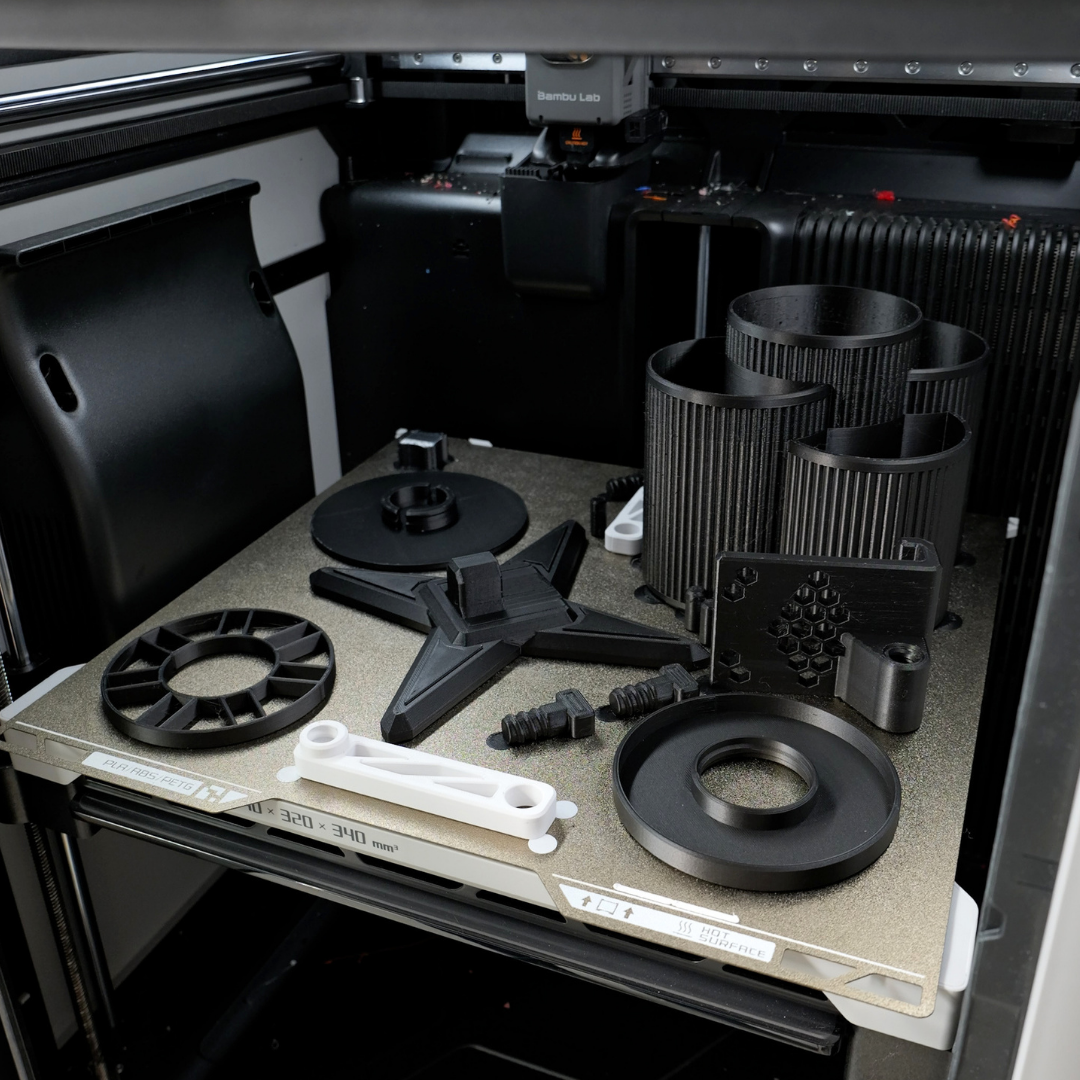
PLA+ is especially useful when the printed part needs to be used, not just displayed.
PLA+ printing experience
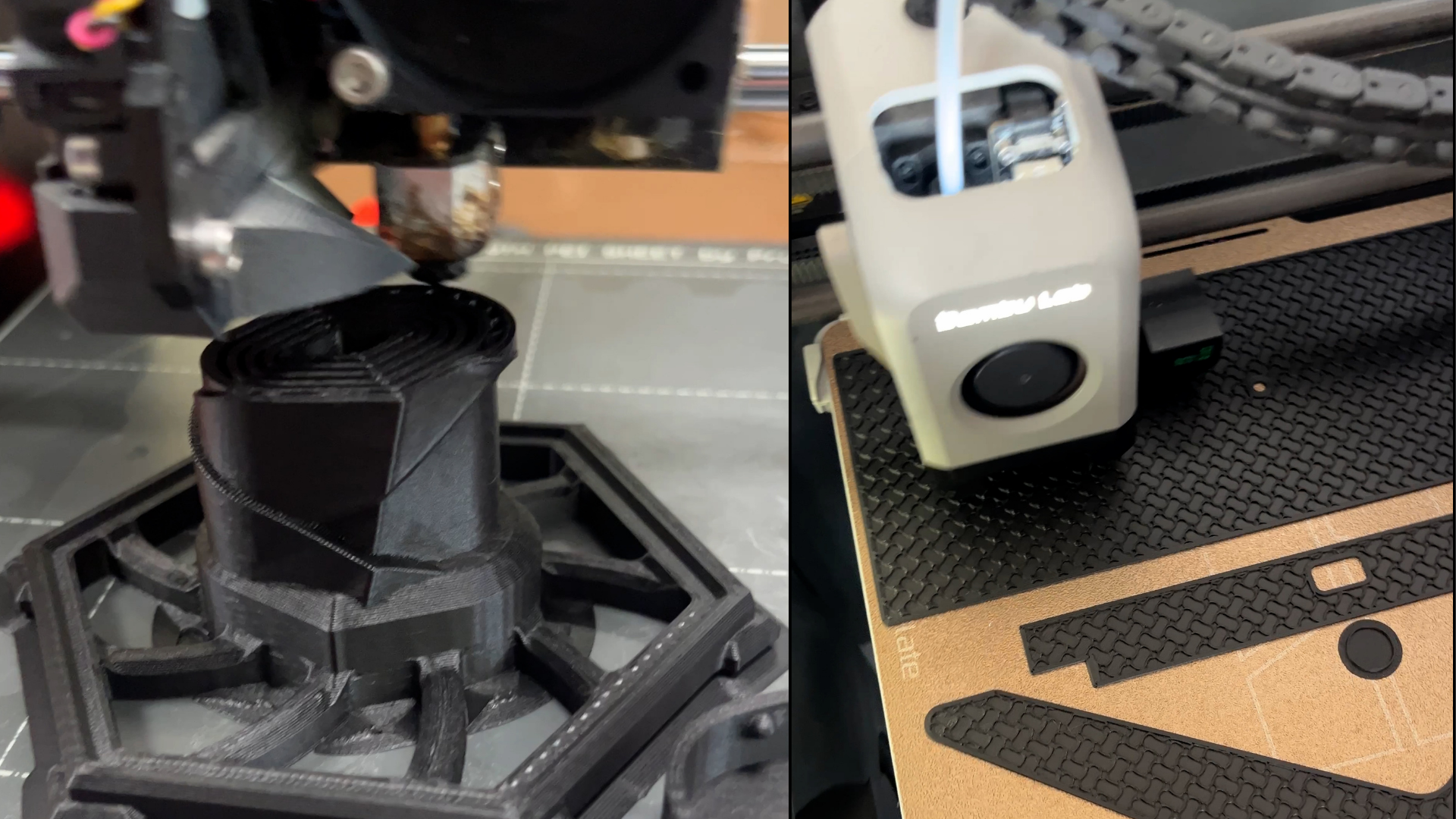
One of the biggest advantages of PLA+ is that it does not significantly complicate the printing process.
In most cases, it prints very similarly to standard PLA, which means you can use it without changing your workflow too much.
General printing behavior
- Low warping
- Good bed adhesion
- Smooth extrusion
- Stable printing even on basic machines
Compared to more technical materials, PLA+ remains very forgiving.
Recommended PLA+ print settings
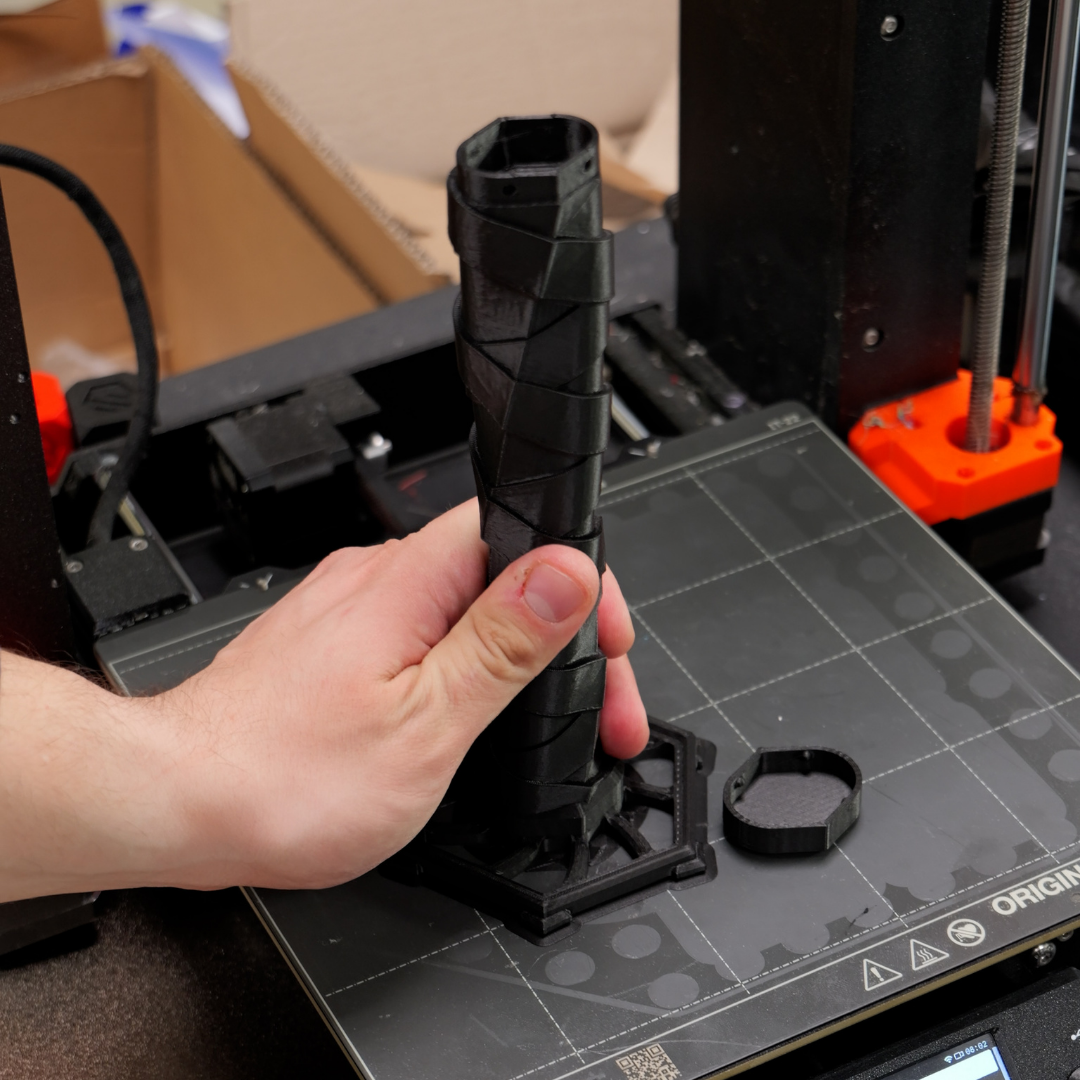
While PLA+ behaves similarly to PLA, slight adjustments can help unlock its full potential.
- Nozzle temperature: 200–220°C
- Bed temperature: 50–60°C
- Cooling: High
- Print speed: Medium
Tips for better PLA+ prints
- Use slightly higher temperatures for stronger layer bonding
- Ensure proper cooling for clean details
- Keep filament dry for consistent results
- Adjust speed if printing thicker or functional parts
PLA+ vs PLA (quick comparison)
Although this guide focuses on PLA+, it helps to briefly understand how it compares to standard PLA.
- PLA is easier at the absolute beginner level
- PLA+ is stronger and more durable
- PLA is more brittle
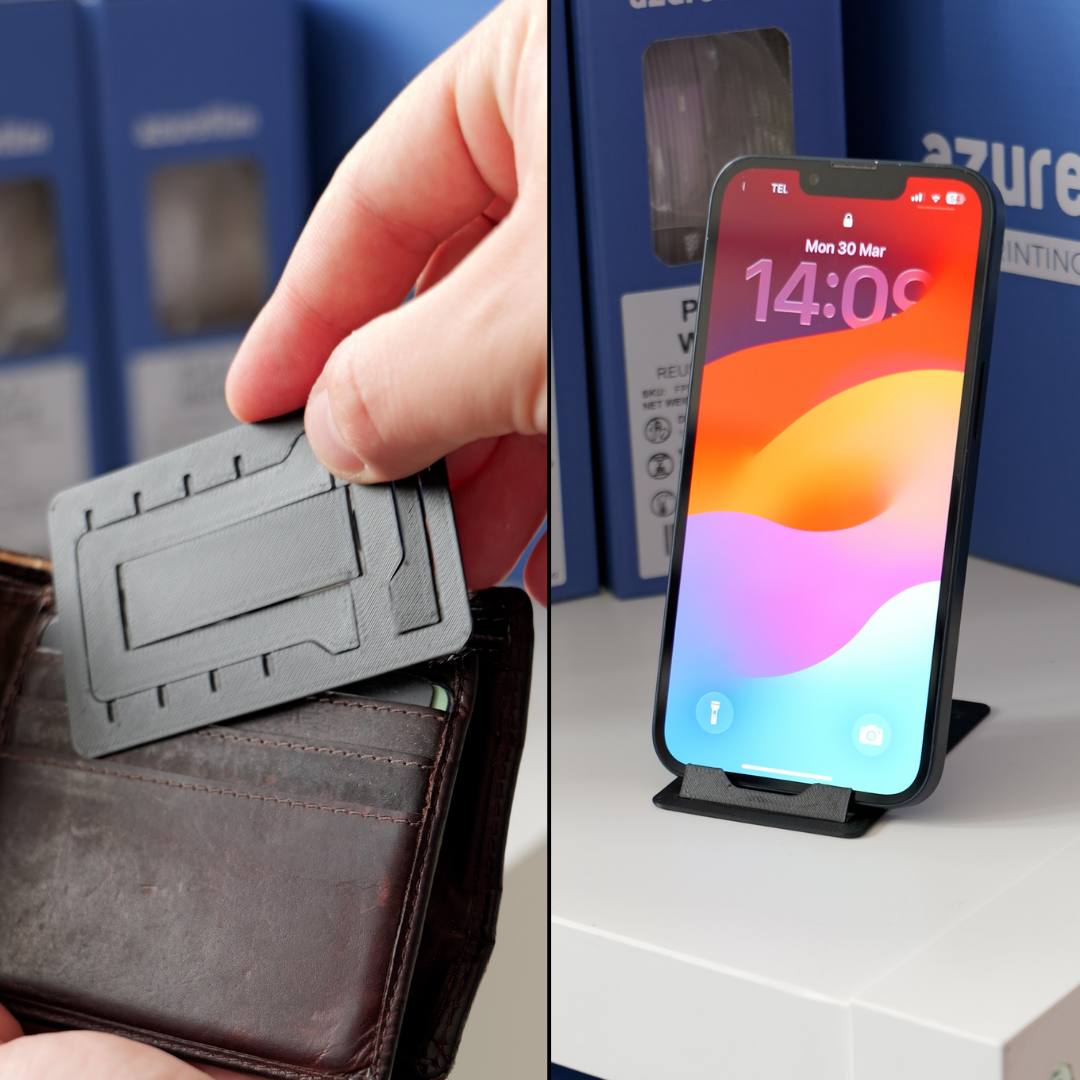
- PLA+ is better suited for functional parts
In most cases, PLA+ can replace PLA, but not the other way around.
Is PLA+ better than PLA?
For many users, the answer is yes. If your goal is simply to print something quickly and easily, standard PLA is still a great option.
But if you want parts that feel stronger, last longer, and perform better in real use, PLA+ is the better choice.
Frequently asked questions
What does PLA+ mean?
PLA+ is an enhanced version of PLA designed to improve strength and durability.
Is PLA+ stronger than PLA?
Yes, PLA+ is generally stronger and less brittle than standard PLA.
Is PLA+ harder to print?
No, PLA+ is very similar to PLA in terms of printing and remains beginner-friendly.
Can I use PLA+ instead of PLA?
Yes, in most cases PLA+ can fully replace standard PLA.
Is PLA+ good for functional parts?
Yes, PLA+ is much better suited for functional parts than standard PLA.
Conclusion
PLA+ represents the natural evolution of PLA.
It keeps everything that made PLA popular: ease of use, reliability, and clean results, while improving the areas that matter most in real-world applications.
For users who want stronger, more durable prints without making the printing process more complicated, PLA+ is an obvious step forward.
As 3D printing continues to grow, PLA+ is quickly becoming more than just an alternative — it is becoming the new standard.
Share


 Previous post

