






My Cart (0)
Table of Contents


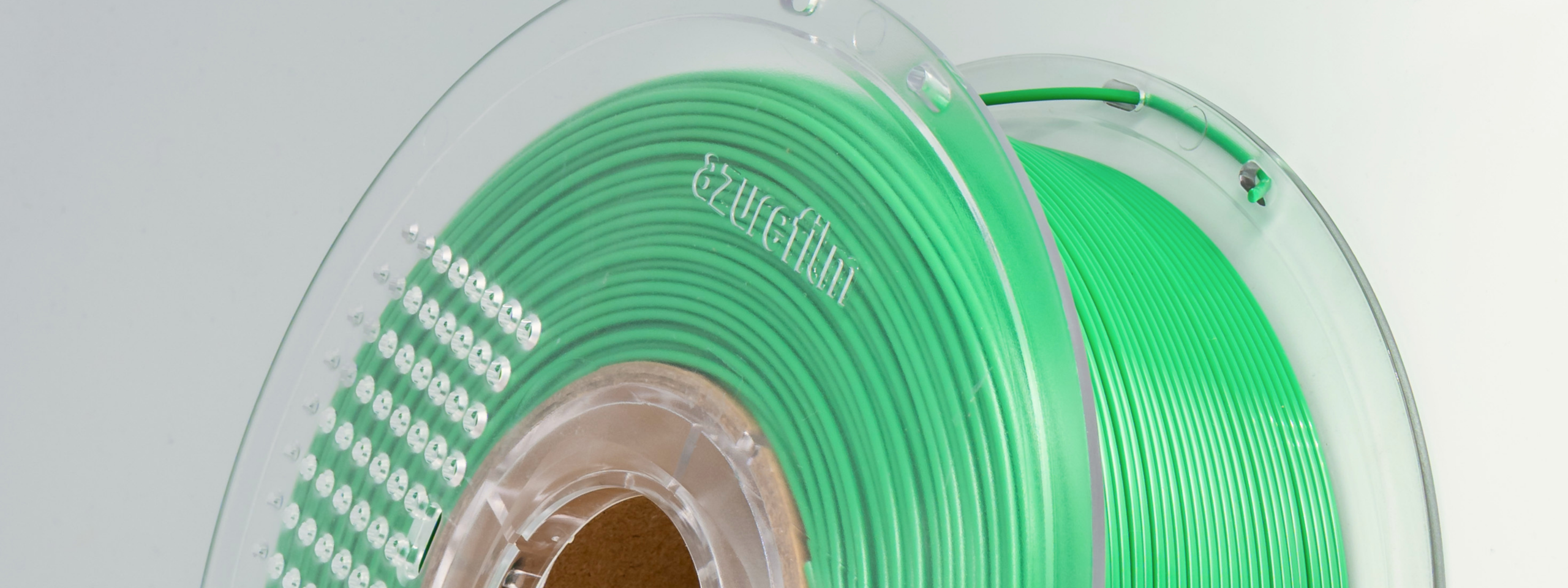
PETG is one of the most widely used materials in 3D printing, and for good reason.
It sits right between PLA and more technical materials like ABS, offering a balance of strength, durability, and ease of printing that makes it suitable for both beginners and experienced users.
But PETG is not just a “middle-ground” filament anymore.
With newer formulations like Hyper Speed PETG, the material has evolved to support faster printing, better consistency, and more reliable performance, making it one of the most practical choices for modern 3D printers.
In this complete guide, we’ll explain what PETG is, how it behaves, its key properties, applications, and how to get the best results when printing.
What is PETG material?
PETG stands for Polyethylene Terephthalate Glycol, a modified version of PET plastic — the same base material used in water bottles.
The addition of glycol makes PETG easier to print, less brittle, and more suitable for 3D printing.
The result is a material that combines the strength of industrial plastics with the printability of consumer filaments.
In simple terms, PETG is a strong, durable material that remains easy to print.
Key properties of PETG filament
PETG is known for its versatility. It performs well across many different use cases because it balances multiple properties instead of focusing on just one.
Unlike PLA, which is more rigid, or ABS, which requires controlled conditions, PETG offers a more forgiving and practical experience.
General characteristics of PETG
- Strong and durable
- Slightly flexible
- Excellent layer adhesion
- Low warping
- Good chemical resistance
- Water-resistant
- Low odor during printing
- Smooth and slightly glossy surface
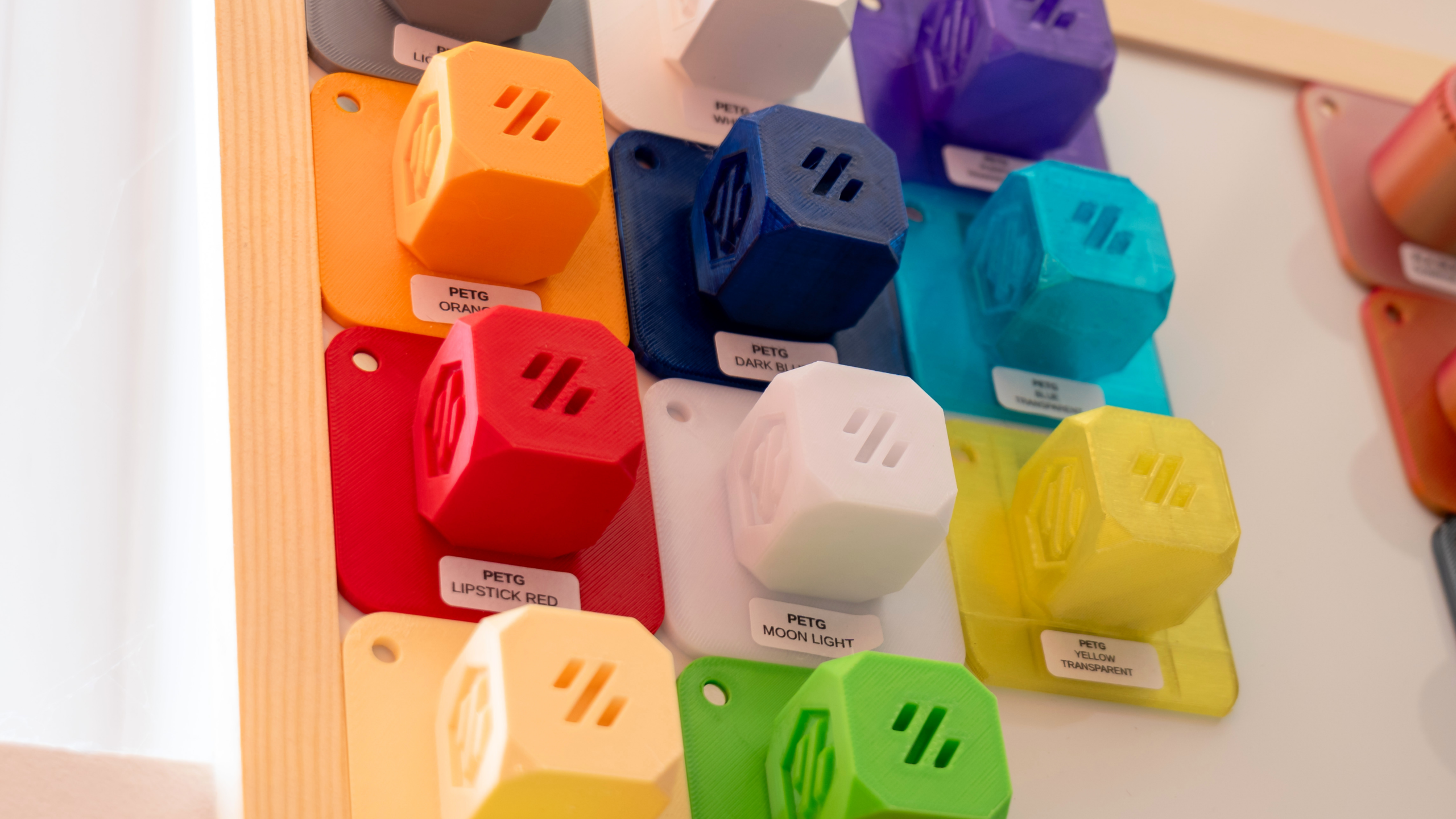
PETG is often chosen when you need a material that can handle real use, not just look good.
Why is PETG one of the most practical materials
One of the biggest advantages of PETG is how it behaves in real-world conditions.
It doesn’t crack easily like PLA, and it doesn’t require the same controlled environment as ABS.
Instead, PETG offers a more forgiving structure that allows parts to handle stress, impacts, and repeated use more effectively.
This makes it especially useful for:
- functional parts
- mechanical components
- everyday-use objects
- parts exposed to moisture
PETG is often the go-to material when PLA is not strong enough.
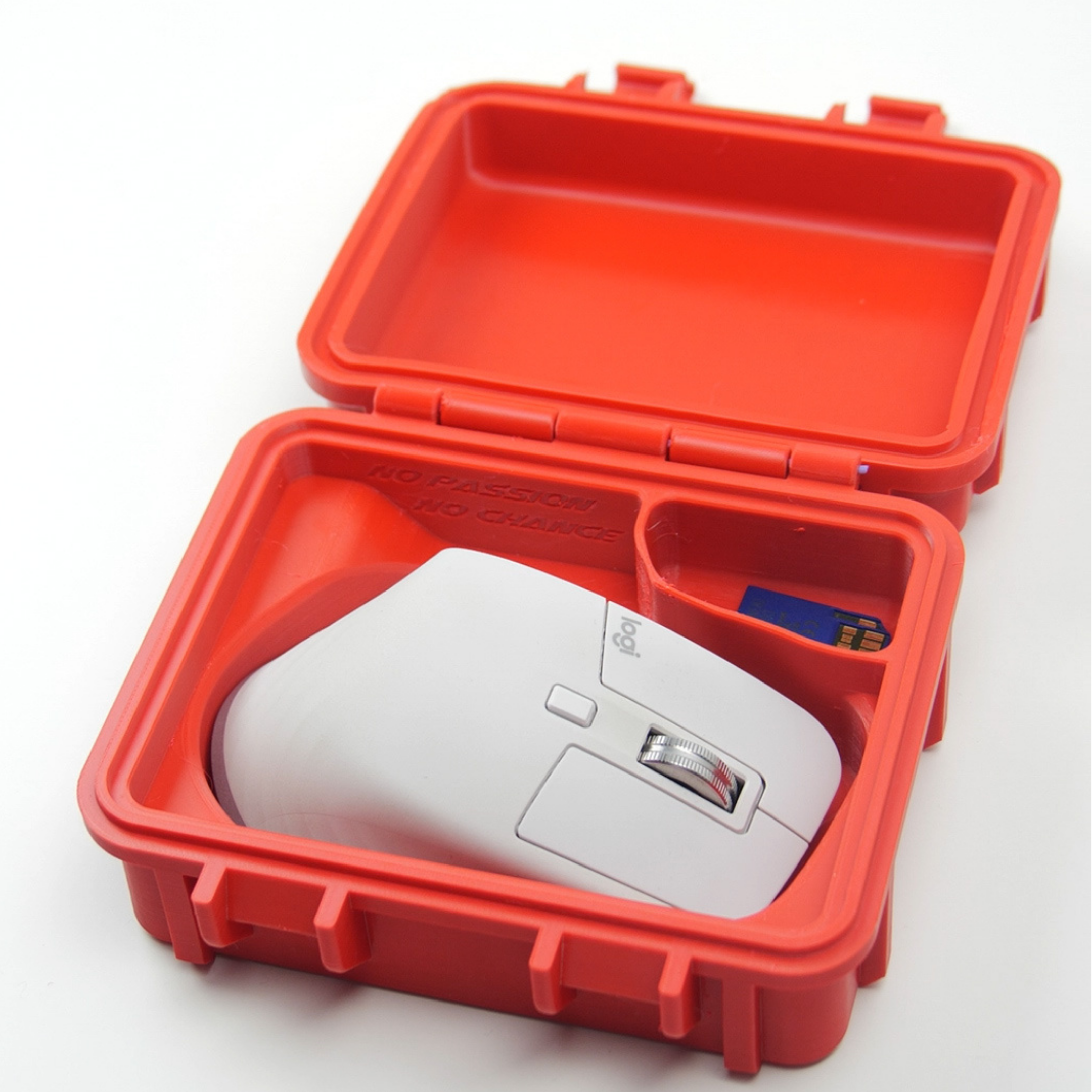
PETG HS (Hyper Speed): What makes it different?
As 3D printing has evolved, print speeds have increased significantly. Standard PETG, while strong and reliable, can struggle at higher speeds.
That’s where Hyper Speed PETG (PETG HS) comes in.
PETG HS is specifically developed to perform at higher printing speeds while maintaining consistent extrusion, strong layer bonding, and clean surface quality.
Key advantages of PETG HS
- Optimized for high-speed printing
- Stable extrusion at higher flow rates
- Improved layer adhesion even at speed
- Reduced risk of printing inconsistencies
- Reliable performance on modern fast printers
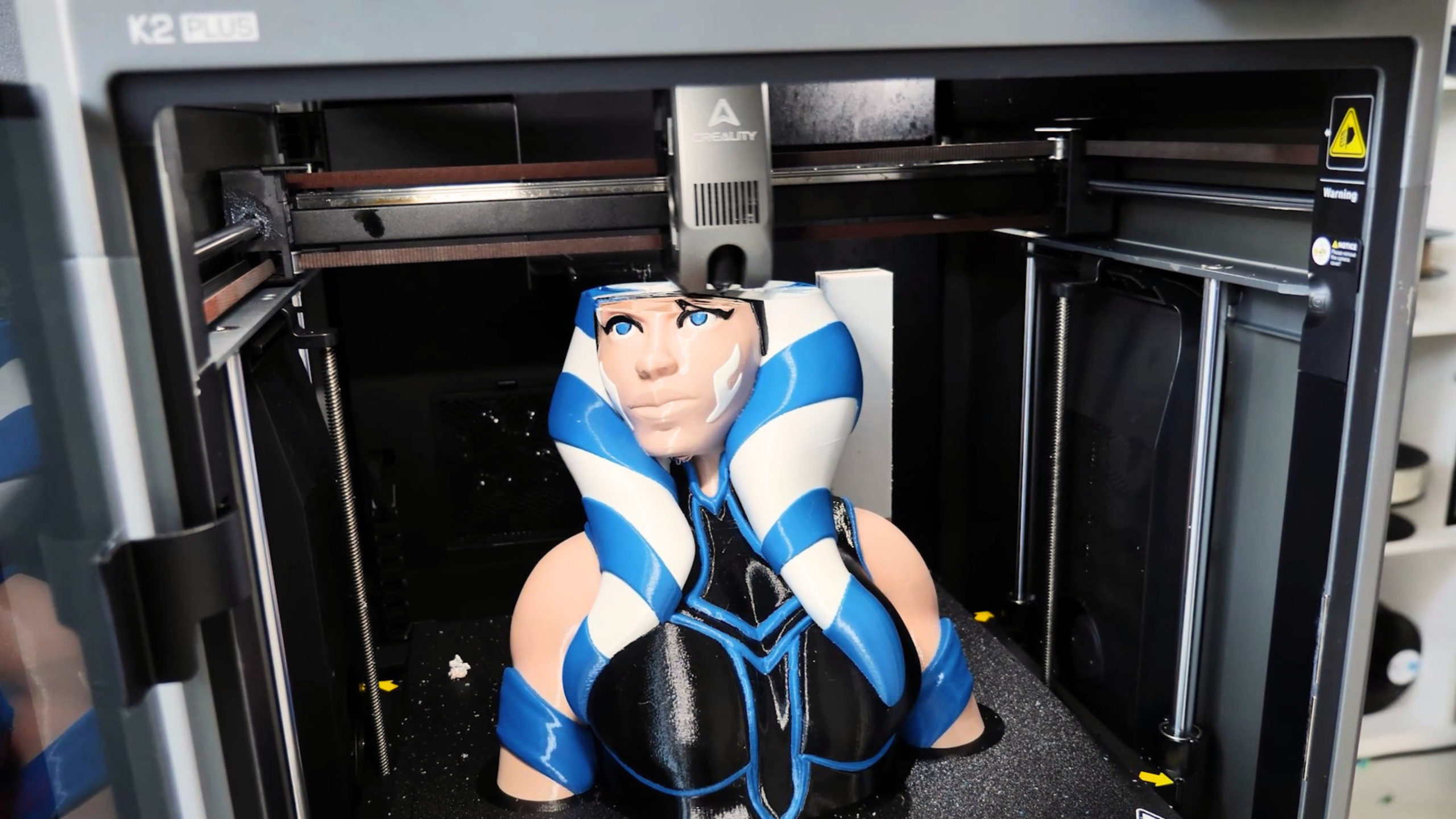
In practice, this means you can print faster without sacrificing strength or quality.
This makes PETG especially valuable for users who want to increase productivity without switching to more difficult materials.
Applications of PETG filament
PETG is widely used because it works well in both visual and functional applications.
It is strong enough for practical parts, but still easy enough to print on most machines.
Common PETG applications include:
- Functional prototypes
- Brackets and mounts
- Mechanical parts
- Containers and storage solutions
- Protective covers
- Tool holders
- Outdoor components (moderate exposure)
- Workshop accessories
- Enclosures
- Everyday-use parts
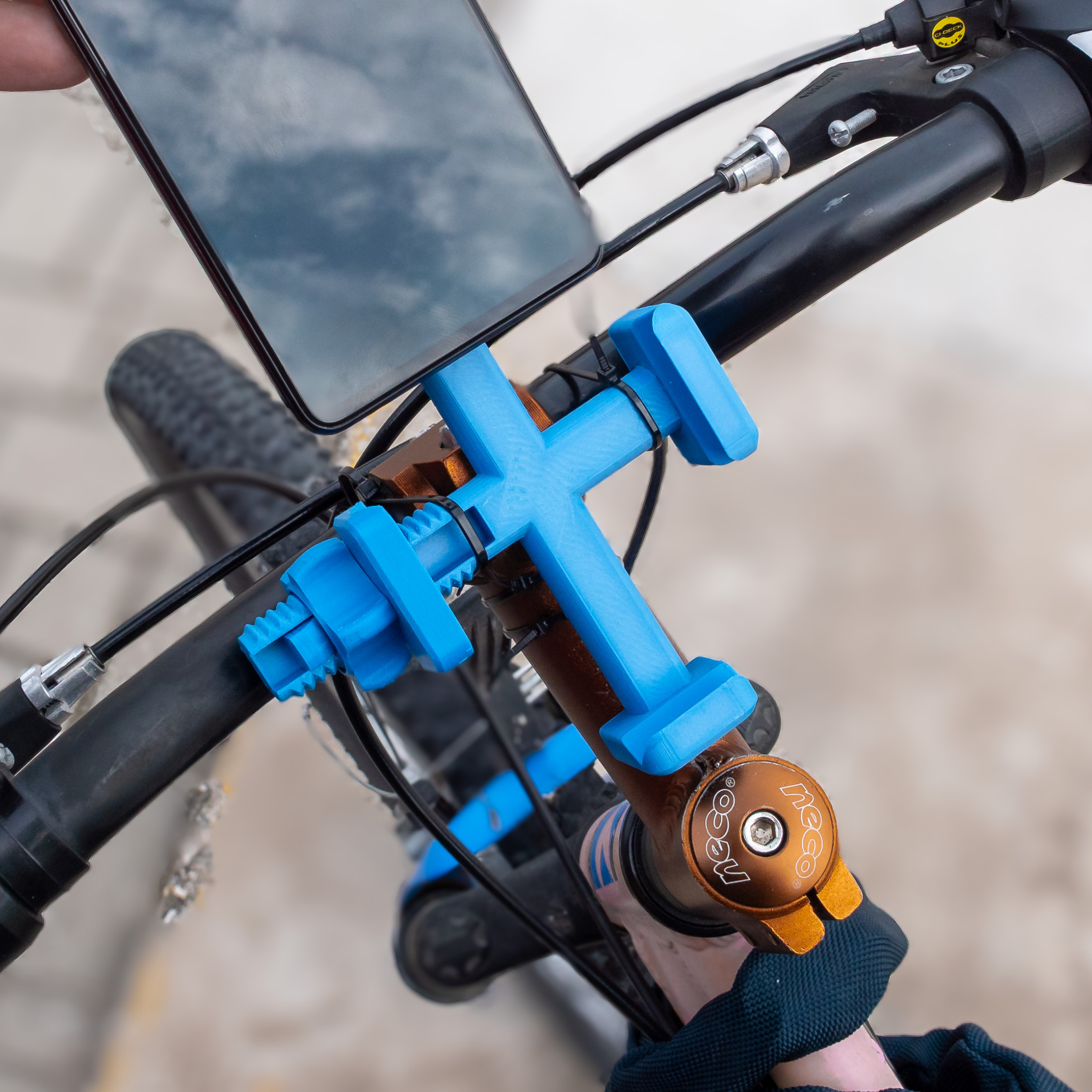
PETG is especially useful when the part needs to be used, handled, and trusted.
Advantages of PETG filament
PETG offers a combination of properties that make it one of the most balanced materials available.
It reduces many of the limitations found in both PLA and ABS, while remaining accessible to a wide range of users.
Main advantages of PETG
- Strong and durable
- Less brittle than PLA
- More forgiving than ABS
- Good impact resistance
- Excellent layer adhesion
- Low warping
- Water and chemical resistance
- Suitable for functional parts
- Compatible with most printers
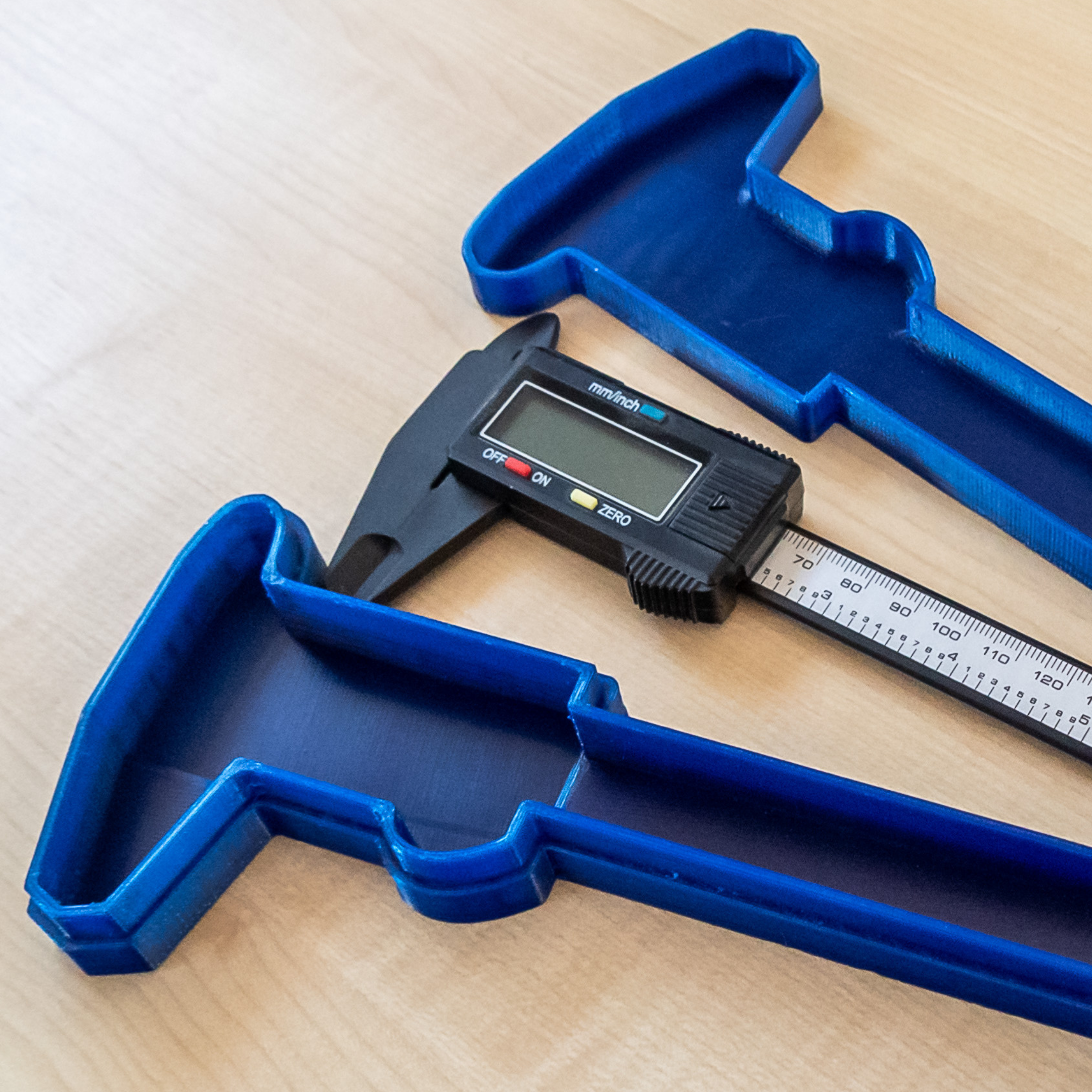
PETG is often considered the best all-round filament.
Limitations and drawbacks of PETG
While PETG is very versatile, it is not perfect.
It requires slightly more tuning than PLA and can behave differently during printing.
The most common issue with PETG is stringing, especially if retraction and temperature are not optimized.
Common drawbacks of PETG
- Can produce stringing
- Slightly softer surface than PLA
- Less heat resistant than ABS
- Can stick too well to some build plates
- Requires more tuning than PLA
Despite these limitations, PETG remains relatively easy to manage compared to more advanced materials.
PETG printing recommendations
PETG prints differently than PLA, but with a few adjustments, it becomes very reliable.
Recommended settings
- Nozzle temperature: 220–250°C
- Bed temperature: 70–90°C
- Print speed: Medium (or high with PETG HS)
- Cooling: Moderate
- Retraction: Carefully tuned
Tips for better PETG prints
- Lower retraction to reduce stringing
- Avoid excessive cooling to maintain layer strength
- Use proper bed adhesion methods
- Print slightly slower for better surface quality
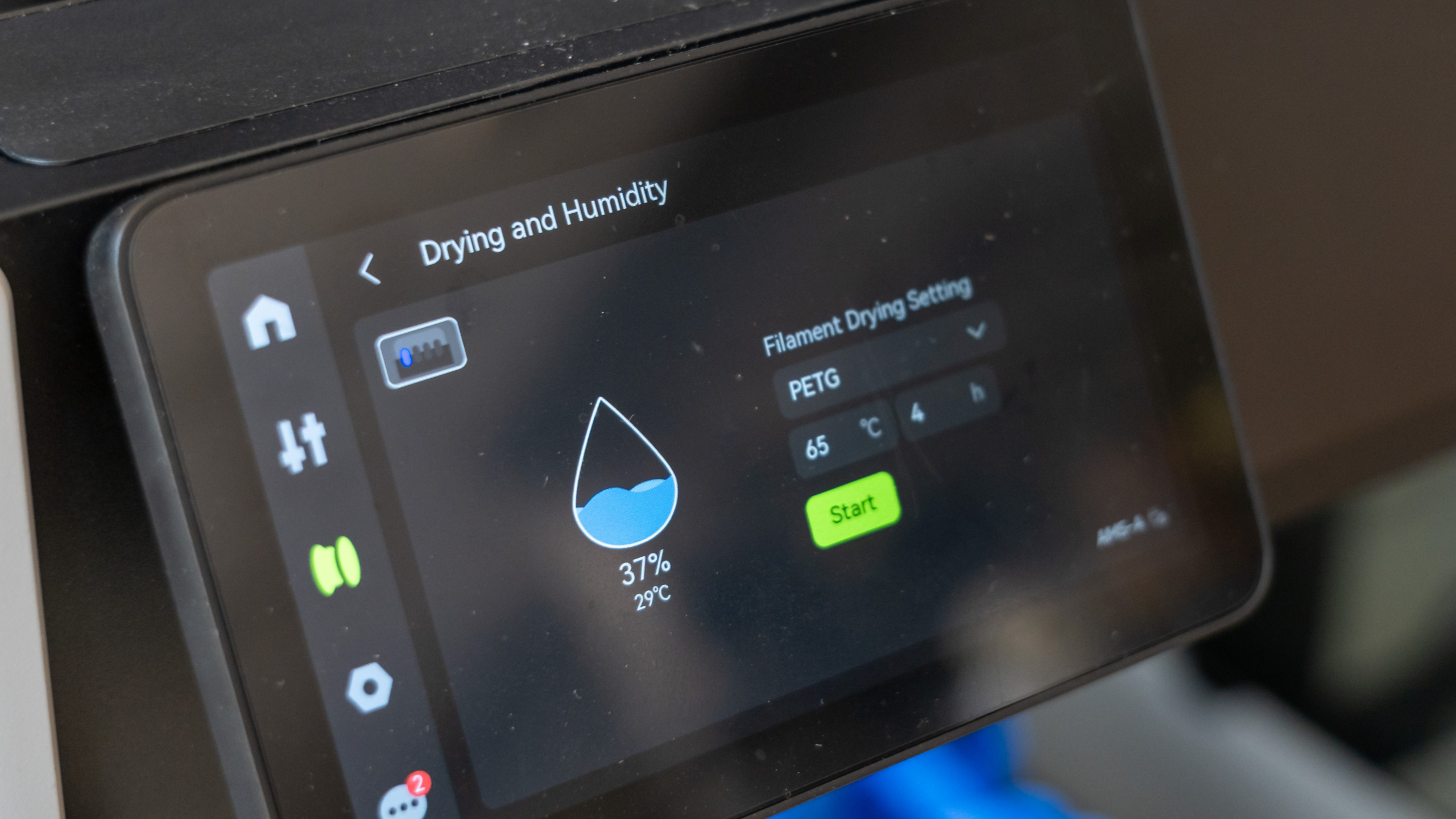
- Keep filament dry
With the right setup, PETG can produce very strong and consistent prints.
PETG vs other materials
Understanding PETG is easier when you compare it briefly to other filaments.
- Compared to PLA, PETG is stronger and less brittle
- Compared to ABS, PETG is easier to print
- Compared to TPU, PETG is more rigid but still slightly flexible
PETG sits right in the middle, making it one of the most versatile materials.
Is PETG environmentally friendly?
PETG is not biodegradable, but it is recyclable in certain systems.
Because it is based on PET plastic, it shares some of the same recycling pathways, although actual recyclability depends on local infrastructure.
Like most plastics, responsible use and recycling are important.
When should you use PETG?
PETG is the best choice when:
- You need stronger parts than PLA
- The part will be used regularly
- Some flexibility is beneficial
- You want reliable printing without complexity
- The part may be exposed to moisture
When should you avoid PETG?
PETG is not ideal when:
- You need high heat resistance (use ABS/ASA)
- You want the easiest possible printing (use PLA)
- You need very soft or flexible parts (use TPU)
Frequently asked questions
Is PETG stronger than PLA?
Yes, PETG is generally stronger and less brittle than PLA.
Is PETG easy to print?
Yes, it is slightly more demanding than PLA but still beginner-friendly.
Is PETG waterproof?
PETG is water-resistant and suitable for many moisture-related applications.
Is PETG good for functional parts?
Yes, PETG is one of the best materials for functional 3D prints.
Conclusion
PETG has earned its place as one of the most widely used materials in 3D printing.
It offers a reliable balance of strength, durability, and ease of use, making it suitable for everything from simple prints to functional, everyday parts.
With advancements like Hyper Speed PETG, the material continues to evolve, allowing users to print faster without sacrificing performance.
For anyone looking for a dependable, versatile filament that can handle real-world use, PETG remains one of the best choices available.
Share


 Previous post

