






My Cart (0)
Table of Contents


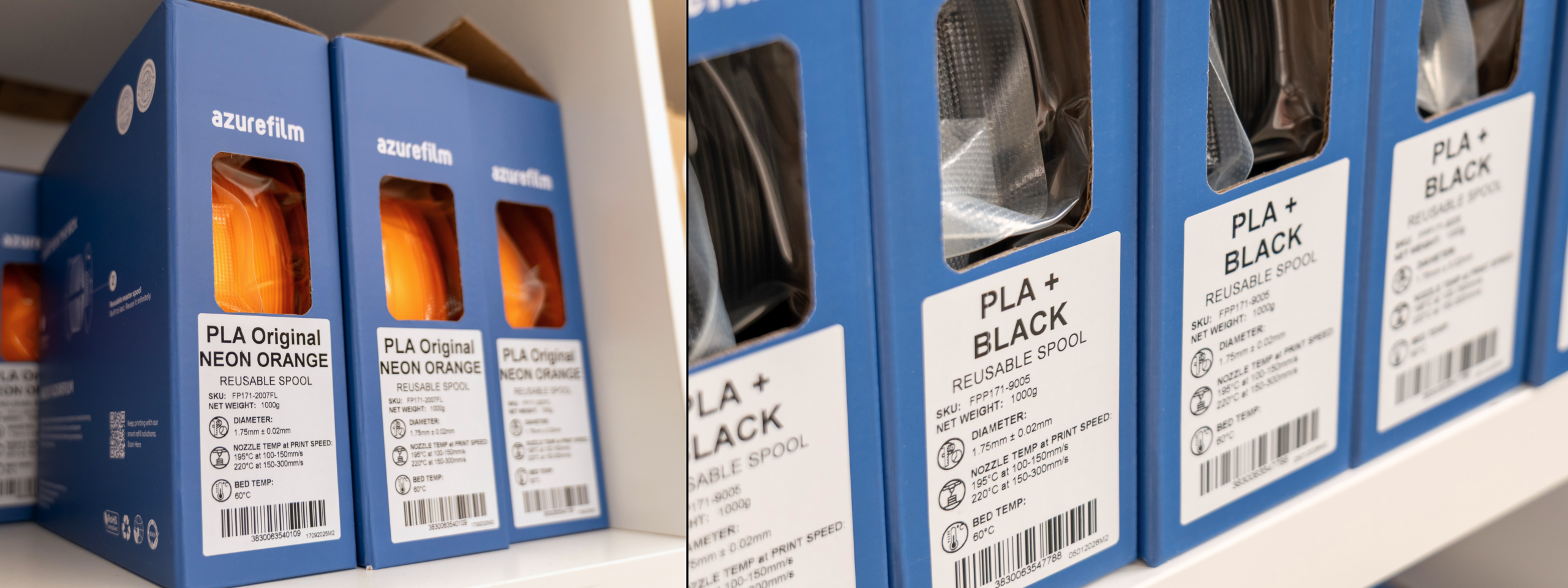
Choosing the right filament is one of the most important steps in 3D printing. The material you use affects the strength, appearance, durability, print settings, and even how well the final part performs in real use.
One of the most common comparisons today is PLA vs PLA+. At first glance, they may seem almost the same. Both are easy to print, beginner-friendly, and suitable for a wide range of 3D printing projects. But once the printed part is used, handled, or assembled, the difference becomes much more noticeable.
PLA is known for its simplicity, clean surface finish, and excellent printability. PLA+, on the other hand, is designed as an improved version of PLA, offering better strength, toughness, and durability while keeping the same easy printing experience.
In this article, we will explain the main differences between PLA and PLA+ filament, their advantages, limitations, and which one you should choose for your next 3D printing project.
PLA filament
Definition and composition of PLA filament
PLA, short for Polylactic Acid, is one of the most popular materials in 3D printing. It is a biobased thermoplastic made from renewable resources such as corn starch or sugarcane.
PLA became so widely used because it is simple, reliable, and works well on almost any standard 3D printer. It melts at relatively low temperatures, sticks well to the print bed, and does not require an enclosure.
For many users, PLA is the first filament they try — and for good reason. It produces clean, detailed prints with minimal effort, which makes it ideal for beginners, prototypes, decorative models, and everyday printing.
However, standard PLA also has one important limitation: it can be brittle. This means that while it looks great and prints easily, it may crack or snap under pressure, especially in parts that are thin, assembled, or used regularly.
Properties and characteristics of PLA filament
PLA is known for its excellent printability and clean surface finish. It is a rigid material, which helps printed parts keep their shape well and capture fine details.
It is also very stable during printing. Since PLA has low shrinkage, it is less likely to warp compared to more technical materials. This makes it one of the most forgiving filaments for beginners.
General characteristics
- Easy to print
- Beginner-friendly
- Low warping
- Clean surface finish
- Good detail accuracy
- Rigid structure
- Low odor while printing
- More brittle than PLA+
PLA is a great choice when you want reliable prints without complicated settings.
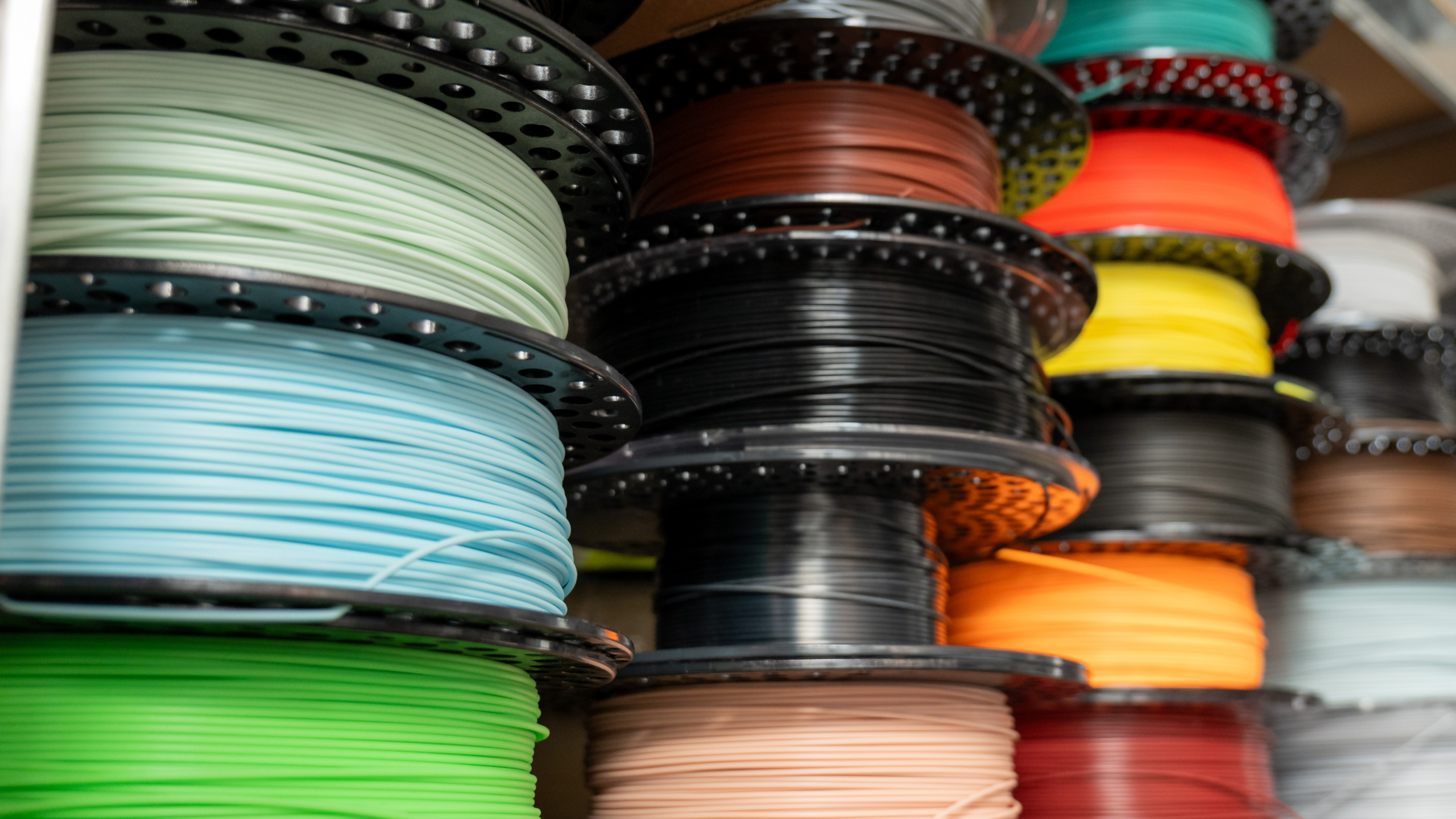
Advantages of PLA filament
PLA has several advantages that make it one of the most used materials in 3D printing.
Its biggest strength is simplicity. PLA prints easily, requires little tuning, and usually works well even on basic desktop printers. This makes it perfect for users who are still learning or who simply want reliable results without too much troubleshooting.
PLA also produces very good visual quality. Layer lines are usually clean, details are sharp, and the surface finish is suitable for decorative and display parts.
Some key advantages of PLA include:
- Very easy printing experience
- Minimal warping
- No enclosure required
- Excellent detail and surface quality
- Wide range of colors and finishes
- Low odor during printing
- Ideal for beginners and visual projects
If your main goal is to print clean, simple, and attractive parts, PLA is still a great material.
Common applications of PLA filament
PLA is often used when appearance, simplicity, and ease of printing are more important than mechanical performance.
Common PLA applications include:
- Decorative objects
- Figurines and models
- Prototypes
- Educational projects
- Architectural models
- Display parts
- Hobby prints
- Light-use components
PLA is especially useful for prints that will stay indoors and will not be exposed to heat, impact, or constant mechanical stress.
Limitations and drawbacks of PLA filament
To properly understand PLA vs PLA+, it is also important to understand where standard PLA can fall short.
PLA is rigid, but it is not very tough. Under stress, it can break suddenly instead of bending or absorbing impact. This brittleness is one of the main reasons users start looking for an improved version of PLA.
PLA also has lower heat resistance than more technical materials. It can soften in warm environments, such as inside a car or near a heat source.
Some common drawbacks of PLA include:
- More brittle than PLA+
- Lower impact resistance
- Not ideal for functional parts under stress
- Lower heat resistance
- Less durable for everyday-use parts
- Not suitable for demanding outdoor applications
PLA is excellent for easy printing, but it is not always the best option when the part needs to perform.
PLA+ filament
Definition and composition of PLA+ filament
PLA+ is an enhanced version of standard PLA filament. It is developed to keep the advantages of PLA while improving its main weakness: brittleness.
The exact formulation can vary between manufacturers, but the goal is usually the same — to make PLA stronger, tougher, and more durable without making it difficult to print.
In 3D printing, PLA+ is popular because it feels like a natural upgrade. It prints similarly to PLA, but the final parts are better suited for real-world use.
You can think of PLA+ as PLA with improved performance. It is still beginner-friendly, still reliable, and still easy to print, but it offers better strength and durability for parts that need to do more than just look good.
Properties and characteristics of PLA+ filament
PLA+ is designed to improve mechanical performance while keeping the printing experience simple.
Compared to standard PLA, PLA+ usually has better impact resistance, improved toughness, and stronger layer bonding. This makes printed parts feel more solid and less likely to crack during use.
General characteristics
- Easy to print
- Stronger than standard PLA
- Less brittle
- Better impact resistance
- Improved durability
- Good layer adhesion
- Low warping
- Suitable for functional everyday parts
PLA+ is especially useful when you want the simplicity of PLA but need a stronger and more reliable final part.
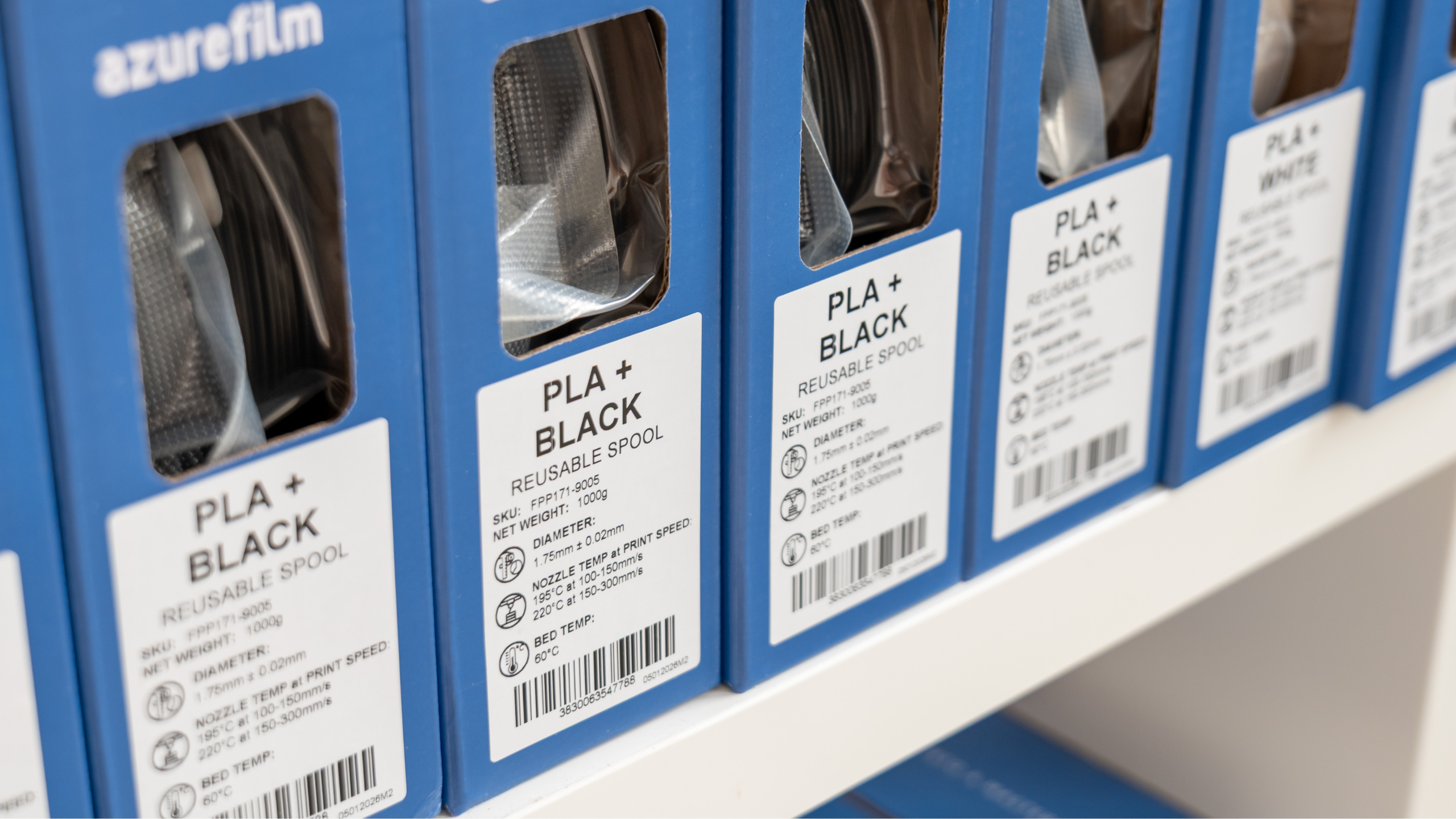
Advantages of PLA+ filament
PLA+ offers many advantages for users who want better performance without switching to more demanding materials.
The biggest benefit is improved toughness. PLA+ parts are less likely to snap or crack under pressure, which makes them more useful for practical applications.
Another advantage is that PLA+ usually does not require a major change in printing habits. It can often be printed with similar settings to PLA, making it an easy upgrade for beginners and experienced users alike.
Some key advantages of PLA+ include:
- Better strength than standard PLA
- Higher impact resistance
- Reduced brittleness
- Improved layer adhesion
- More durable parts
- Still easy and beginner-friendly to print
- Better suited for functional parts
For many users, PLA+ offers the best of both worlds: easy printing and better real-world performance.
Common applications of PLA+ filament
PLA+ is often used when standard PLA feels too fragile, but the user still wants a simple and reliable printing experience.
Common PLA+ applications include:
- Functional prototypes
- Brackets and holders
- Enclosures
- Assembly parts
- Tool organizers
- Everyday-use components
- Educational parts that need more durability
- Light-duty mechanical parts
- Prints that are handled regularly
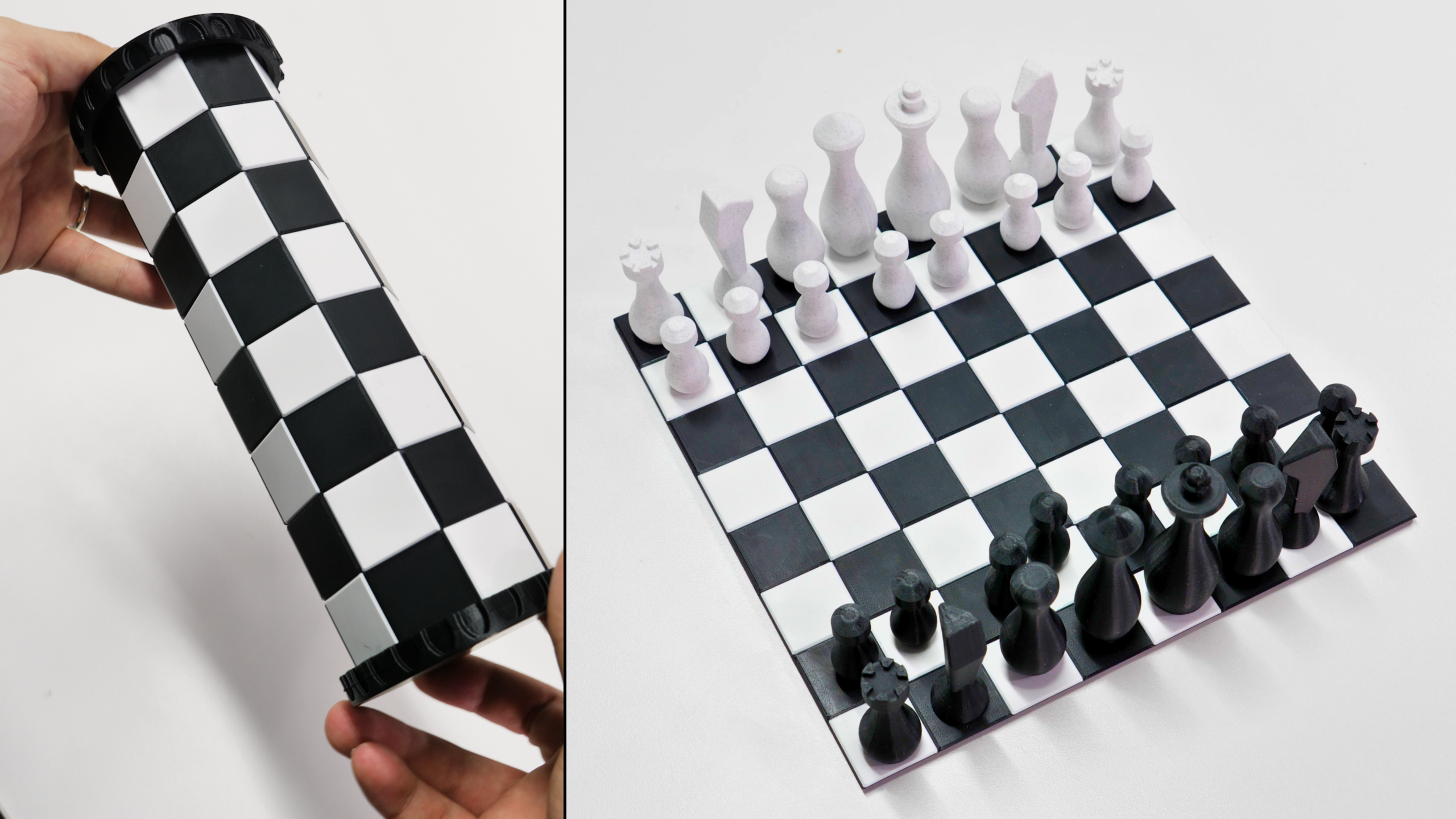
PLA+ is a great choice when the part needs to be used, not just displayed.
Limitations and drawbacks of PLA+ filament
Although PLA+ improves many weaknesses of standard PLA, it is still based on PLA. This means it does not fully replace materials like PETG, ABS, ASA, or TPU in more demanding applications.
PLA+ is stronger and tougher than standard PLA, but it is not a flexible material. It also still has limited heat resistance compared to technical filaments.
Some common drawbacks of PLA+ include:
- Still not ideal for high-temperature environments
- Not as flexible as PETG or TPU
- Not as heat-resistant as ABS or ASA
- Slightly different settings may be needed compared to standard PLA
- Not suitable for heavy mechanical loads
PLA+ is a major improvement over PLA, but it is best understood as a stronger everyday filament, not a full engineering material.
Key differences between PLA and PLA+ filaments
When comparing PLA vs PLA+, the biggest difference is not how they print, but how the final part behaves after printing.
Both materials are easy to use, but PLA+ is designed to perform better in real-world conditions.
Material strength and durability
PLA is rigid and stable, but it can be brittle. This means that under stress, it may crack or break suddenly.
PLA+ is designed to reduce this problem. It has better toughness and impact resistance, which makes printed parts stronger and more durable in everyday use.
If you are printing decorative objects, PLA is usually enough. If your part will be handled, assembled, or used regularly, PLA+ is usually the better choice.
Brittleness and impact resistance
This is one of the most important differences between PLA and PLA+.
Standard PLA can break when pressure is applied, especially in thin areas or parts with clips, joints, or screw holes.
PLA+ is less brittle and more forgiving. It can absorb more impact before failing, which makes it much better for parts that need to survive real use.
If your prints often crack during assembly, PLA+ is a smart upgrade.
Printing difficulty
PLA and PLA+ are both easy to print.
PLA is still the simplest option at the absolute beginner level, but PLA+ is very close. In most cases, users can switch from PLA to PLA+ without changing their printer setup.
PLA+ may benefit from slightly higher nozzle temperatures to improve layer bonding, but it does not require an enclosure or advanced equipment.
For most users, PLA+ gives better performance without making printing more complicated.
Layer adhesion
Layer adhesion is important because 3D printed parts are built layer by layer.
PLA already has good layer adhesion, but PLA+ usually improves it further. Better layer adhesion means parts are less likely to split, crack, or fail between layers.
This is one of the reasons PLA+ feels stronger and more reliable in functional prints.
Surface finish and appearance
PLA is known for clean, sharp details and smooth surface quality.
PLA+ can produce very similar visual results. Depending on the formulation, it may look slightly different, but for most users, the difference in appearance is small.
Both materials are suitable for good-looking prints, but PLA+ gives you the added benefit of better durability.
Heat resistance
PLA+ may offer slightly better performance than standard PLA, but both materials still have limited heat resistance.
Neither PLA nor PLA+ is the best choice for parts exposed to high temperatures, such as car interiors or parts near motors, heaters, or electronics that generate heat.
For higher temperature applications, materials like PETG, ABS, or ASA are usually better options.
Everyday usability
This is where PLA+ becomes especially useful.
PLA works well for static objects and visual prints, but PLA+ is better for parts that are touched, moved, assembled, or used repeatedly.
It is a better choice for practical everyday prints because it offers more confidence once the print leaves the build plate.
For users who want their prints to last longer and feel stronger, PLA+ is often the more practical option.
Choosing between PLA and PLA+
If you are deciding between PLA vs PLA+, think about what your printed part needs to do.
Choose PLA if you need:
- The easiest possible printing experience
- Decorative or visual prints
- Models and figurines
- Prototypes that do not need strength
- Indoor parts with light use
- A simple material for learning 3D printing
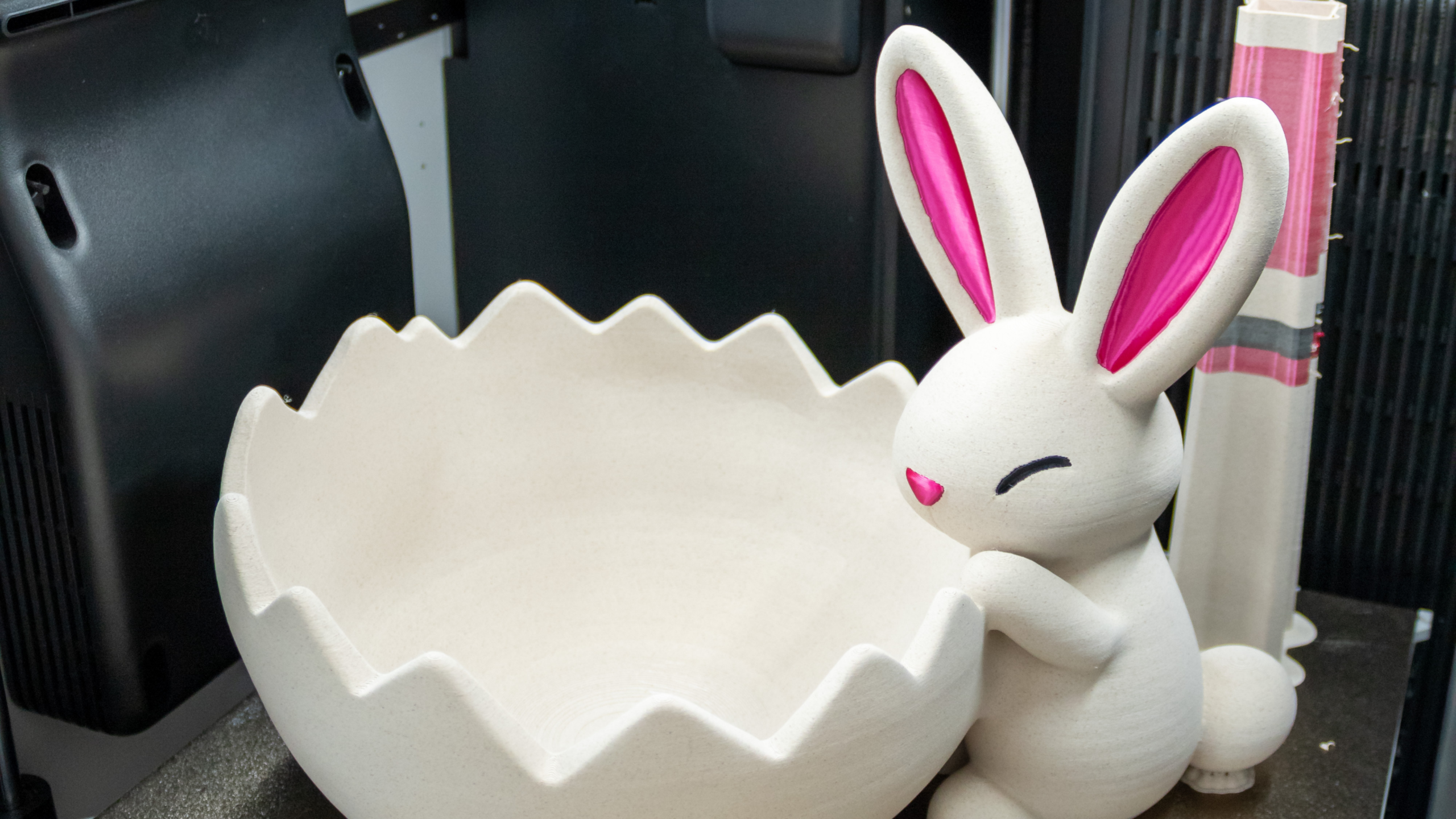
PLA is still an excellent choice when appearance and simplicity matter most.
Choose PLA+ if you need:
- Stronger parts than standard PLA
- Better impact resistance
- Less brittle prints
- Functional everyday components
- Parts that will be handled or assembled
- A stronger filament that is still easy to print
- A natural upgrade from regular PLA
PLA+ is usually the better option when the printed part needs to be more durable and reliable.
PLA vs PLA+: Which one is better?
There is no single answer for every project, but for many users, PLA+ is the better long-term choice.
PLA is still great for beginners, models, and decorative prints. It is simple, reliable, and gives clean results.
PLA+ takes those same advantages and improves the performance of the final part. It is stronger, tougher, and less brittle, which makes it better for everyday-use prints.
If you only care about easy printing and appearance, PLA is enough. But if you want prints that feel stronger and last longer, PLA+ is a better material.
For most practical applications, PLA+ is the smarter upgrade.
Frequently asked questions
What is the difference between PLA and PLA+?
PLA+ is an enhanced version of PLA designed to improve strength, toughness, and durability while keeping the same easy printing experience.
Is PLA+ stronger than PLA?
Yes. PLA+ is generally stronger and less brittle than standard PLA, making it better for functional and everyday-use parts.
Is PLA+ harder to print than PLA?
No. PLA+ prints very similarly to standard PLA and remains beginner-friendly. Some users may need slightly higher nozzle temperatures for best results.
Can PLA+ replace PLA?
In many cases, yes. PLA+ can replace PLA for most everyday prints, especially when better durability is needed.
Is PLA+ good for beginners?
Yes. PLA+ is a good choice for beginners because it is easy to print while offering stronger and more durable results than standard PLA.
Is PLA+ heat-resistant?
PLA+ may be slightly improved compared to standard PLA, but it is still not a high-temperature material. For heat resistance, PETG, ABS, or ASA are better options.
Conclusion
PLA and PLA+ are closely related materials, but they are not the same.
PLA is easy to print, reliable, and ideal for beginners, decorative objects, and simple prototypes. It remains one of the best materials for learning 3D printing and creating clean visual models.
PLA+ builds on that foundation by improving strength, toughness, and durability. It keeps the easy printing experience of PLA, but creates parts that are better suited for everyday use.
If you are just starting out, PLA is still a great choice. But if you want stronger prints without making the printing process more difficult, PLA+ is the better option.
For many users, PLA+ is not just an alternative to PLA — it is the natural next step.
Share


 Previous post
