






My Cart (0)
Table of Contents


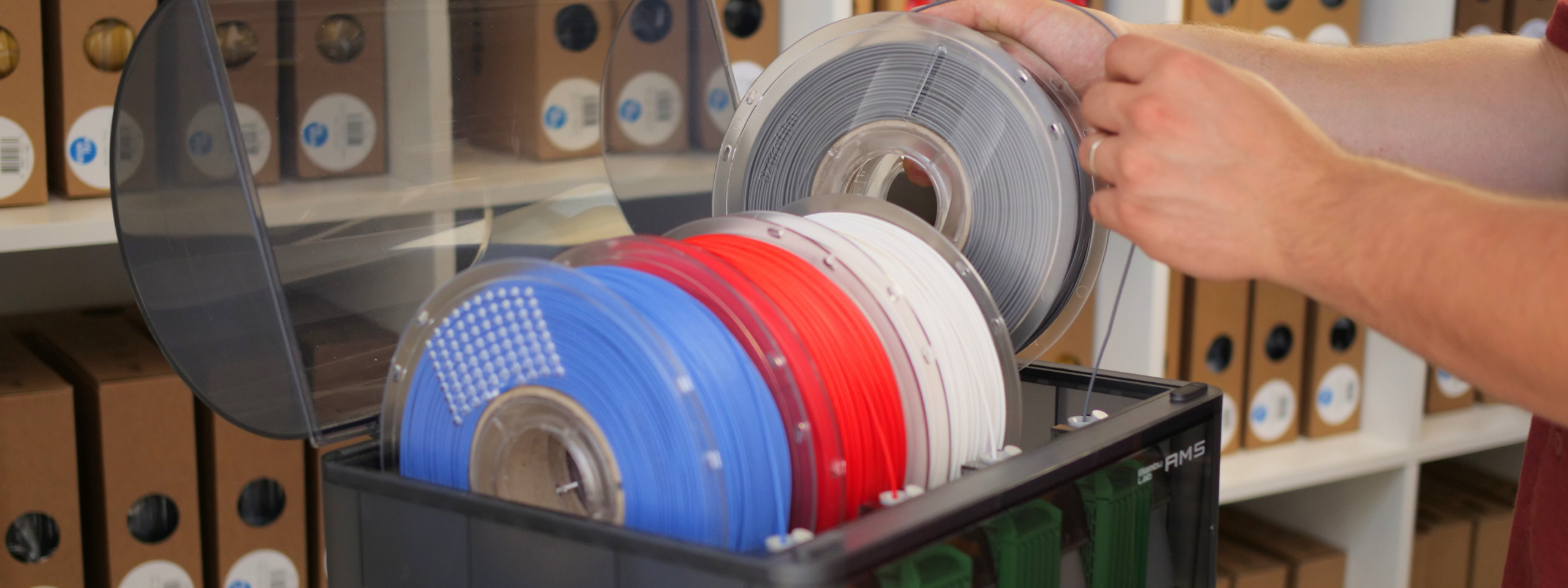
PLA material is often the first material people use when they get into 3D printing — and for good reason. It’s easy to print, widely available, and capable of producing clean, detailed results.
But PLA is much more than just a beginner filament.
From simple prototypes to high-end visual models, and from standard prints to advanced blends like matte, silk, or wood-filled filaments, PLA has evolved into one of the most versatile materials in 3D printing.
In this complete guide, we’ll walk you through everything you need to know about PLA: what it is, how it behaves, its strengths and limitations, different types available, and how to get the best results when printing.
What is PLA material?
PLA stands for Polylactic Acid, a thermoplastic made from renewable resources such as corn starch or sugarcane.
Unlike many other 3D printing materials that are derived from petroleum, PLA is biobased, which makes it a more environmentally conscious option — at least in terms of raw material sourcing.
One of the main reasons PLA became so popular is how easy it is to work with. It melts at relatively low temperatures, sticks well to the build plate, and does not require an enclosed printer.
In simple terms, PLA is the most accessible 3D printing filament: reliable, clean, and easy to use.
Key properties of PLA filament
PLA is known for its balanced combination of printability and visual quality. It’s a material that performs consistently, even on basic machines.
It doesn’t shrink much during cooling, which means fewer failed prints and less warping — something that can be frustrating with more technical materials.
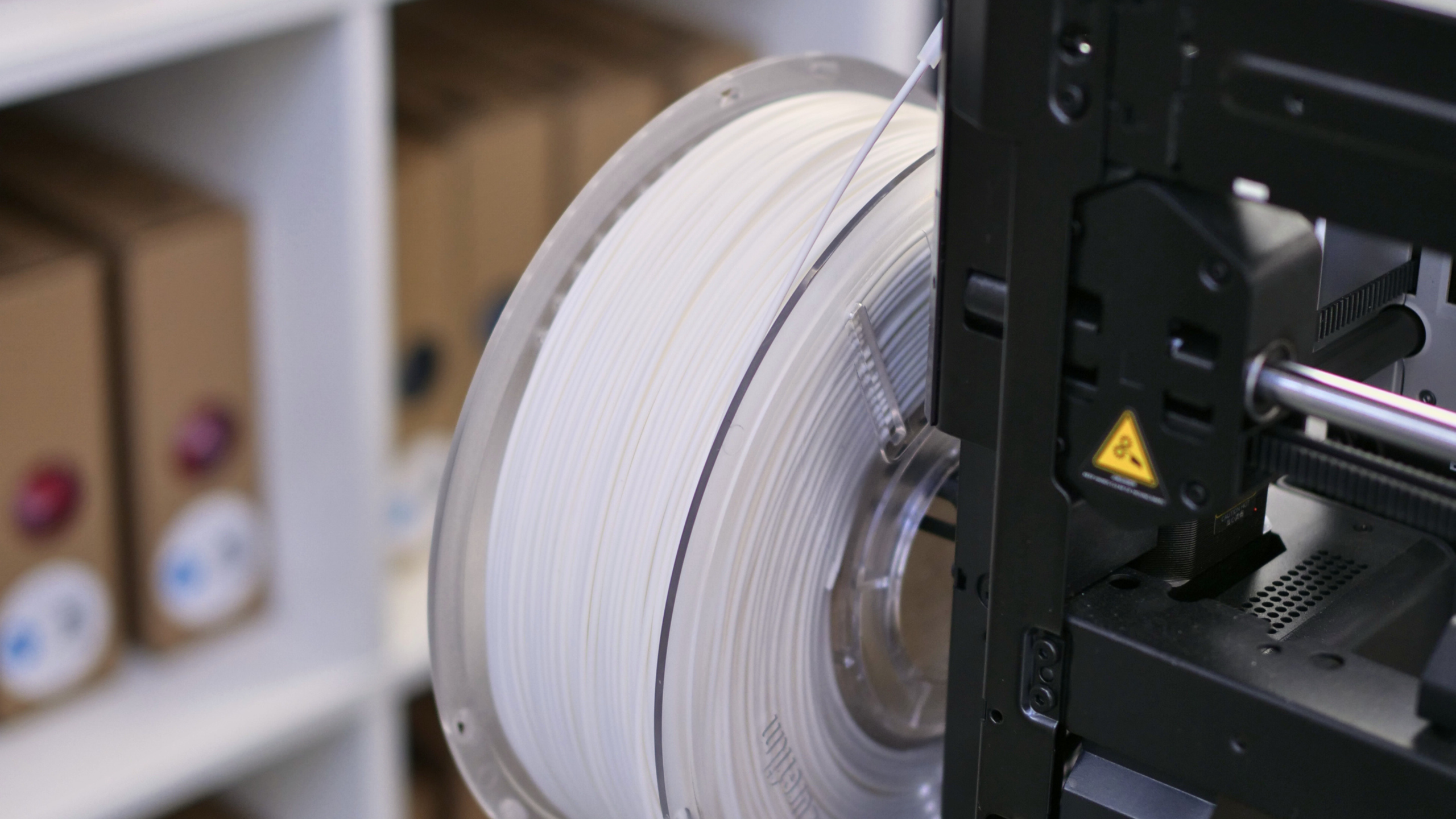
At the same time, PLA is quite rigid. It holds its shape well and produces sharp details, which is why it’s widely used for models and visual parts.
However, that rigidity also comes with a trade-off: PLA is more brittle than materials like PETG and has relatively low heat resistance.
In practice, this means PLA is perfect for indoor use and general-purpose printing, but less suitable for demanding environments.
Advantages of PLA filament
PLA is widely used because it removes many of the common barriers in 3D printing.
It’s forgiving, predictable, and produces good-looking results without requiring advanced tuning or specialised equipment.
For beginners, this means less troubleshooting. For experienced users, it means faster and more efficient workflows.
Another major advantage is the surface quality. PLA prints tend to come out clean, with well-defined edges and smooth layers, especially when cooling is properly set.
Some of the key benefits of PLA include:
- Easy and reliable printing
- Minimal warping
- No enclosure required
- Clean surface finish
- High detail accuracy
- Wide range of colors and styles
- Low odor during printing
- Compatible with most 3D printers
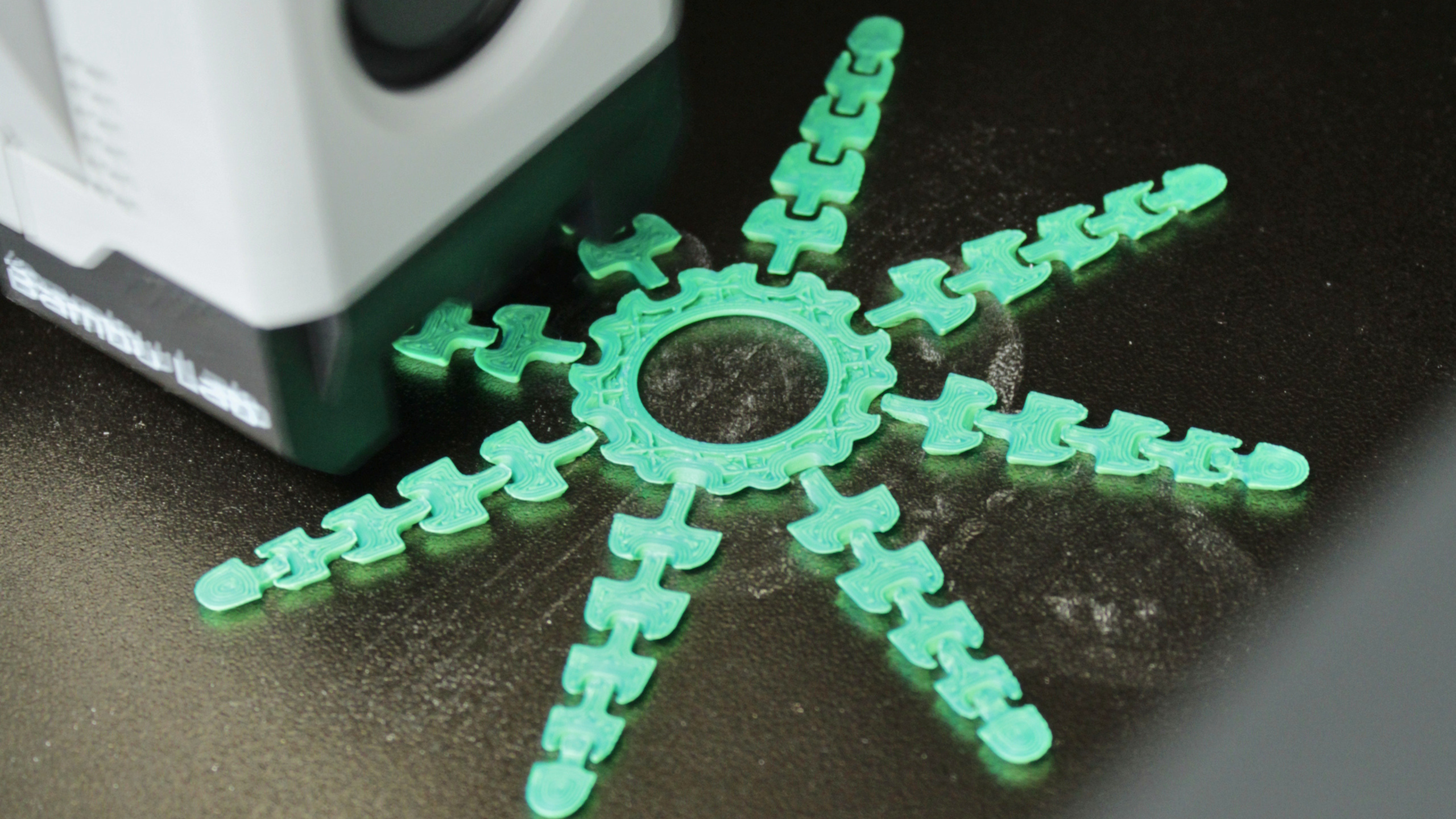
PLA is often the material you choose when you want things to work smoothly.
Limitations and drawbacks of PLA
Despite its strengths, PLA is not a universal solution.
The biggest limitation is heat resistance. PLA starts to soften at relatively low temperatures, which means it can deform if left in hot environments, such as inside a car or near heat sources.
It is also more brittle compared to materials like PETG. Instead of bending under stress, PLA is more likely to crack.
Another limitation is long-term durability, especially outdoors. PLA is not designed for prolonged exposure to sunlight, moisture, or temperature changes.
Because of this, PLA is best suited for indoor use or light-duty applications.
Types of PLA filament
PLA has come a long way from being just a simple “starter filament.” Today, it exists in many variations, each designed to offer a slightly different look, feel, or performance.
At its core, PLA is still the same base material, but manufacturers adjust the formulation to improve strength, change the surface finish, or create unique visual effects.
At AzureFilm, PLA is developed across several product lines, each tailored to different needs — from everyday printing to aesthetic showcase pieces.
Let’s go through the most important ones.
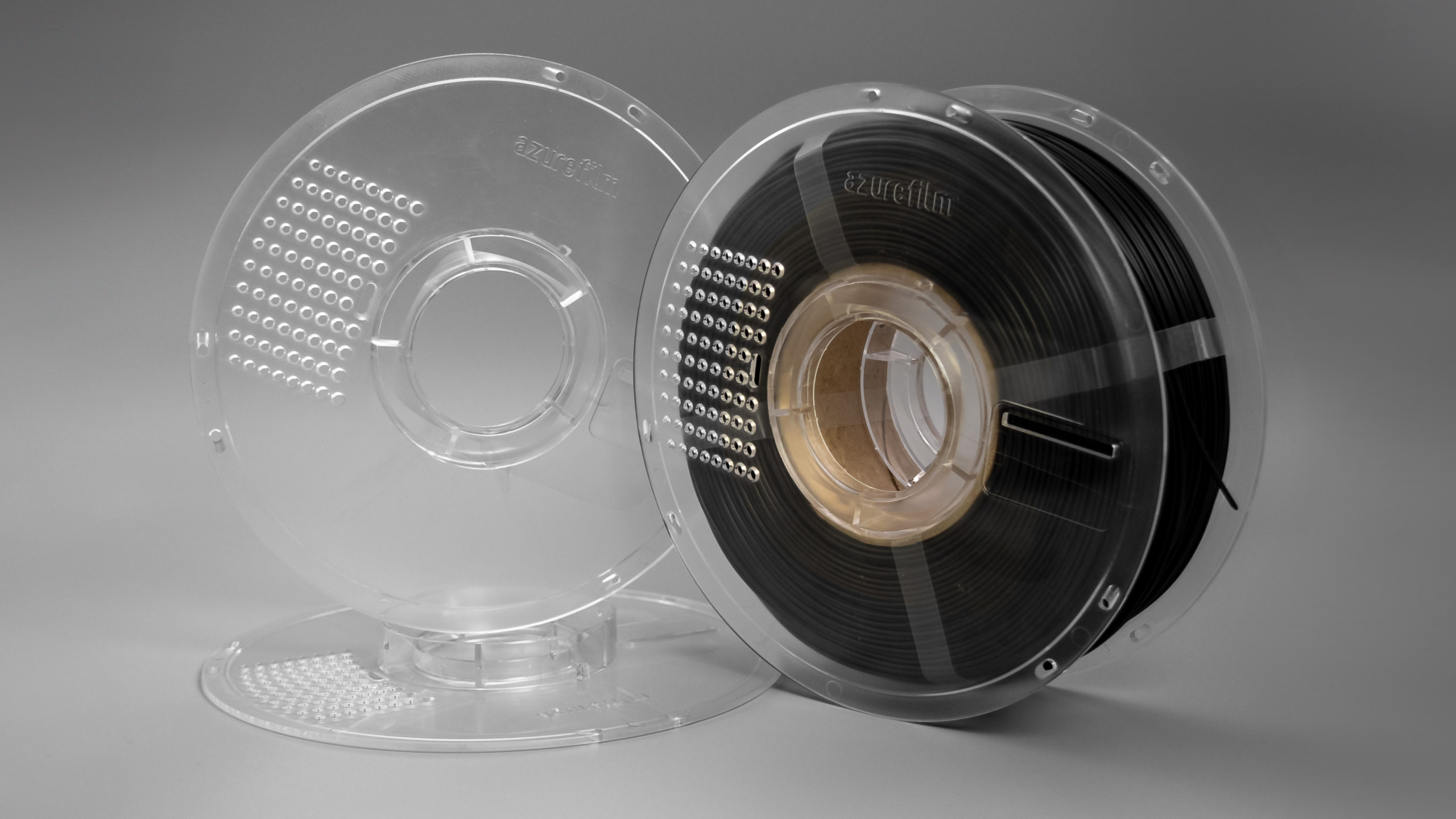
PLA Original
PLA Original is the foundation of everything. It’s the classic version of PLA — reliable, easy to print, and consistent across different printers.
If you’re new to 3D printing, this is where you start. It offers predictable behavior, good layer adhesion, and clean results without needing advanced tuning.
It’s also the go-to choice for:
- prototypes
- everyday prints
- educational use
- general-purpose parts
Think of it as the “default” PLA, simple, stable, and dependable.
PLA+
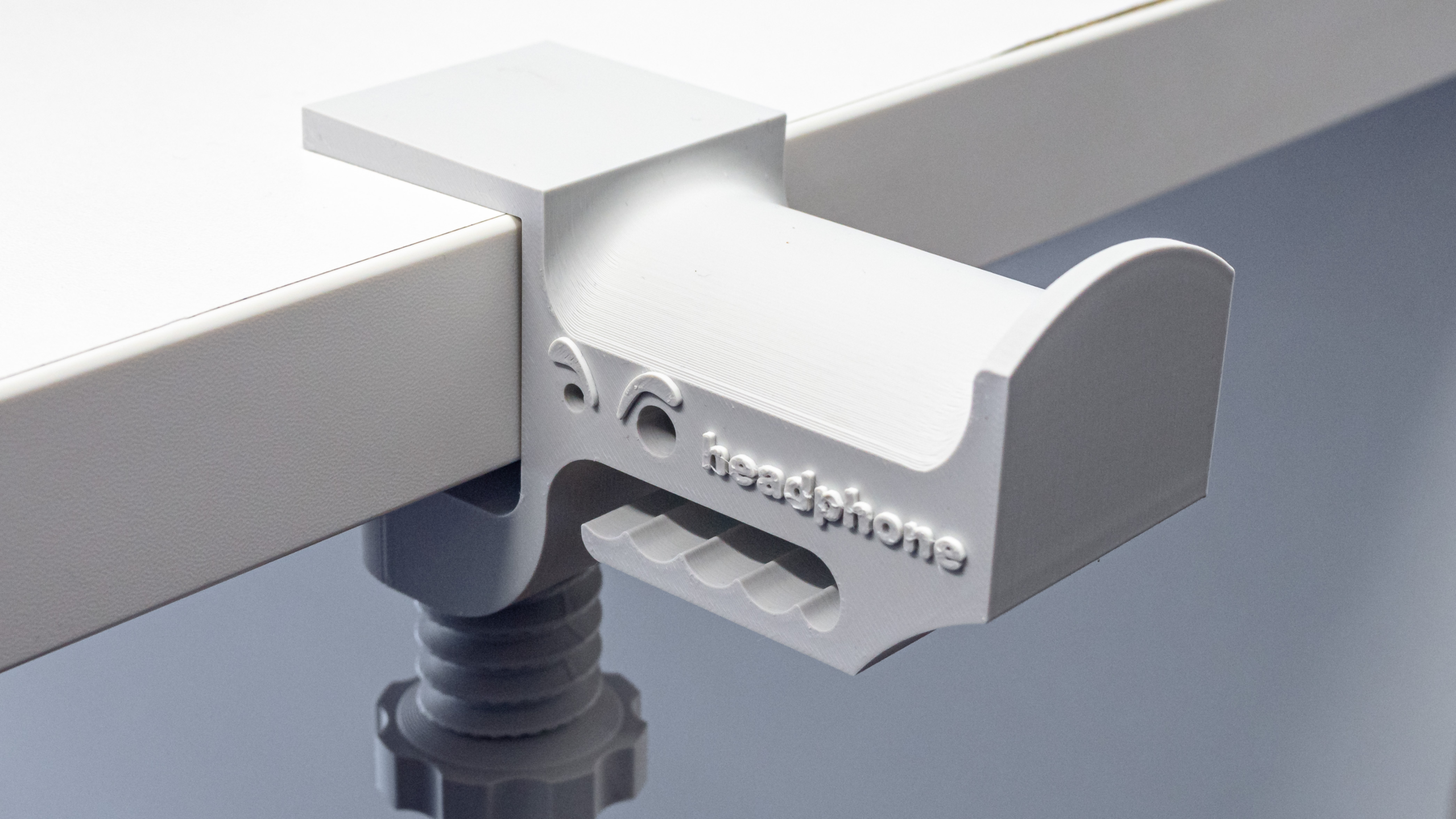
PLA+ is an upgraded version of standard PLA. It’s been modified to improve strength and reduce brittleness, while still keeping the ease of printing PLA is known for.
Compared to PLA Original, PLA+ feels more solid and durable in real use. It handles stress better and is less likely to crack under pressure.
This makes it a great choice when:
- Standard PLA feels too fragile
- You need more reliable functional parts
- You want better durability without switching to PETG
PLA+ is often the sweet spot between ease of use and performance.
PLA Matte HS
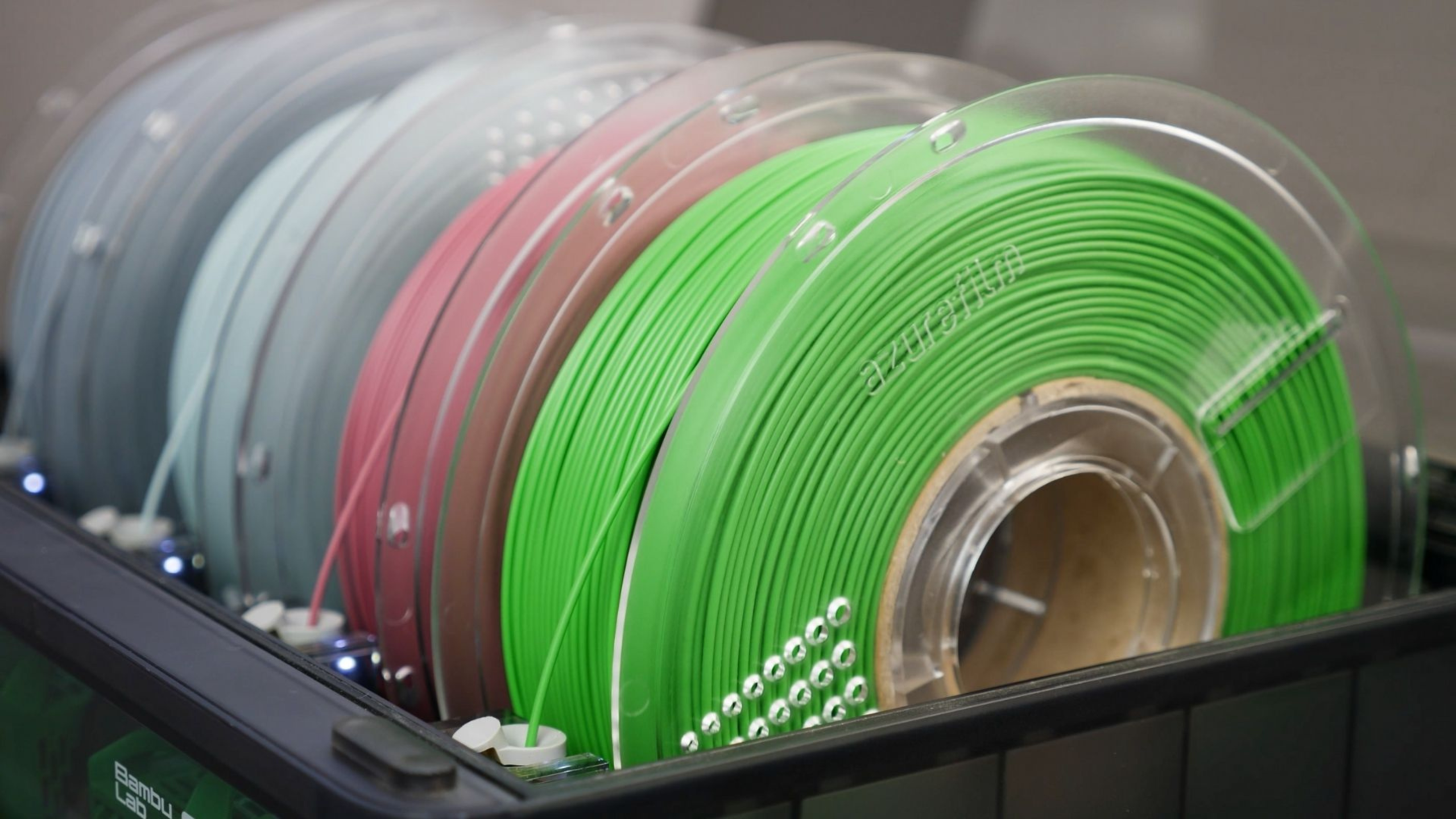
PLA Matte HS focuses on appearance, but in a very refined way.
Instead of a glossy finish, it offers a soft, matte surface that hides layer lines and gives prints a more professional, almost “injection-moulded” look.
The HS (High Speed) aspect also means it’s optimized for faster printing, which is becoming more important with modern printers.
Matte PLA is perfect when:
- aesthetics matter
- you want clean, minimal-looking prints
- you’re printing design objects or models
It’s one of those materials that instantly makes prints look more premium.
Silk PLA & Silk Rainbow
Silk PLA is all about visual impact.
It contains special additives that create a smooth, glossy, almost metallic shine. Prints come out looking polished straight off the printer, without needing post-processing.
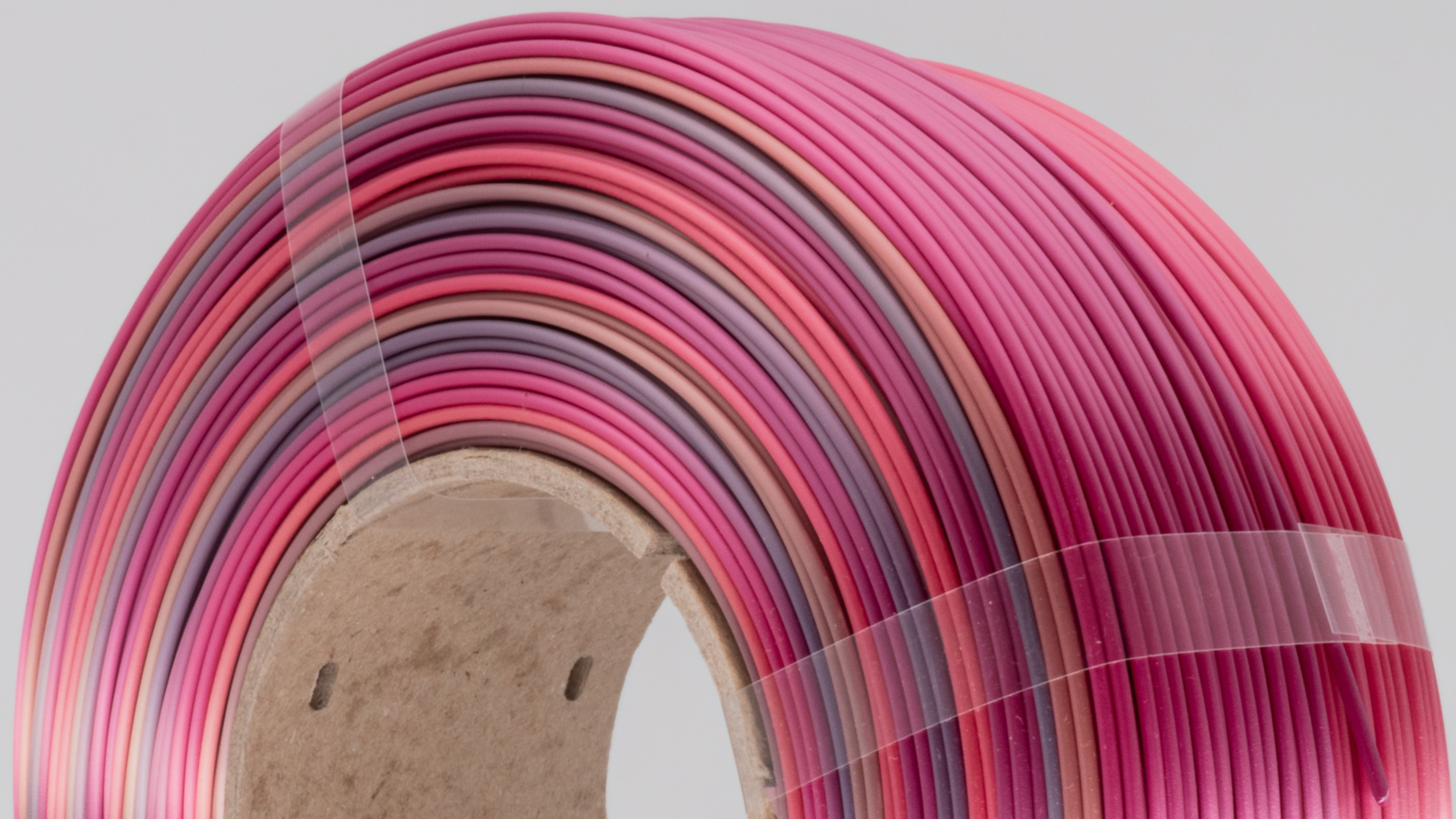
Silk Rainbow takes this a step further by blending multiple colors into one filament. As you print, the color gradually shifts, creating unique gradient effects.
These materials are ideal for:
- decorative objects
- figurines
- gifts
- display pieces
If you want your prints to stand out visually, silk PLA is the way to go.
PLA Silk Multicolor
Multicolor PLA is designed to create dynamic prints with changing colors throughout the spool.
Unlike rainbow PLA, which transitions gradually, multicolor filaments can create more varied and sometimes sharper color changes depending on the model.
This makes every print slightly unique.
It’s a great choice for:
- creative projects
- artistic models
- eye-catching designs
Multicolor PLA adds an extra dimension to your prints without any extra work.
PLA Pastel
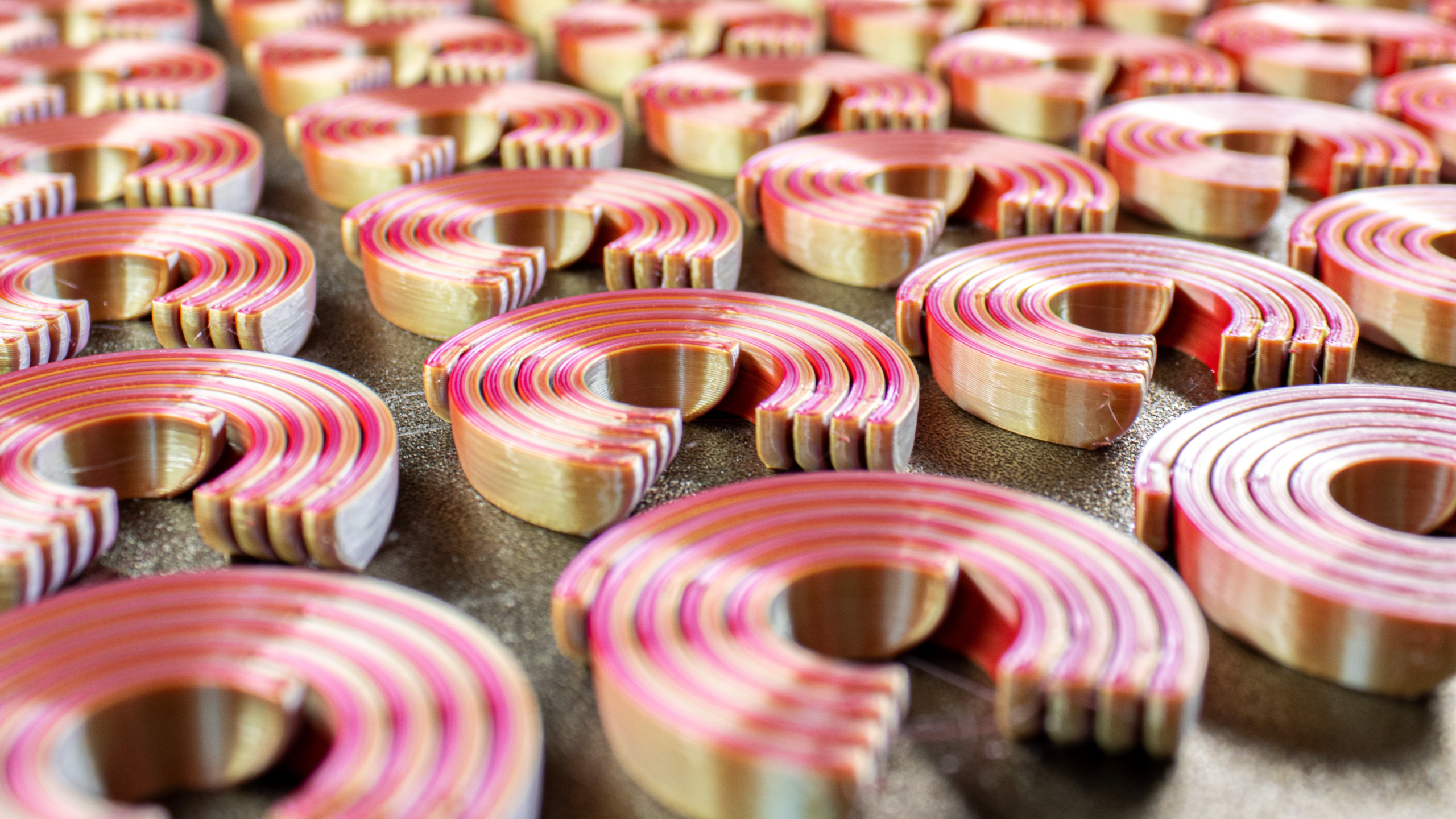
Pastel PLA focuses on softer, more subtle color tones.
Instead of strong, saturated colors, you get light, calm shades that are especially popular for modern design, lifestyle products, and decorative items.
It’s often used for:
- minimalistic designs
- home decor
- aesthetic prints
- product mockups
Pastel colors bring a different mood to 3D printing — more refined, less industrial.
LumberLay (PLA Wood)
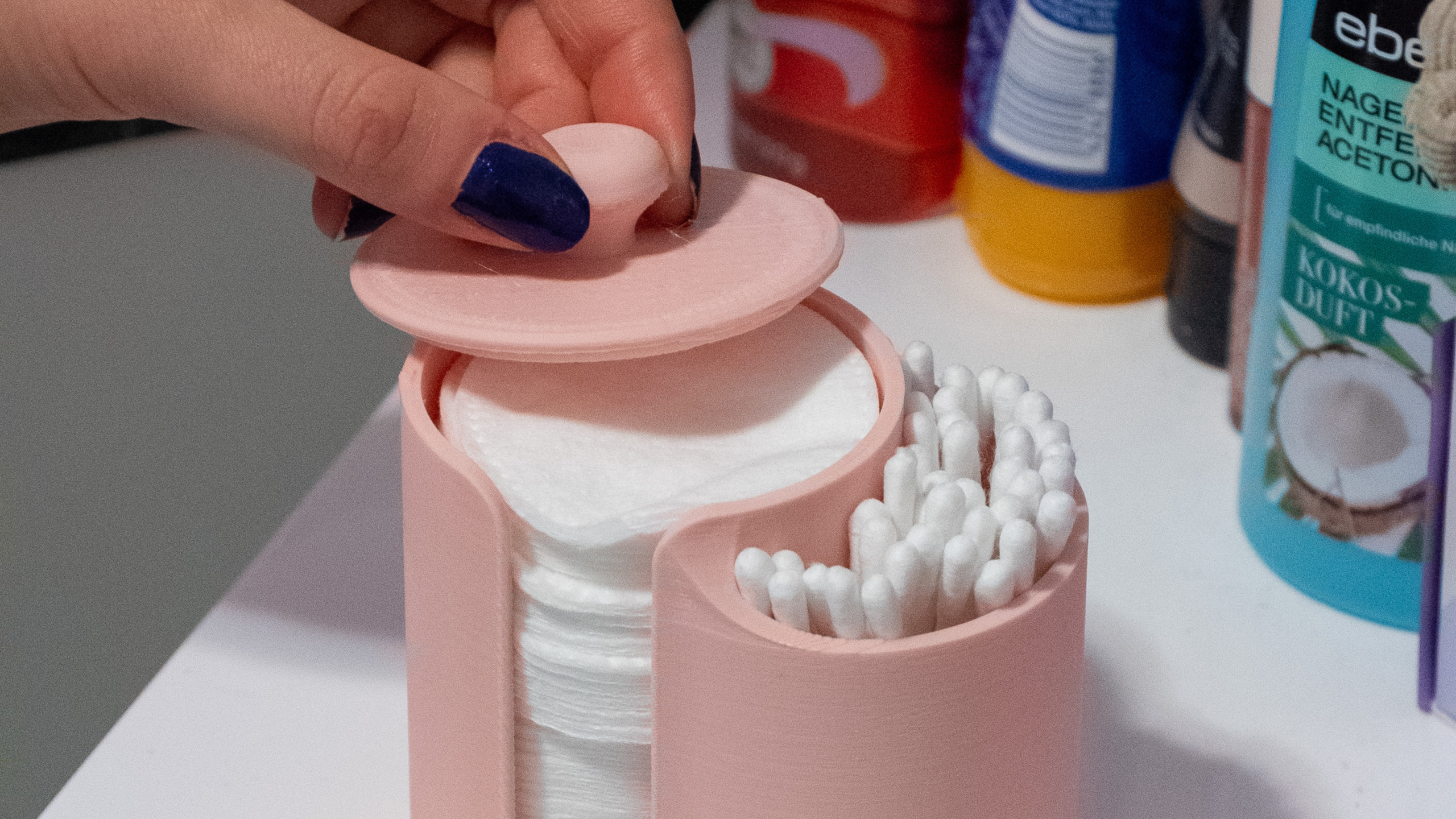
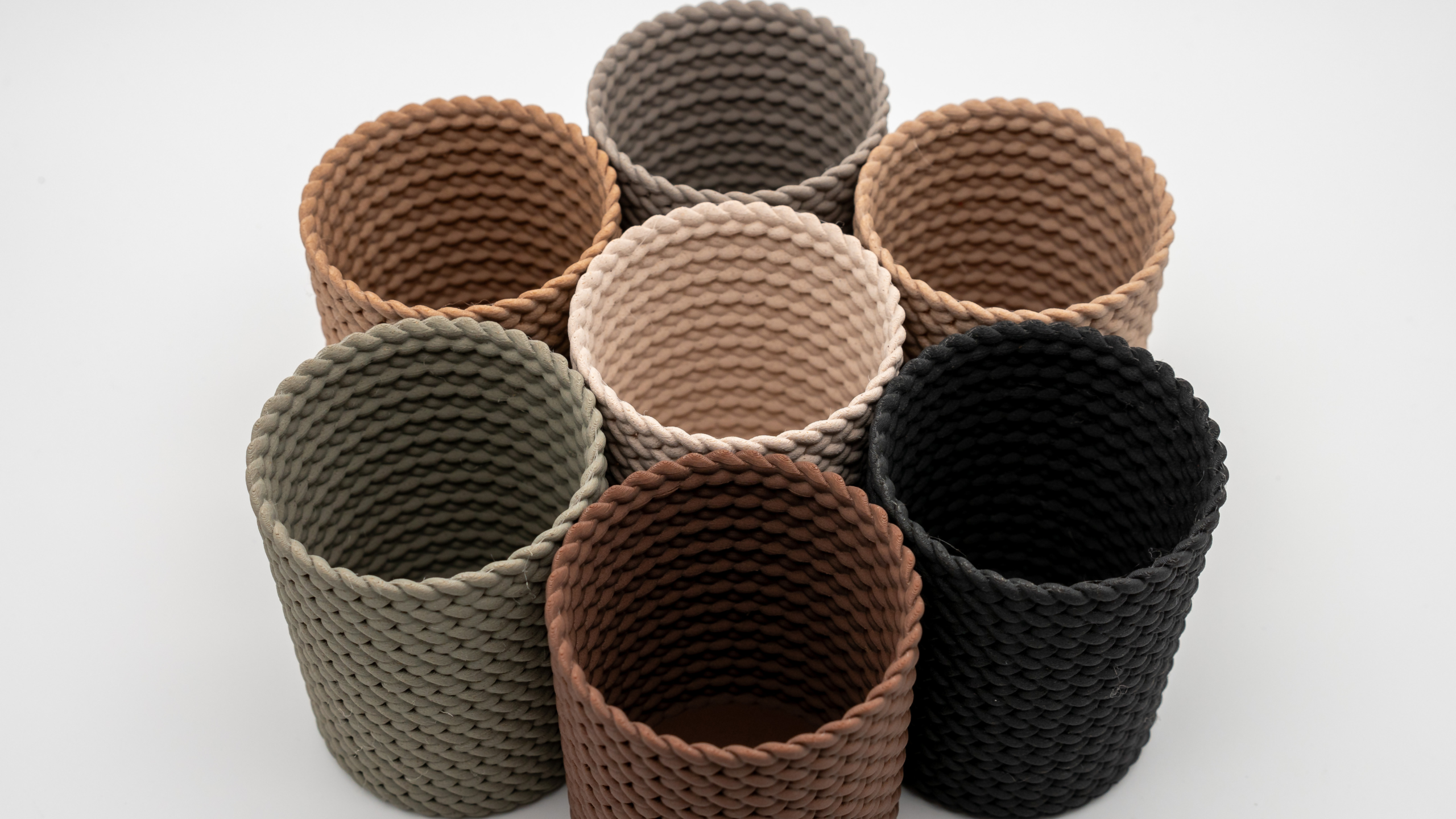
LumberLay is a PLA-based filament blended with wood fibres, designed to mimic the look and feel of real wood.
Printed parts have a natural texture and can even be lightly sanded to enhance the effect.
This makes it perfect for:
- decorative objects
- furniture concepts
- artistic prints
- nature-inspired designs
It’s one of the most unique PLA variations, especially when you want something that doesn’t look like plastic at all.
And more…
These are just some of the most popular PLA types, but the range continues to grow as new blends and finishes are developed.
You can explore the full range of PLA filaments here.
How to choose the right PLA type
If you’re not sure which PLA to pick, a simple rule helps:
- For reliability → PLA Original
- For strength → PLA+
- For aesthetics → Matte or Silk
- For creativity → Multicolor or Rainbow
- For unique textures → LumberLay
Choosing the right type depends less on technical limitations, and more on what you want your final print to look and feel like.
Common applications of PLA filament
PLA is used across a wide range of industries and use cases. Because it is easy to print and produces high-quality results, it is often the first choice for prototypes and visual models.
Typical PLA applications include:
- Prototypes
- Decorative objects
- Figurines and models
- Educational projects
- Product design
- Architectural models
- Hobby printing
- Display parts
- Light-use functional components
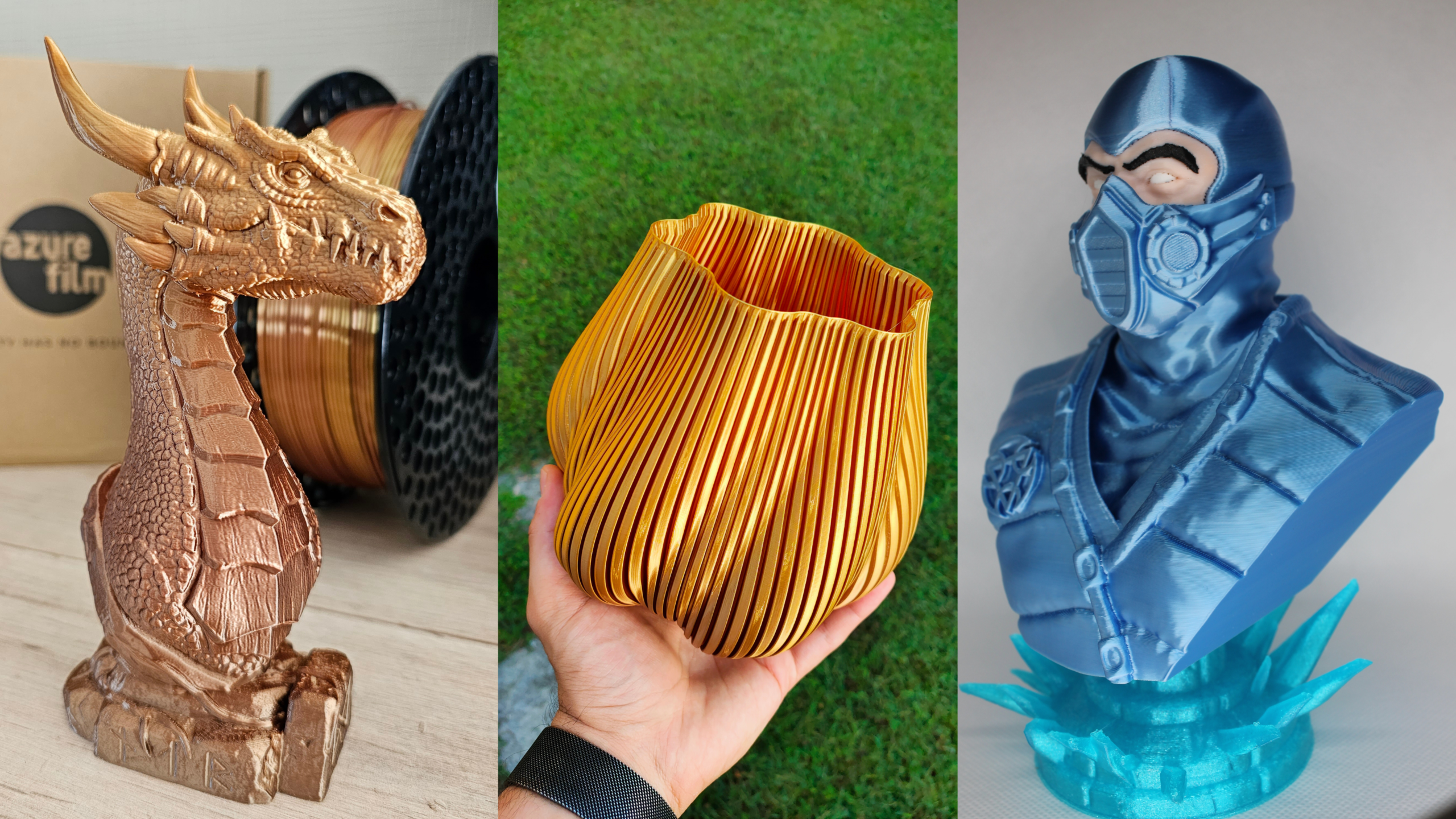
PLA is ideal when you need good-looking results quickly and reliably.
PLA printing recommendations
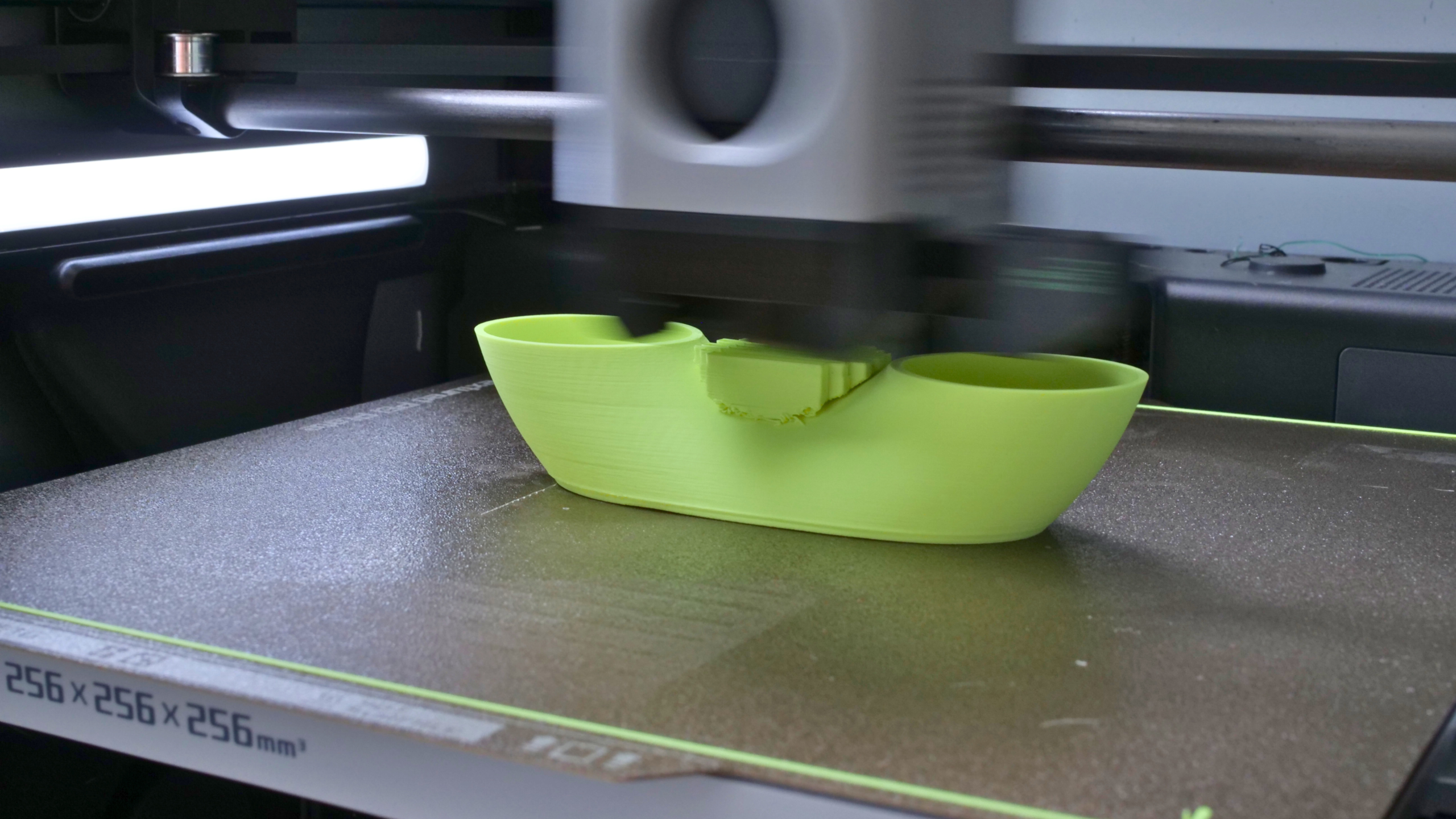
Although PLA is easy to print, a few adjustments can significantly improve results.
It performs best with good cooling, moderate temperatures, and clean bed adhesion.
Recommended settings
- Nozzle temperature: 190–220°C
- Bed temperature: 0–60°C
- Cooling: High
- Print speed: Medium to high
- Retraction: Moderate
Tips for better PLA prints
- Use strong part cooling for sharper details.
- Keep filament dry to avoid stringing.
- Adjust the temperature to reduce oozing.
- Clean the build plate regularly.
- Slow down for high-detail prints.
- Avoid overheating.
PLA is forgiving, but small improvements make a big difference.
Is PLA environmentally friendly?
PLA is often described as an eco-friendly material because it is made from renewable resources.
However, it is important to understand that PLA is industrially biodegradable, which means it requires specific conditions to break down properly.
It is still a more sustainable option compared to many petroleum-based plastics, but it is not a perfect solution.
When should you use PLA?
PLA is the best choice when:
- You are a beginner.
- You want easy and reliable printing.
- You need high detail and clean surfaces.
- The part will be used indoors.
- Heat resistance is not required.
When should you avoid PLA?
PLA is not ideal when:
- The part will be exposed to heat.
- You need flexibility.
- The part must handle mechanical stress.
- The print will be used long-term outdoors.
Frequently asked questions
Is PLA good for beginners?
Yes, PLA is the best filament for beginners due to its ease of use and reliability.
Is PLA strong enough for functional parts?
For light-duty parts, yes. For more demanding applications, PETG or ABS is better.
Does PLA melt easily?
PLA softens at relatively low temperatures (around 50–60°C).
Can PLA be used outdoors?
Only for short-term use. It is not ideal for long-term outdoor exposure.
Is PLA safe to print indoors?
Yes, PLA produces minimal odor and is considered safe for indoor printing.
Conclusion
PLA remains the most widely used 3D printing filament for a reason.
It is easy to print, versatile, affordable, and capable of producing high-quality results across a wide range of applications.
While it has limitations in heat resistance and durability, its simplicity and reliability make it an essential material for both beginners and experienced users.
If you are just starting out, PLA is the best place to begin. If you already have experience, PLA still offers endless possibilities through its many variations.
Share


 Previous post

