


My Cart (0)
Table of Contents


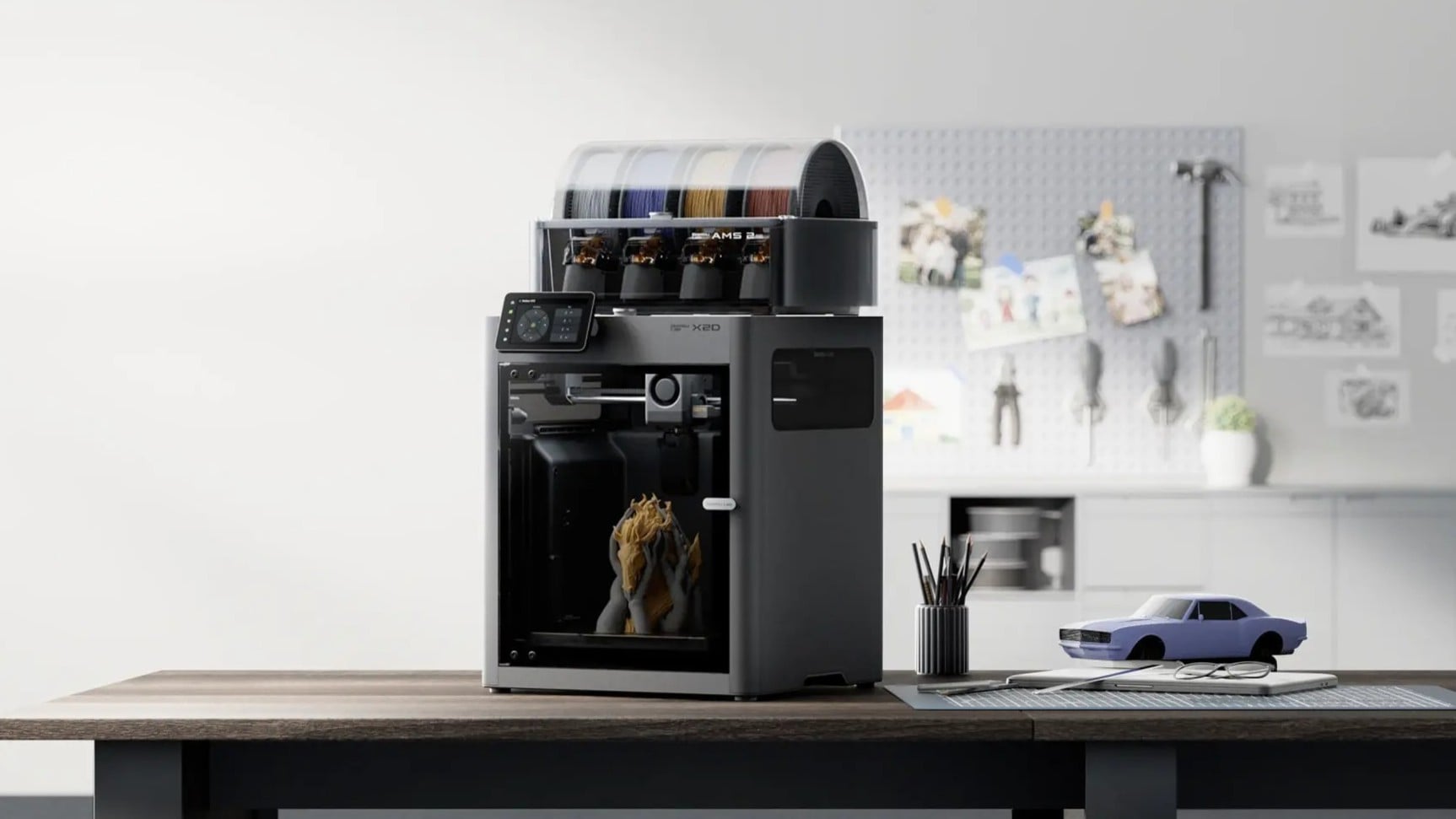
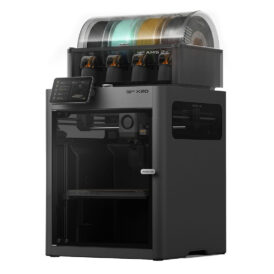
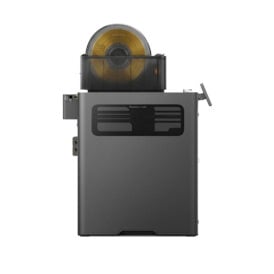
Meet the Bambu Lab X2D
Over the past few years, Bambu Lab has redefined what users expect from desktop 3D printers. Features like high-speed printing, reliability, and automation are no longer reserved for industrial systems; they’ve become part of the everyday workflow. With the X2D, this philosophy evolves into something even more refined.
The Bambu Lab X2D doesn’t rely on a single standout feature. Instead, it delivers a balanced, well-integrated system where motion control, extrusion, and material handling work seamlessly together. From the very first print, the experience feels consistent and predictable, less like experimenting, and more like using a tool you can rely on.
Built for performance that feels effortless
What immediately sets the X2D apart is how naturally it handles speed. In many 3D printers, pushing higher speeds introduces compromises—visible artefacts, weaker parts, or inconsistent layers. Here, those issues are significantly reduced.
Thanks to its refined motion system and stable extrusion, the X2D maintains control even under demanding conditions. This allows you to print faster without sacrificing surface quality or strength, which becomes especially valuable when working on tight timelines or running multiple prints in sequence.
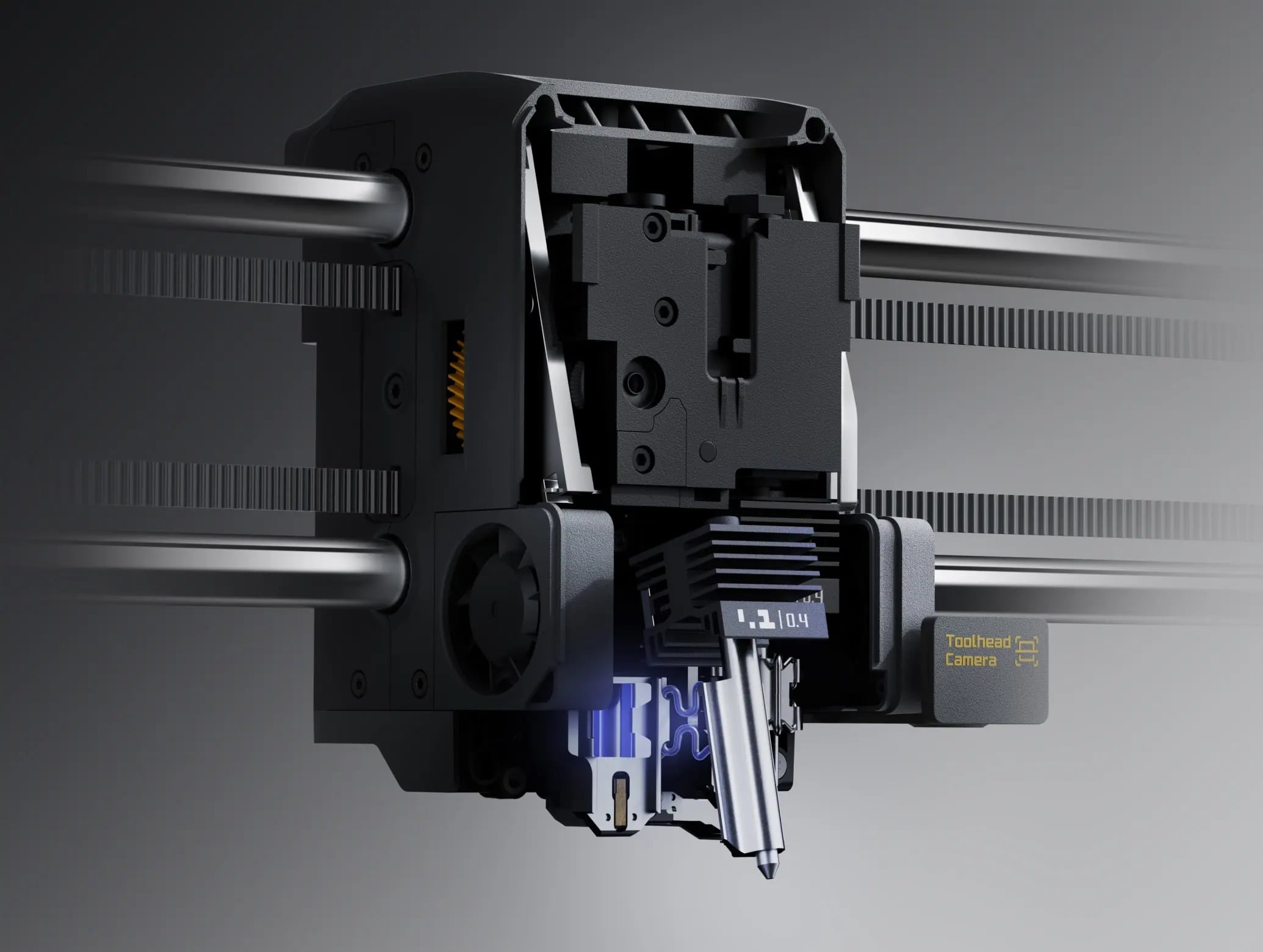
Instead of constantly adjusting profiles to stay “safe,” you can operate with confidence across a much wider performance range.
Multi-material printing
Multi-material printing has often sounded better in theory than in practice. The Bambu Lab X2D changes that by making it feel like a natural part of the workflow rather than an added complication.
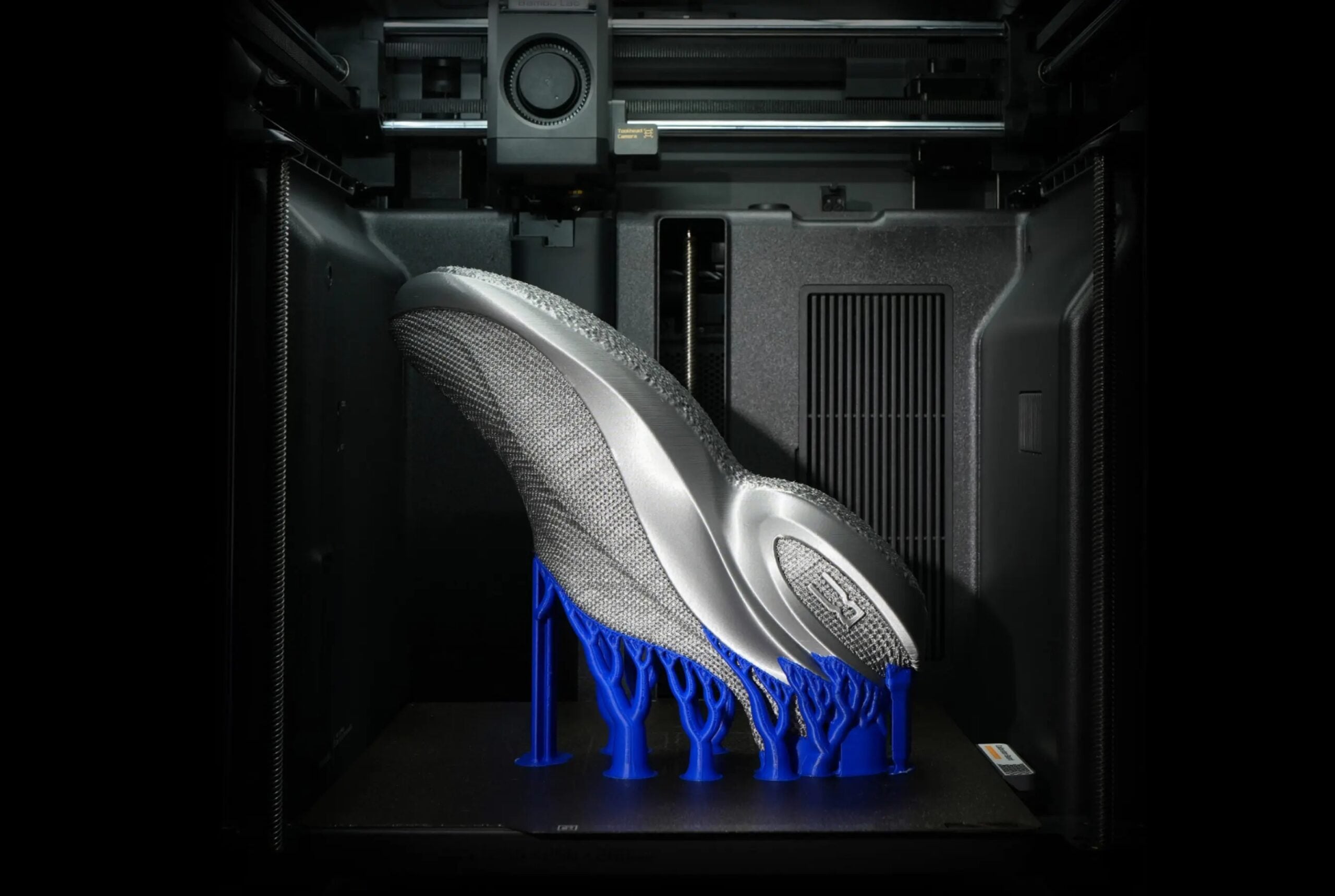
Transitions between materials are smooth and reliable, which means you can confidently explore multi-color prints, soluble supports, or material combinations without unnecessary trial and error. This opens up more creative and functional possibilities—from detailed visual models to complex geometries that require precision support structures.
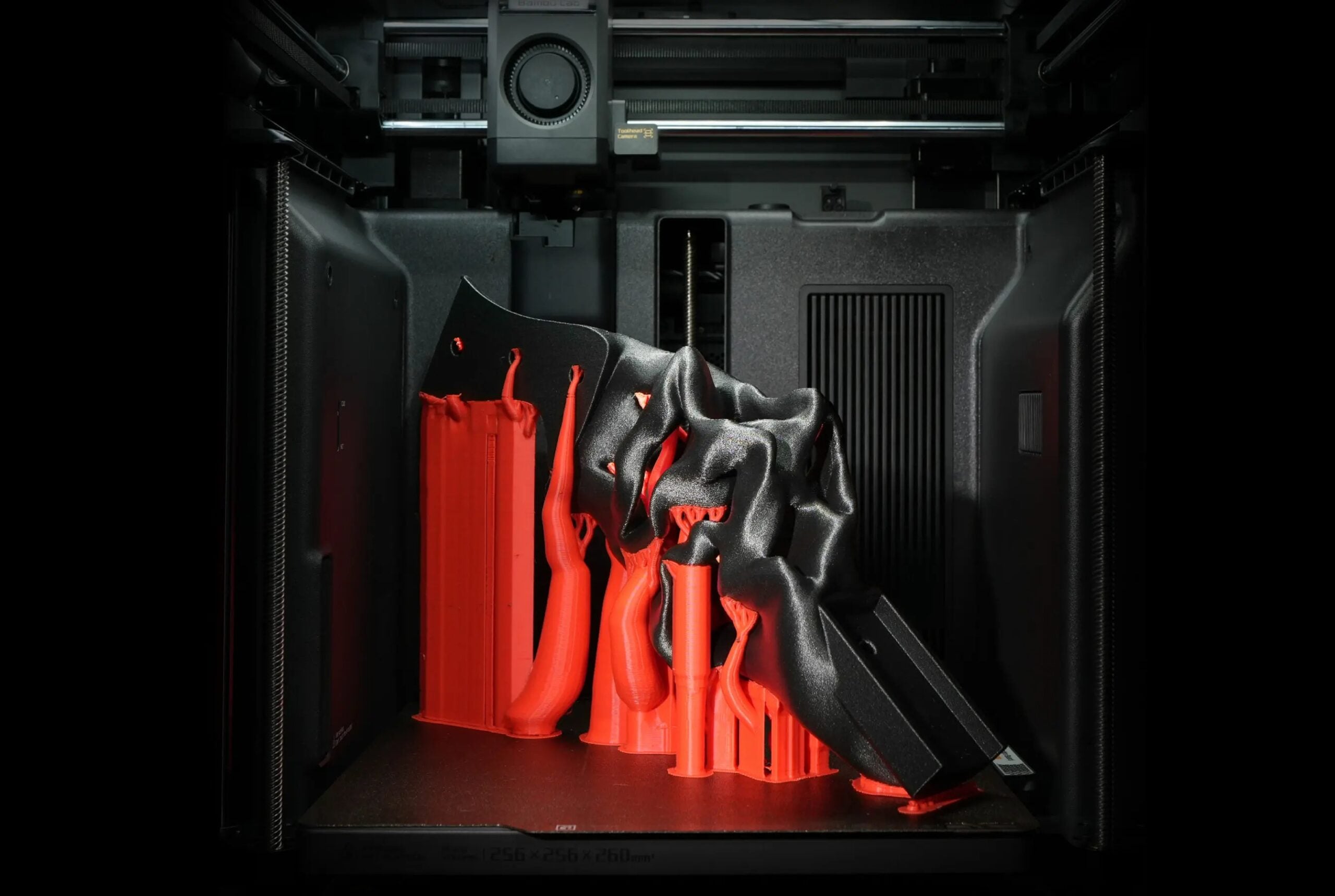
At this point, the X2D stops feeling like just a fast printer and starts functioning as a versatile production tool.
Automation that works in the background
One of the most noticeable improvements in modern 3D printing is how much the machine can handle on its own—and the X2D fully embraces this.
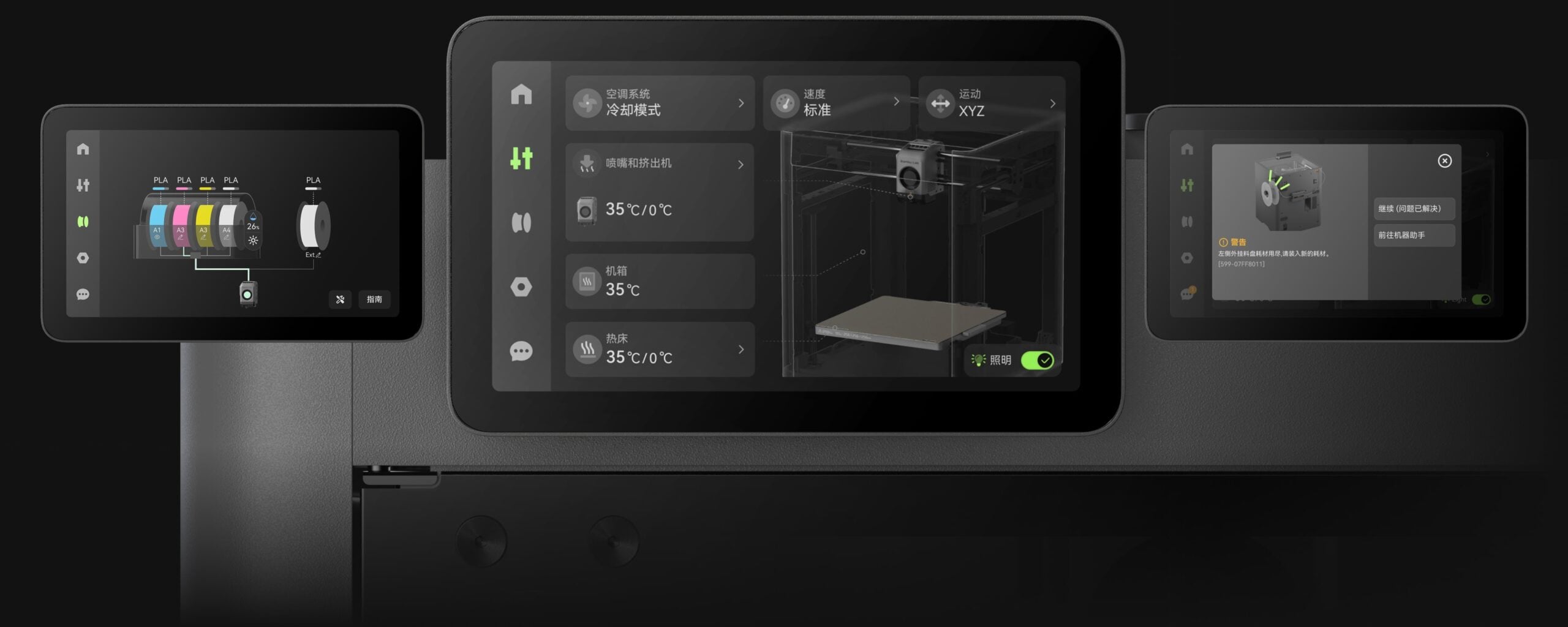
Processes like automatic bed leveling, calibration, and real-time monitoring are handled in the background, reducing the need for manual intervention. Instead of constantly checking and adjusting, you can focus on the output itself.
What makes this especially valuable is how seamlessly it fits into the workflow. The printer doesn’t interrupt you—it supports you. Over time, this leads to fewer failed prints, less wasted material, and a much smoother overall experience.
Designed for more than just PLA
While many printers perform best with basic materials, the X2D is clearly designed for a broader range. Its enclosed build environment creates stable printing conditions, which are essential when working with more demanding filaments.
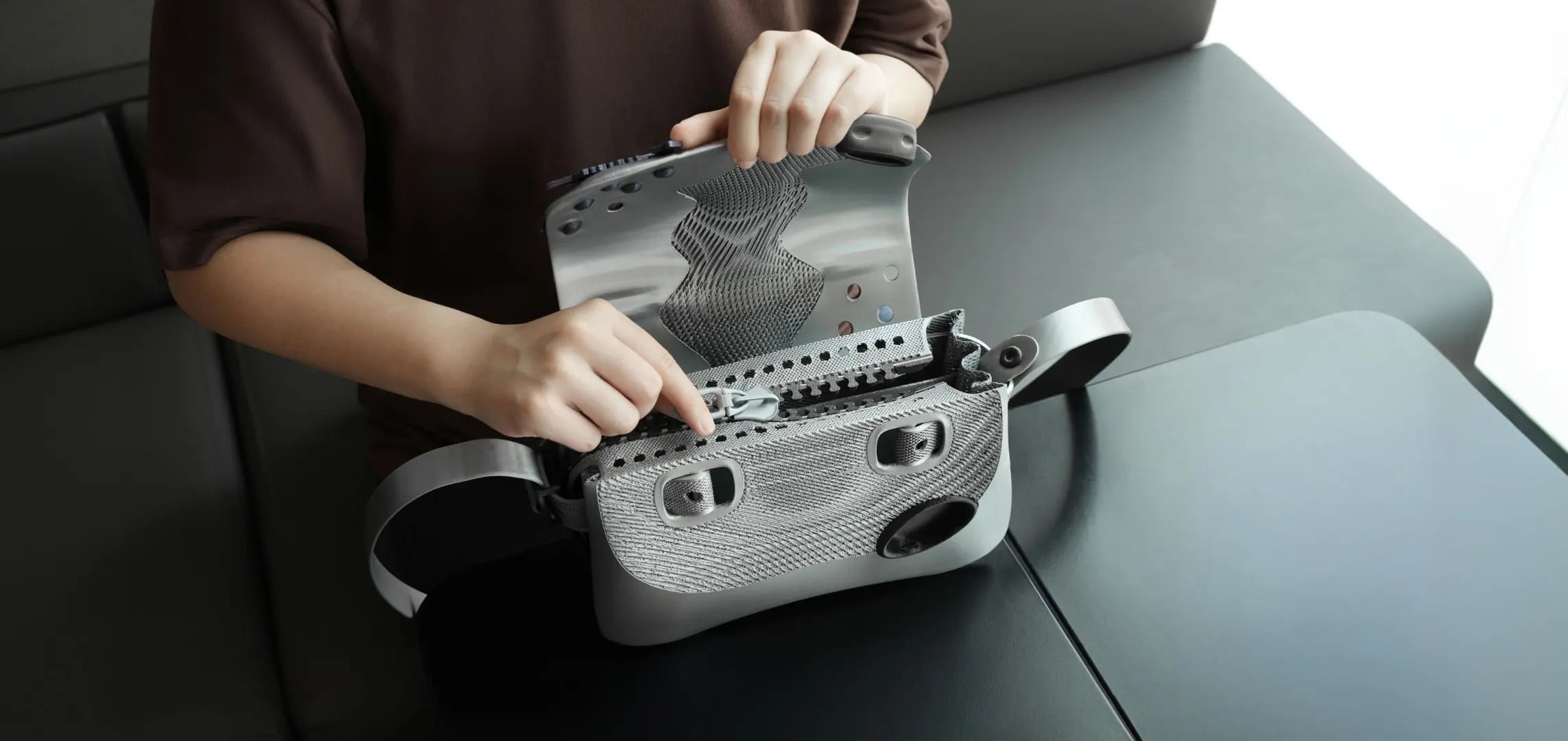
Materials like PETG and ABS benefit from improved layer adhesion and reduced warping, making the printer suitable not only for visual models but also for functional, real-world parts. At the same time, the enclosed system contributes to a cleaner and safer workspace, whether you’re printing at home or in a professional setting.
How it compares: X2D vs H2S & H2D
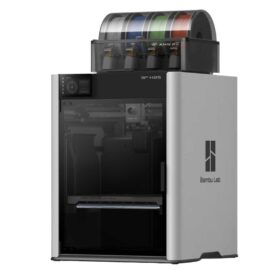
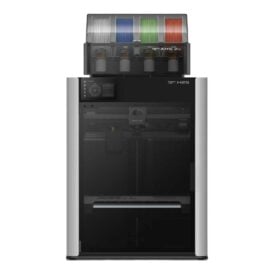
With newer models like the Bambu Lab H2S and Bambu Lab H2D entering the scene, it’s worth putting the X2D into perspective.
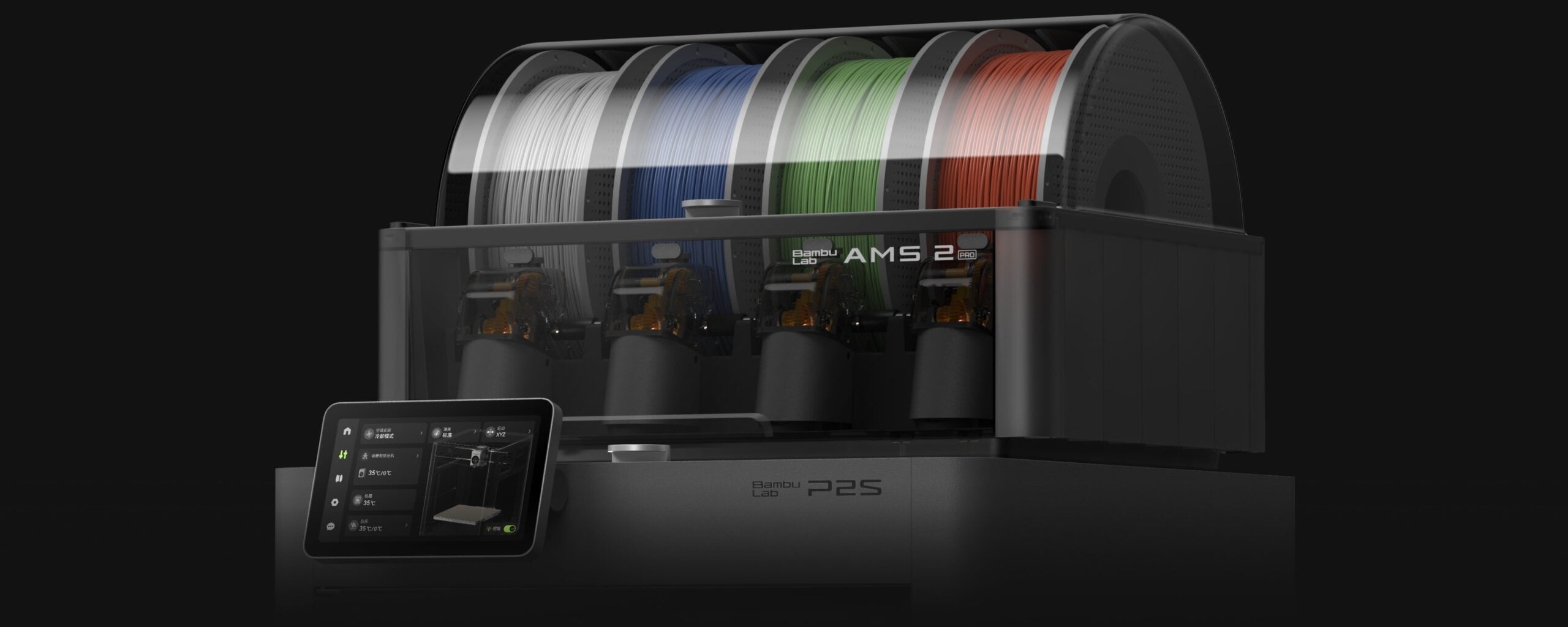
X2D vs H2S
The H2S is designed to push speed and accessibility even further, often targeting users who want fast results with minimal setup. While it may offer slightly more streamlined workflows, the X2D still stands out with its more balanced performance, especially when it comes to multi-material reliability and consistent quality across longer print jobs.
X2D vs H2D
The H2D leans more toward next-gen automation and potentially even higher throughput. However, the X2D hits a sweet spot—it offers professional-grade features without overcomplicating the experience. For many users, that balance makes it the more practical choice.
In short, while newer models push boundaries in specific areas, the X2D remains one of the most well-rounded and dependable options in the lineup.
Getting the best results
To fully unlock the potential of the Bambu Lab X2D, using consistent, high-quality filament is essential—especially when printing at higher speeds or switching between materials.
Reliable filament ensures smooth extrusion, strong layer bonding, and fewer interruptions, which becomes increasingly important during longer or more complex prints. It’s a simple factor, but one that directly impacts how much of the printer’s performance you can actually utilize.
Final thoughts
The Bambu Lab X2D doesn’t try to reinvent 3D printing—it refines it. By focusing on consistency, usability, and real-world performance, it delivers a machine that feels complete rather than experimental.
In a market that constantly pushes for faster and more advanced technology, the X2D stands out by doing something equally important: making that performance reliable, repeatable, and easy to use every day.
For makers, professionals, and businesses alike, it represents a clear step toward a more efficient and dependable 3D printing workflow.
Share


 Previous post