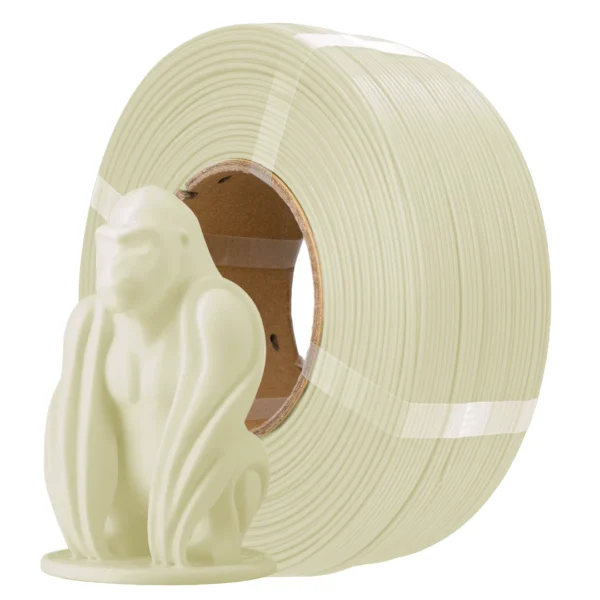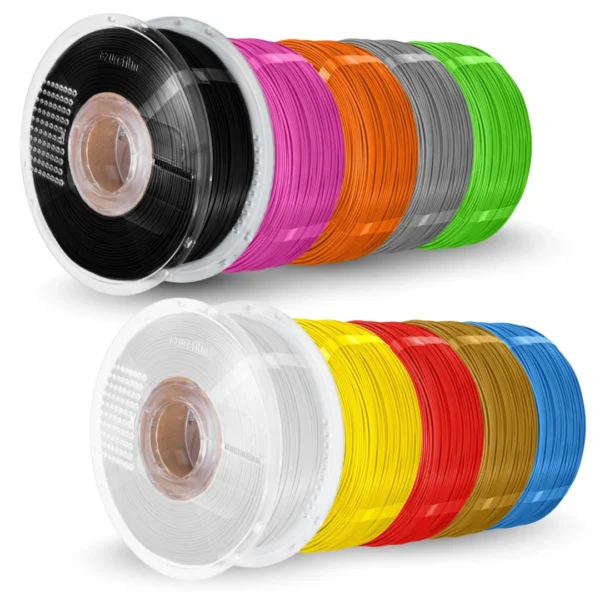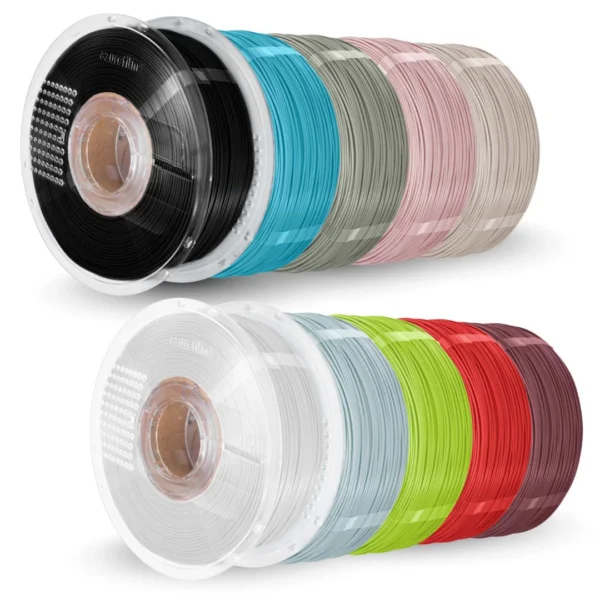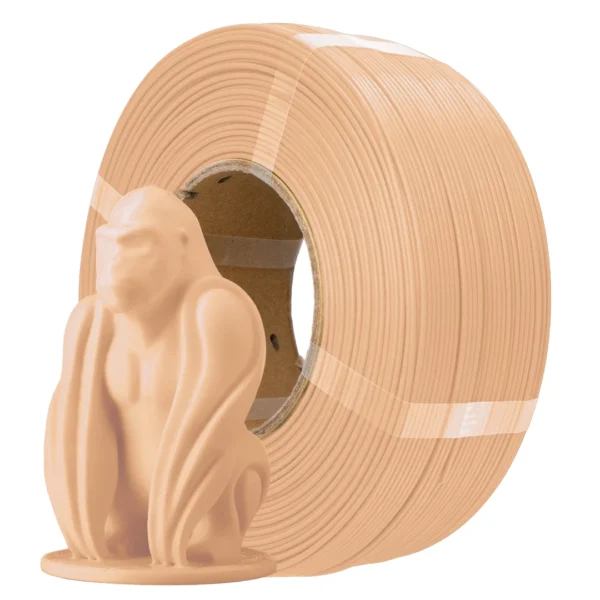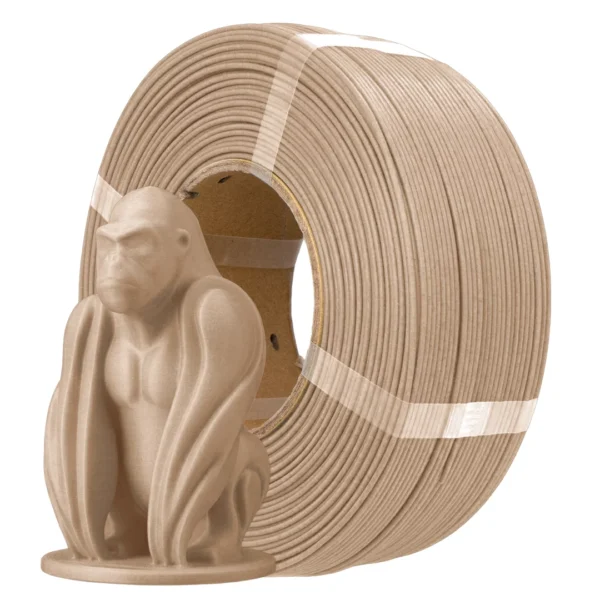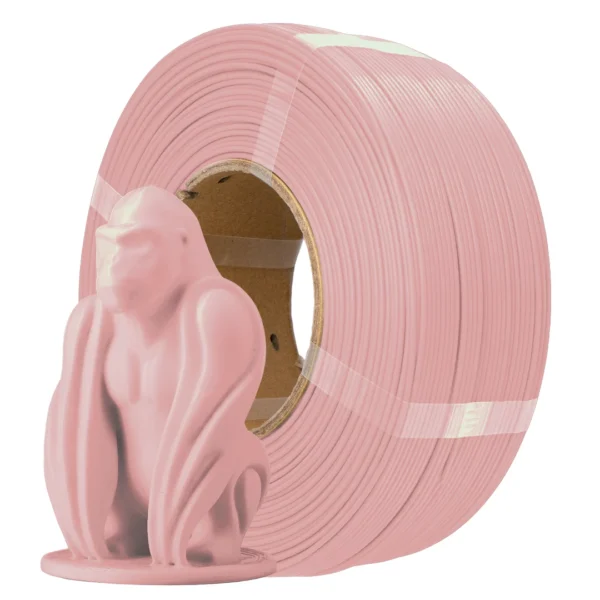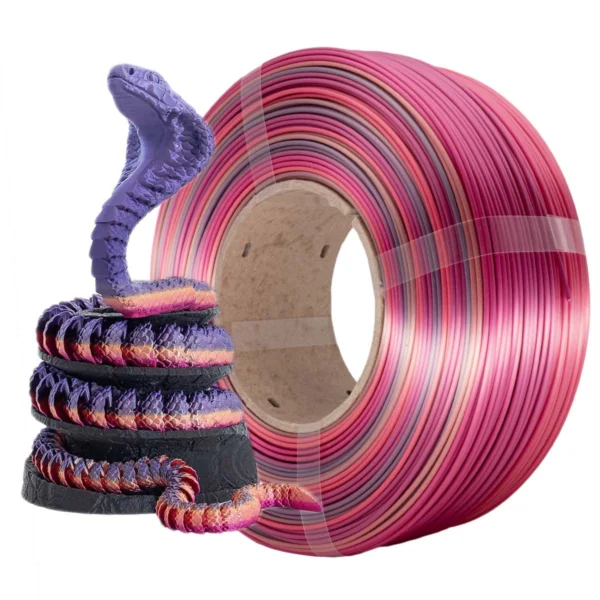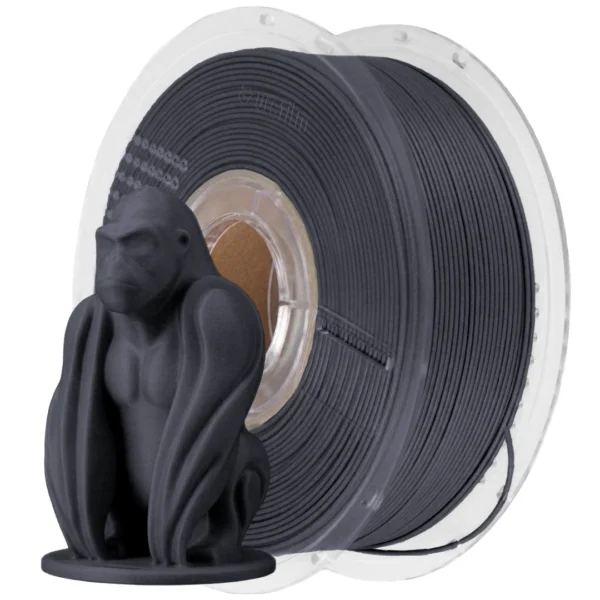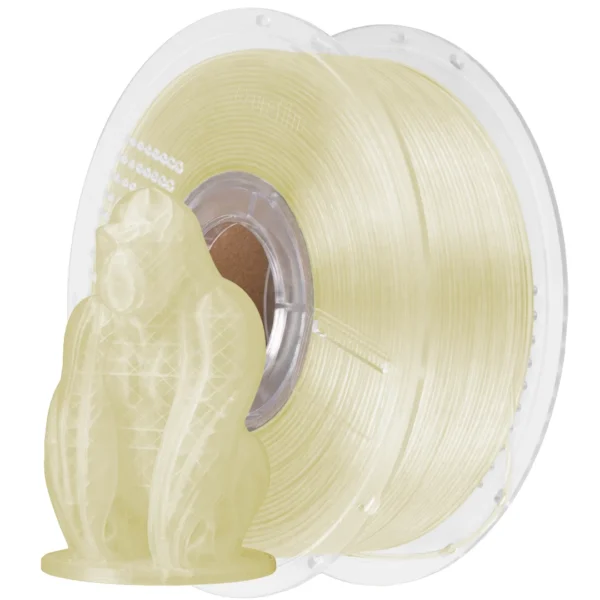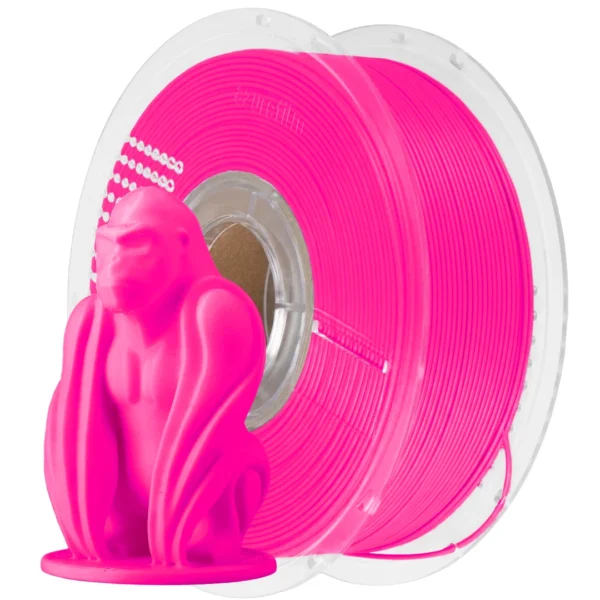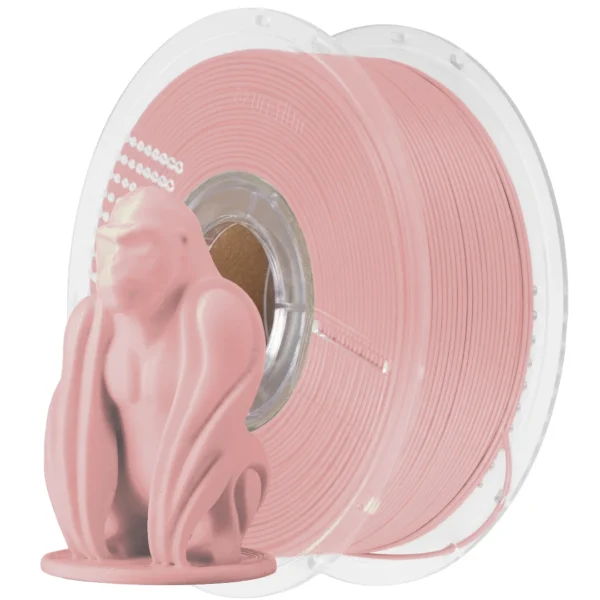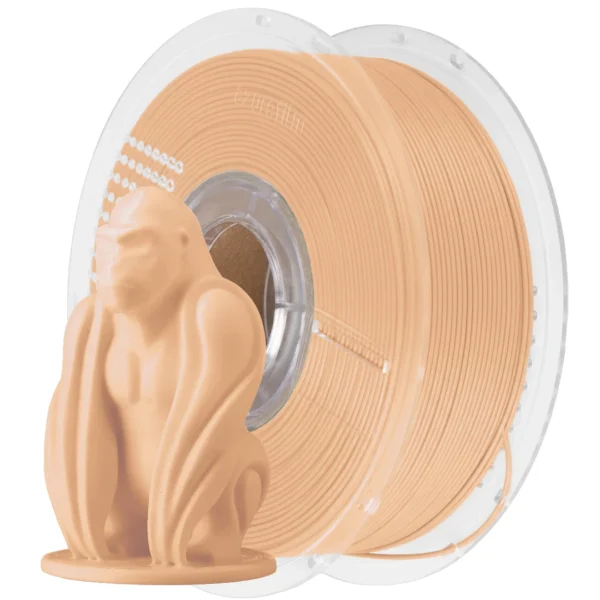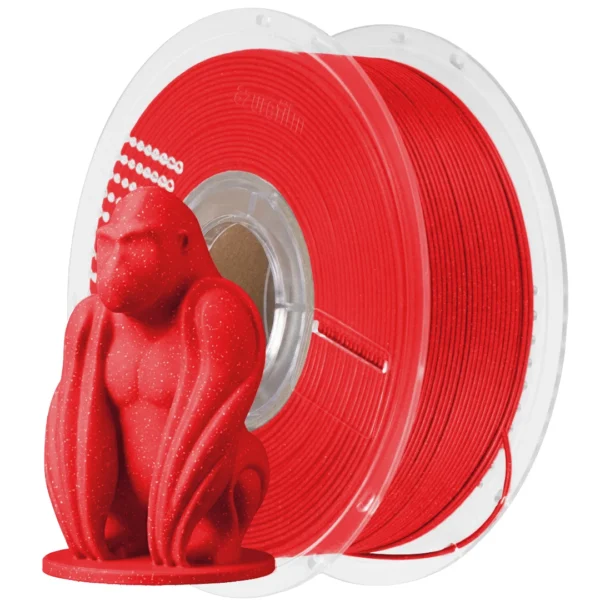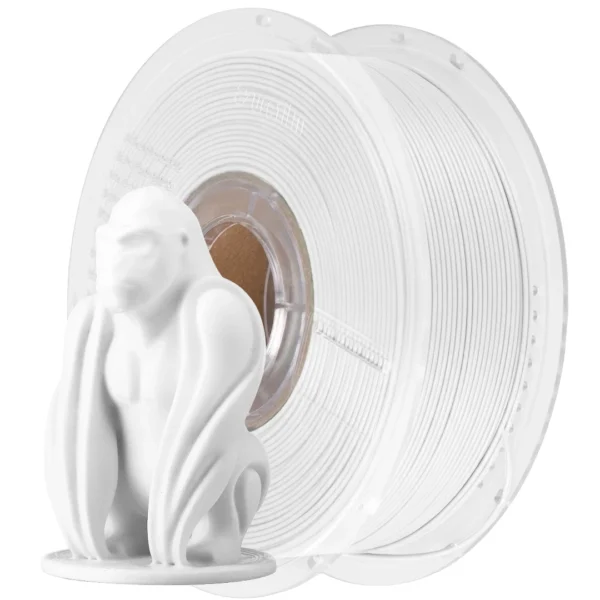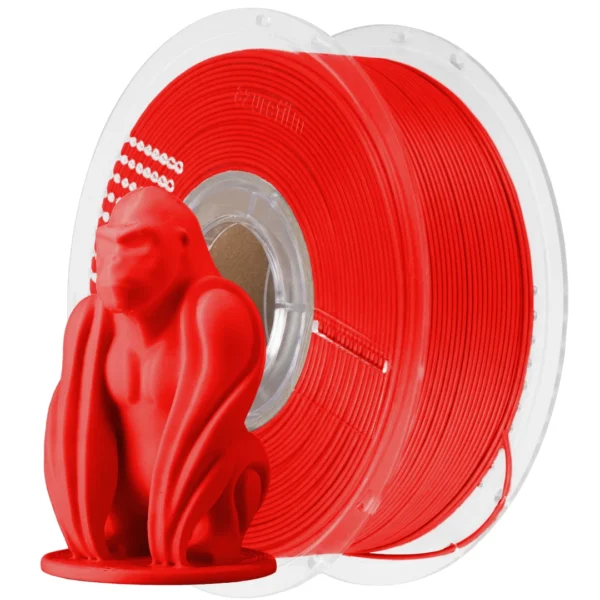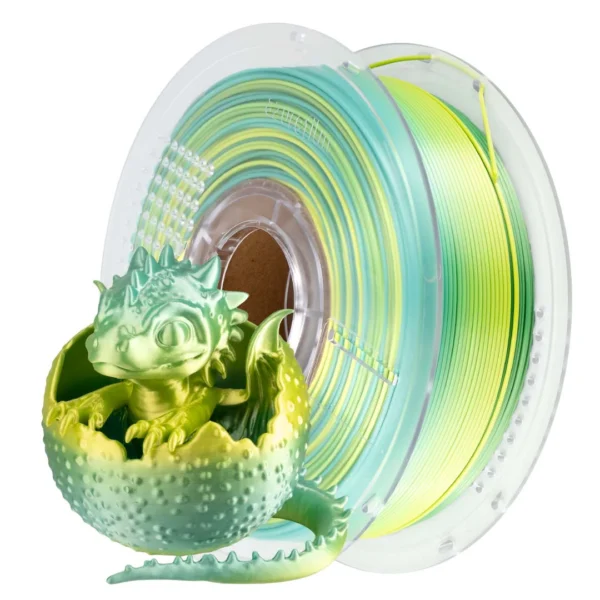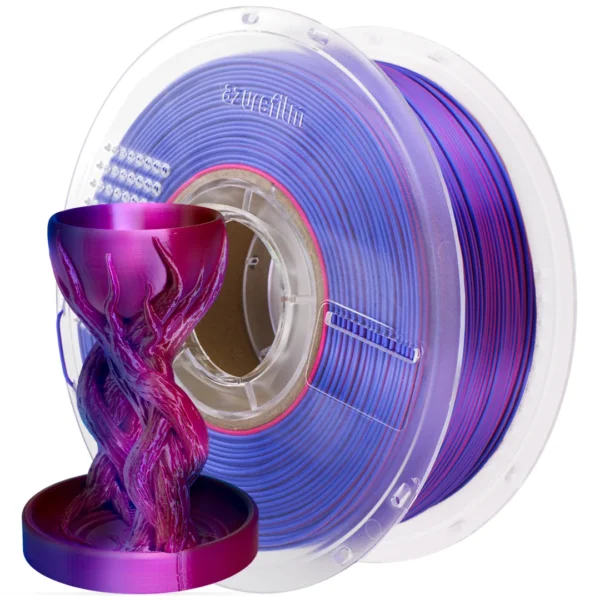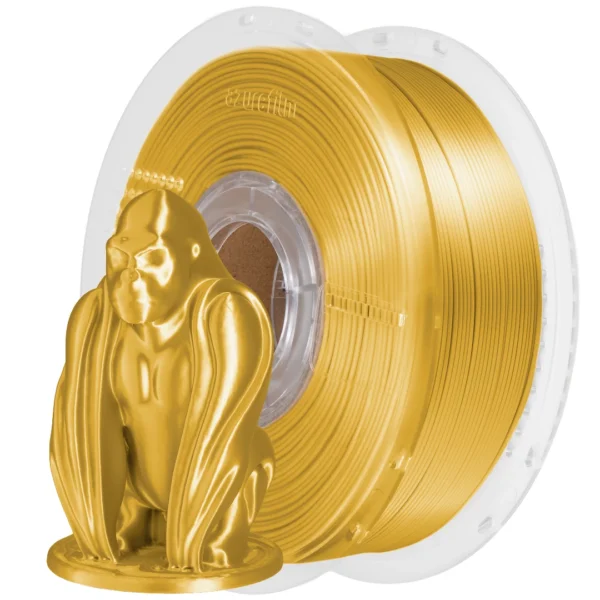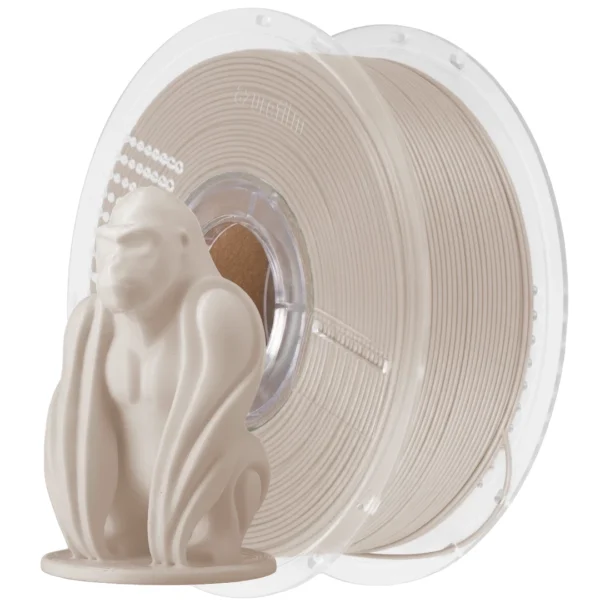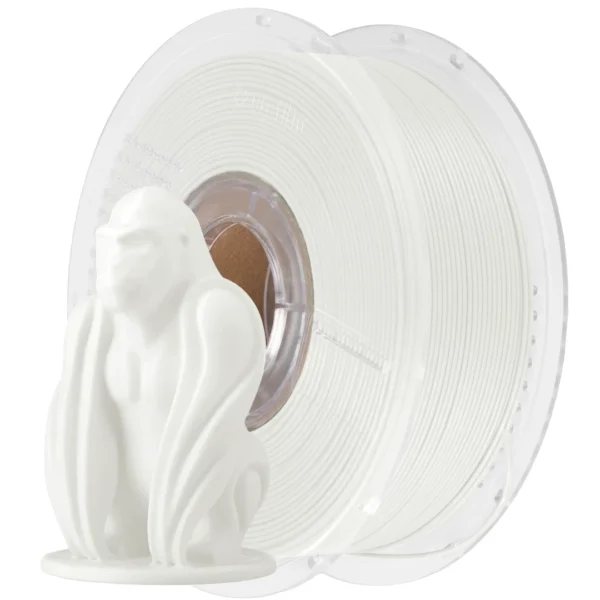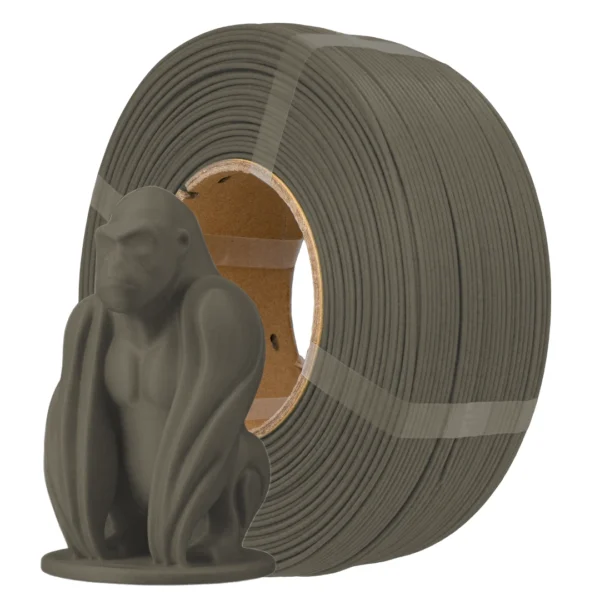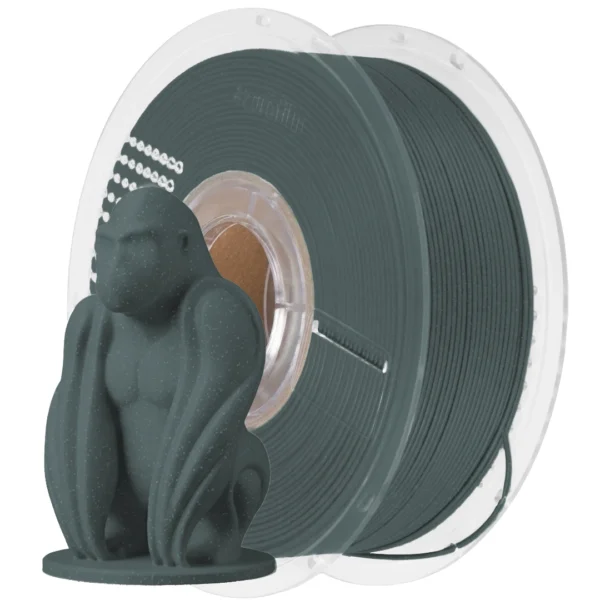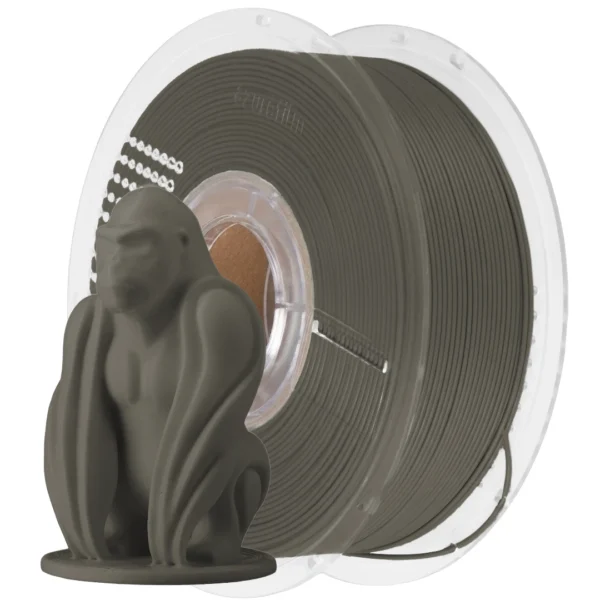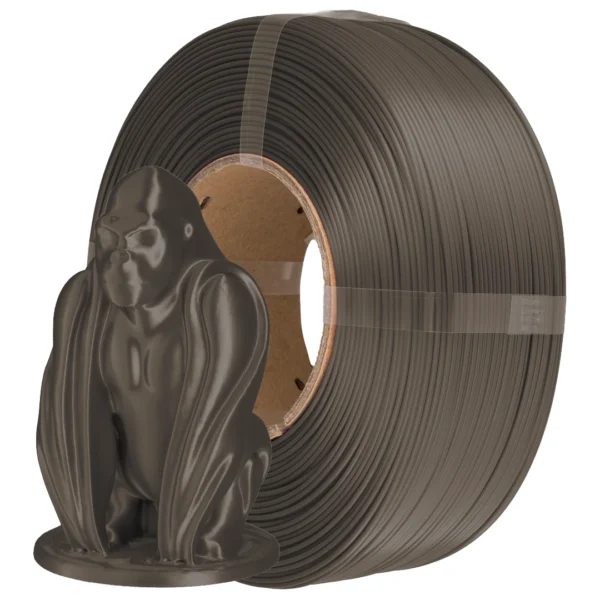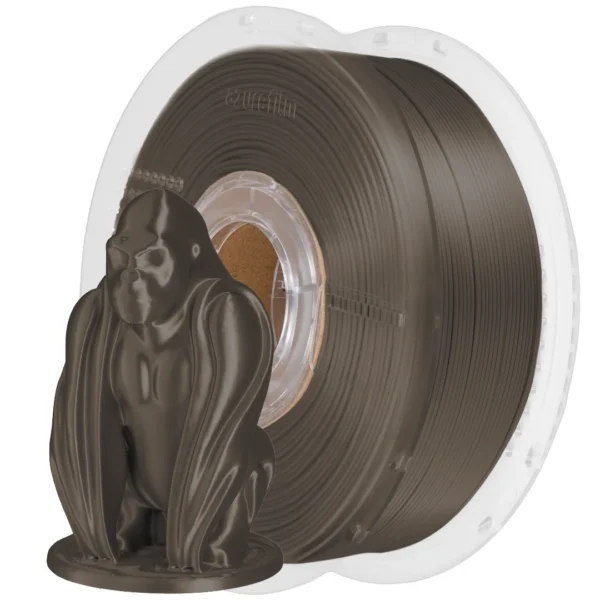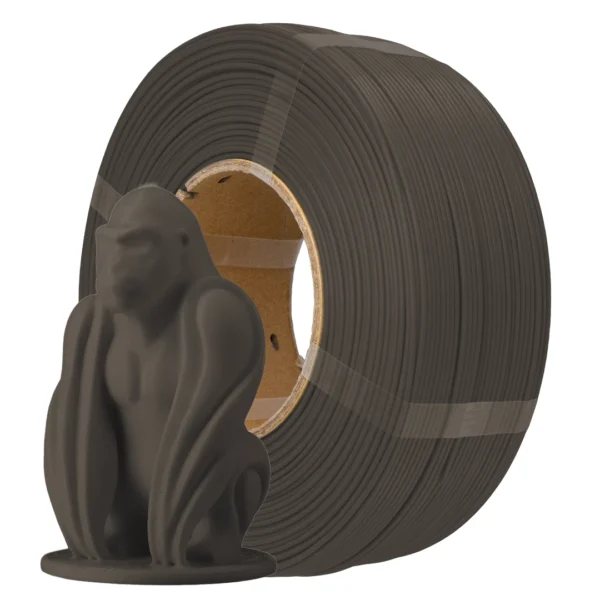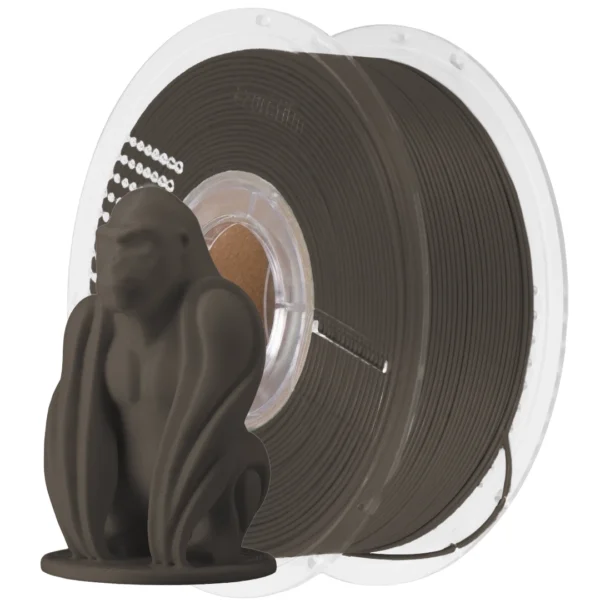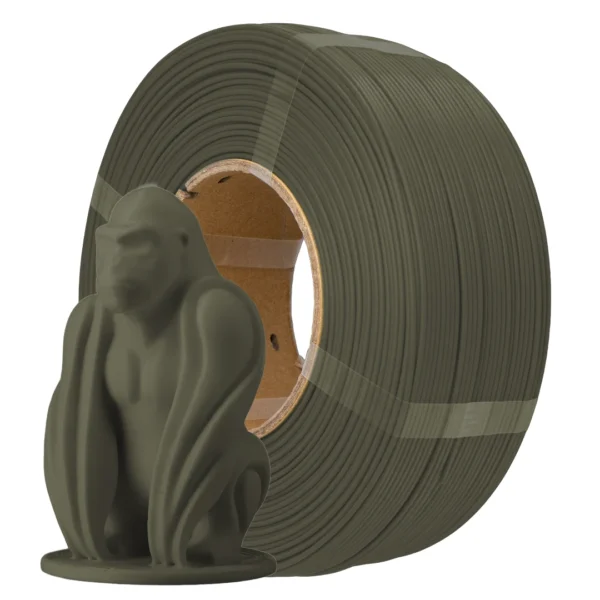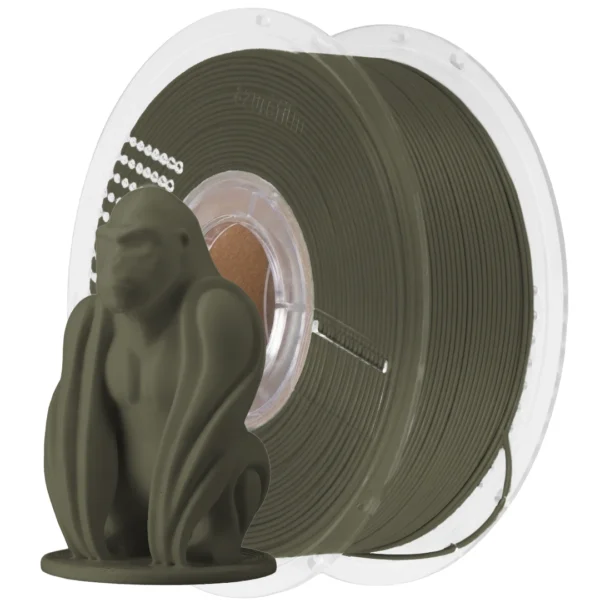
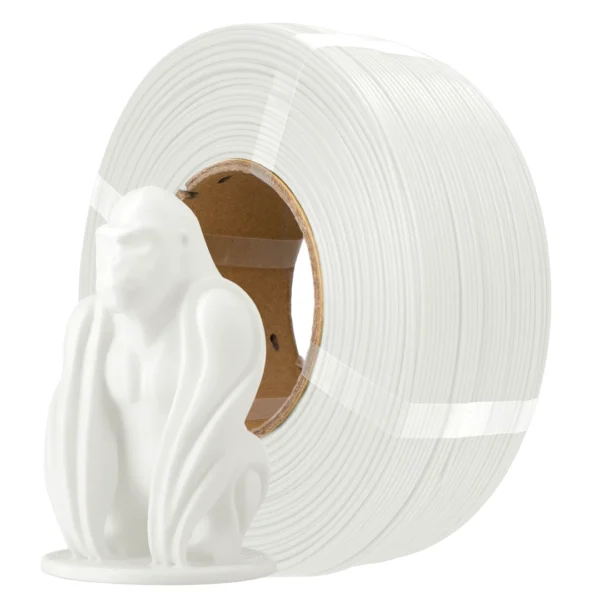
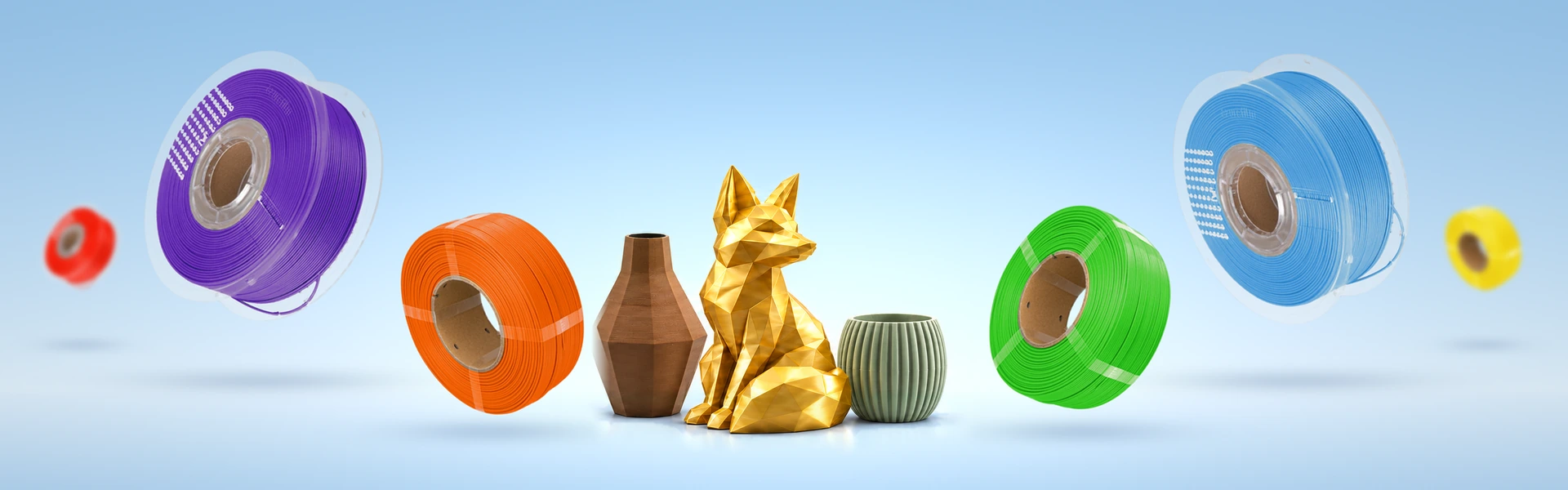
Shop AzureFilm PLA filament for easy, reliable 3D printing. Choose from classic colours, matte, silk, multicolour, transparent, wood and other PLA finishes for prototypes, models, decorations and everyday projects.
Effect
Level
Materials
Type
Color




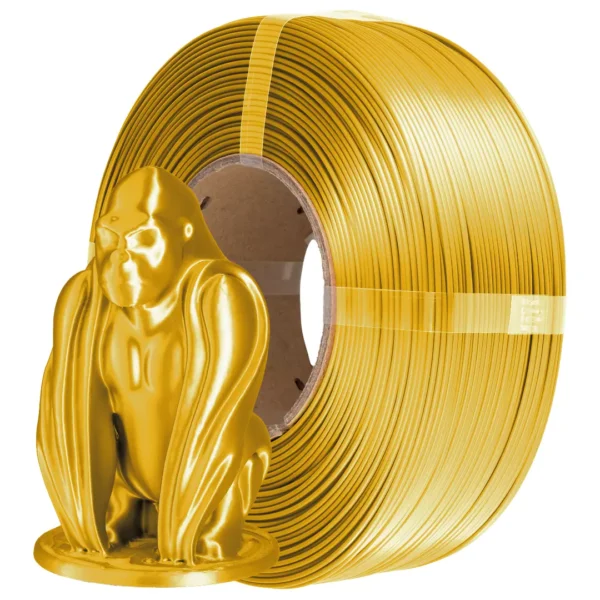

























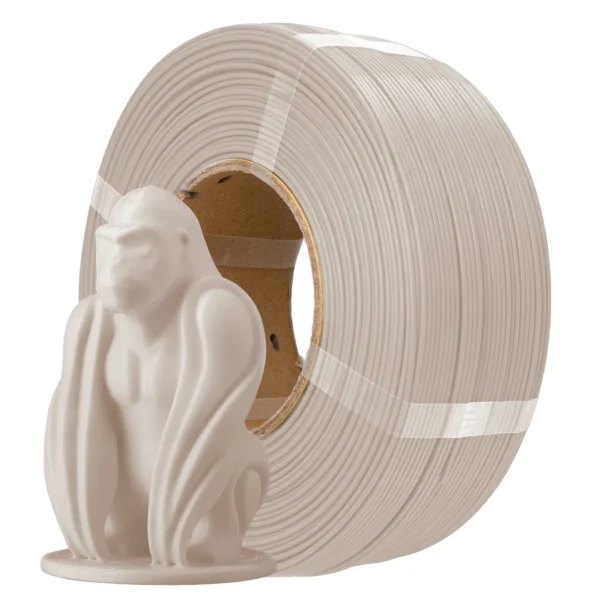
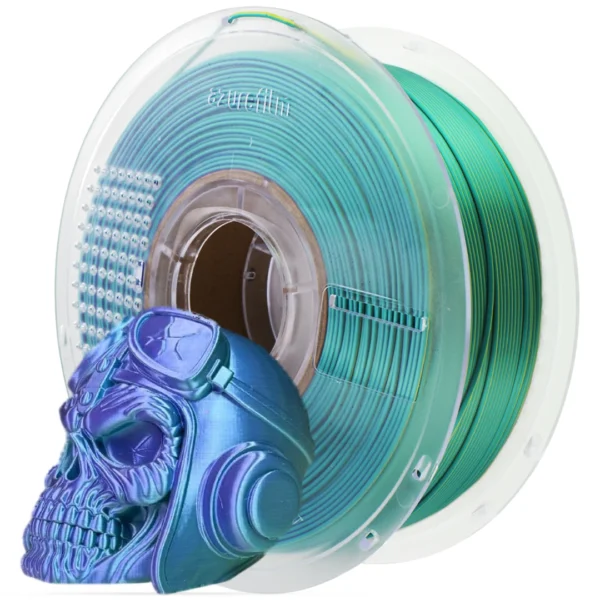




PLA filament (polylactic acid) is one of the most widely used materials for FDM and FFF 3D printing. It is valued for its easy printability, low warping tendency and clean surface finish, which makes it a practical choice for beginners as well as experienced makers. PLA is produced from renewable, plant-derived feedstocks and is often described as a bio-based thermoplastic. Under suitable industrial composting conditions, certain PLA materials can biodegrade; however, standard PLA prints should not be treated as home-compostable waste.

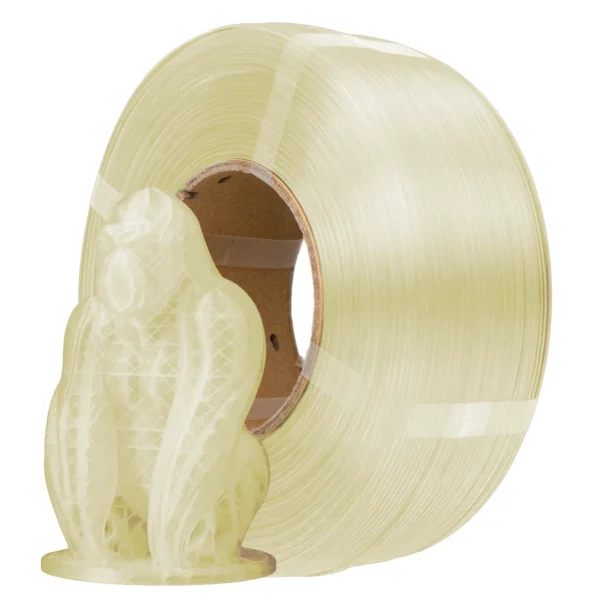
For everyday 3D printing, PLA offers an excellent balance of dimensional accuracy, detail and ease of use. It normally prints without an enclosed chamber and can often be used with little or no bed heating, depending on the printer and build surface. Because it is comparatively rigid and stable during printing, PLA is especially useful when visual quality and precise geometry are more important than high heat resistance or long-term outdoor durability.
PLA 3D printer filament is a versatile material for decorative models, prototypes, figures, architectural models, organizers, educational projects, display parts and many other low- to medium-load applications. It is also a popular material for rapid prototyping because parts can be produced with good detail while requiring less tuning than many engineering filaments.
The PLA category can cover much more than one appearance or formulation. Different PLA filaments can be developed for specific visual finishes, colours, surface effects, higher printing speeds, improved strength, lightweight parts or other specialised requirements. This makes PLA suitable for users who want one familiar material platform while still having a broad choice of aesthetics and performance.
Typical PLA filament is rigid, dimensionally stable and relatively easy to bridge and overhang when cooling is correctly tuned. It usually produces low odour during printing and works well for detailed models. Its main limitation is temperature resistance: standard PLA can soften or deform in warm environments sooner than engineering materials such as PETG, ASA, ABS or high-temperature composites. PLA is therefore not the best choice for parts that will remain inside hot vehicles, near heat sources or under continuous high mechanical stress.
PLA can also be more brittle than tougher thermoplastics. If a part must withstand repeated impacts, bending, outdoor exposure or aggressive chemicals, another 3D printing filament may be more suitable. The final performance always depends on the specific PLA formulation, print orientation, wall thickness, infill and printing parameters.
PLA is considered beginner-friendly because it has a wide processing window and generally does not require an enclosed 3D printer. A clean and level build plate, correctly calibrated first layer and appropriate cooling are usually the most important factors for consistent results. Exact nozzle and bed temperatures vary by formulation, printer, nozzle size and printing speed, so the settings provided for the specific filament should always take priority over generic values.
For high-speed 3D printing, flow rate and cooling become increasingly important. A printer may be capable of very fast movement, but the filament still needs enough melt flow and cooling capacity to maintain layer quality. For highly detailed parts, slowing down outer walls and small features often produces a cleaner finish.
PLA absorbs moisture from the air over time. Wet filament can cause popping sounds, stringing, inconsistent extrusion, rough surfaces or reduced mechanical quality. Store PLA filament sealed and dry when it is not in use, preferably with desiccant. If printing quality changes after the spool has been exposed to humid air, drying the filament according to the product recommendations can restore more consistent extrusion.
AzureFilm PLA filaments are designed for reliable FDM 3D printing across a wide range of modern printers. The category includes options for everyday printing as well as formulations focused on specific performance or visual results. Instead of limiting PLA to fixed effect-based subtypes, users can choose according to the properties that matter for the project: colour, finish, effect, speed, strength, weight, spool format or other functional requirements.
For the best result, choose a PLA filament that matches the intended use of the part and follow the printing recommendations for that specific formulation. PLA remains one of the most practical starting points for 3D printing and a dependable material for prototypes, models and creative projects where easy printing and clean detail are the priority.
No products in the cart.